Women's multivitamins are specifically formulated to address nutritional gaps that disproportionately affect women. The most important difference is iron: premenopausal women need 18mg of iron daily to compensate for menstrual blood loss, while men and postmenopausal women need only 8mg. Excess iron in men can actually be harmful. Women's formulas also typically include higher folate levels (critical for women of childbearing age to prevent neural tube defects), more calcium and vitamin D for bone density support, and sometimes added biotin or cranberry extract for hair, nail, and urinary tract health. A general multivitamin will cover basic nutritional needs, but a women-specific formula addresses the physiological differences that make women more susceptible to iron deficiency, osteoporosis, and folate-related complications.
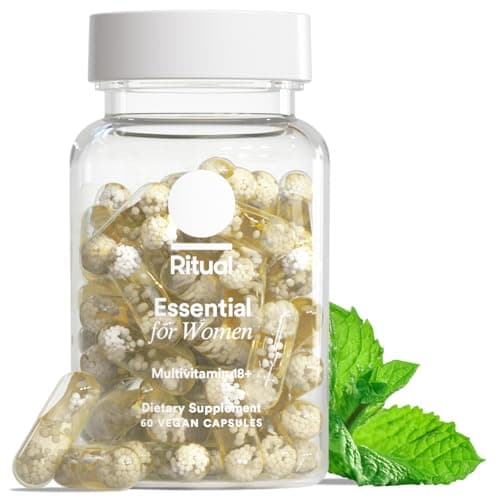
For most women's multivitamins, taking them with food is the better choice — especially if the formula contains iron, which is significantly more likely to cause nausea on an empty stomach. Fat-soluble vitamins (A, D, E, and K) also require dietary fat for optimal absorption, so taking your multivitamin with a meal that includes healthy fats like avocado, nuts, or olive oil can meaningfully improve how much of those nutrients your body actually absorbs. The notable exceptions are products specifically designed for empty-stomach use, like MegaFood's FoodState formulations and Ritual's delayed-release capsules, which use specialized delivery systems to minimize gastric irritation. If your current multivitamin causes stomach discomfort even with food, consider switching to a food-state or fermented formula rather than simply toughing it out — chronic GI discomfort often leads to inconsistent use, which defeats the purpose entirely.
Gummy vitamins can deliver many essential nutrients effectively, but they come with inherent formulation limitations that traditional tablets and capsules do not face. The most significant gap is minerals: iron and calcium cannot be effectively incorporated into gummy formulations in meaningful amounts because they affect taste and texture. This means gummy multivitamins like SmartyPants and Olly leave women relying on diet alone for these critical minerals. Gummies also require added sugar (typically 2-5 grams per serving) and gelatin or pectin for their texture, and they tend to degrade faster than tablets when exposed to heat and humidity. On the positive side, gummy vitamins have been shown to improve compliance dramatically — a vitamin you actually take every day is infinitely more effective than a tablet that sits in your medicine cabinet. If you choose gummies, consider supplementing iron and calcium separately to fill the gaps.
The most reliable way to assess absorption is through blood work. Ask your doctor to test your vitamin D, B12, folate, and iron (ferritin) levels before starting a multivitamin and again after 8-12 weeks of consistent daily use. If levels have improved meaningfully, your body is absorbing the nutrients. Some informal indicators of absorption include a change in urine color to bright yellow (caused by excess riboflavin/B2 being excreted — this is normal and harmless), improved energy levels after 2-4 weeks, and resolution of specific deficiency symptoms like brittle nails, fatigue, or mouth sores. If your blood levels have not improved after three months of consistent use, consider switching to a more bioavailable form — for example, moving from folic acid to methylfolate, or from a standard tablet to a food-state or fermented formulation that may be better absorbed by your individual digestive system.
Yes, but timing and combinations matter. Most women's multivitamins provide a broad nutritional foundation, and targeted supplementation can fill specific gaps. Common additions include extra vitamin D (if your blood levels are below 30 ng/mL), magnesium glycinate (for sleep and muscle recovery), omega-3 fish oil (if your multivitamin does not include EPA/DHA), and probiotics (for gut health). However, avoid doubling up on fat-soluble vitamins A, D, E, and K without medical guidance, as these accumulate in body fat and can reach toxic levels. Also be aware that calcium interferes with iron absorption — if you need both, take them at least two hours apart. A practical approach is to take your multivitamin with breakfast and any additional calcium or magnesium supplements with dinner, spacing out the nutrients for optimal absorption and minimal interaction.
The price difference between a $0.07-per-day multivitamin and a $1.10-per-day option reflects differences in ingredient sourcing, nutrient forms, manufacturing processes, and third-party certifications — though it does not always reflect proportional differences in effectiveness. Premium brands like Ritual and Garden of Life invest in traceable supply chains, food-derived or fermented nutrient forms, USDA Organic certification, and extensive third-party testing, all of which add legitimate cost. Budget brands like One A Day and Nature Made use synthetic nutrient forms manufactured at enormous scale, which dramatically reduces per-unit costs while still delivering nutrients that meet labeled potency claims. The honest truth is that a well-formulated $10 multivitamin with USP verification will meet the basic nutritional needs of most healthy women. The premium products justify their cost for women who prioritize organic sourcing, food-state nutrients, methylated B-vitamins, digestive gentleness, or specific certifications — but paying more does not automatically mean absorbing more.

 1/5
1/5


