The concentration of aromatic compounds directly determines how long your perfume lasts. Eau de Parfum (EDP) contains 15-20% fragrance oils and typically lasts 6-10 hours, making it the sweet spot for most women. Eau de Toilette (EDT) contains 5-15% oils and lasts 3-6 hours — fine for casual daytime wear but often requires reapplication. Parfum and Extrait de Parfum contain 20-40% oils and can last 12+ hours, but come at significantly higher prices. For everyday wear, EDP offers the best balance of longevity, sillage, and value. If you find yourself reapplying before lunch, step up from EDT to EDP rather than spraying more — two sprays of a higher concentration will outperform six sprays of a lower one.
Perfumes are broadly categorized into floral, oriental/gourmand, woody, and fresh families, and understanding which families resonate with your body chemistry is more important than following trends. Your skin's pH, oil production, and even diet affect how a fragrance develops after application — the same perfume can smell noticeably different on two people. Floral fragrances (rose, jasmine, peony) tend to be universally flattering and safe for beginners. Gourmand fragrances (vanilla, caramel, praline) project warmth and comfort but can become cloying in heat. Woody fragrances (sandalwood, cedar, vetiver) add sophistication and tend to last longest. Fresh fragrances (citrus, green tea, aquatic notes) are light and energizing but fade fastest. Always test a fragrance on your own skin for at least four hours before purchasing — paper strip tests at a counter reveal only the top notes, which account for less than 20% of your wearing experience.
Temperature and setting should guide your fragrance selection more than personal preference alone. Heat amplifies fragrance molecules, which means a perfume that smells beautifully balanced in a cool department store can become overwhelming on a 90-degree summer day. As a general rule, lighter, fresher fragrances with citrus and green notes perform best in spring and summer, while richer, warmer fragrances with amber, vanilla, and oud shine in fall and winter. For office wear, choose moderate-sillage fragrances that stay within arm's reach — your colleagues should only smell your perfume when they lean in, not when you walk past their desk. For evening events and date nights, you can afford stronger projection and more complex compositions that reward close encounters.
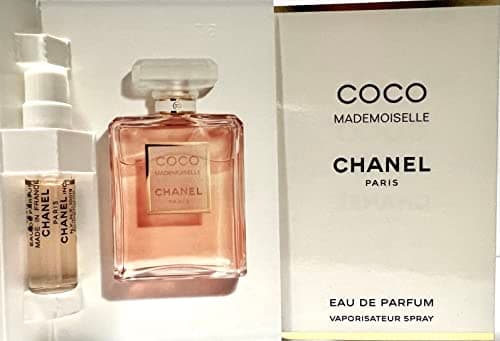
Sillage — the scent trail your perfume leaves as you move through a space — is a critical consideration that many buyers overlook. Heavy-sillage fragrances like Baccarat Rouge 540 and Flowerbomb project several feet from the body and are noticed by everyone in your vicinity, which is ideal for social events but potentially inappropriate for professional settings. Moderate-sillage fragrances like Coco Mademoiselle and La Vie Est Belle create a pleasant aura within conversational distance — the 'someone complimented my perfume' sweet spot. Skin scents like Sol de Janeiro Cheirosa '62 stay very close to the body and are primarily enjoyed by the wearer and those in intimate proximity. None of these projection levels is inherently better — the right choice depends entirely on where and how you intend to wear the fragrance.
Counterfeit perfumes are a significant problem on online marketplaces, and luxury fragrances are among the most frequently counterfeited products on Amazon. To protect yourself, purchase only from sellers with 'Ships from and sold by Amazon.com' or from the brand's official Amazon storefront. Check seller ratings carefully — legitimate fragrance sellers maintain 95%+ positive feedback over thousands of transactions. Be wary of prices that are dramatically below retail (a Chanel perfume at 40% off is almost certainly fake) and examine batch codes upon arrival. Legitimate fragrances will have matching batch codes on both the box and the bottle, and you can verify these through free batch-checking websites. When in doubt, purchasing directly from Sephora, Nordstrom, or the brand's official website eliminates authenticity concerns entirely, even if the price is slightly higher.
Proper storage can extend your perfume's shelf life from 2-3 years to 5+ years, protecting your investment significantly. The three enemies of fragrance are heat, light, and oxygen. Store your perfumes upright in a cool, dark place — a bedroom closet or dresser drawer is ideal. Avoid the bathroom, where temperature and humidity fluctuate dramatically with every shower. Never display fragrances on a windowsill where direct sunlight accelerates the breakdown of aromatic compounds. Keep the cap on when not in use to minimize oxygen exposure. Darker-colored bottles (amber, black) inherently protect against light better than clear glass. If you notice your perfume's color has darkened significantly or the scent has developed a sharp, vinegar-like quality, it has oxidized and should be replaced.

 1/5
1/5


