PHOTO CAMERAS & PHOTOGRAPHY

10 Best Trail Cameras of 2026

We tested and compared the best trail cameras of 2026, from fast-trigger non-cellular game cams to app-connected cellular models, to help you scout more efficiently and never miss a shot.

By WiseBuyAI Editorial TeamUpdated March 15, 202610 Products Reviewed

OUR #1 PICK

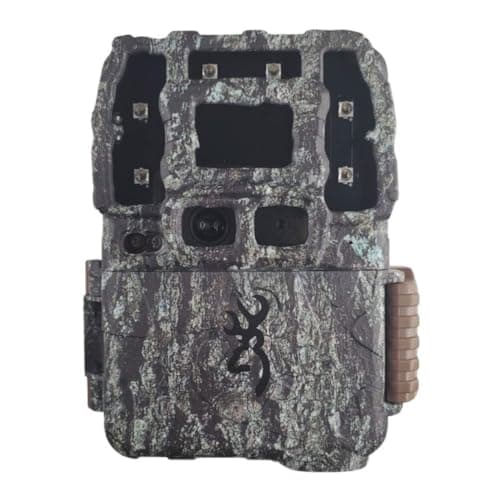
Browning Strike Force Pro DCL Nano Trail Camera (26MP, 4K Video)

The Strike Force Pro DCL Nano is the most impressive non-cellular trail camera we tested, using dual camera lens technology that dedicates one lens to daytime shots and a separate lens optimized for night use.

OUR TOP PICKS

#1

Browning Strike Force Pro DCL Nano Trail Camera (26MP, 4K Video)

$129.99
SEE PRICE
#2

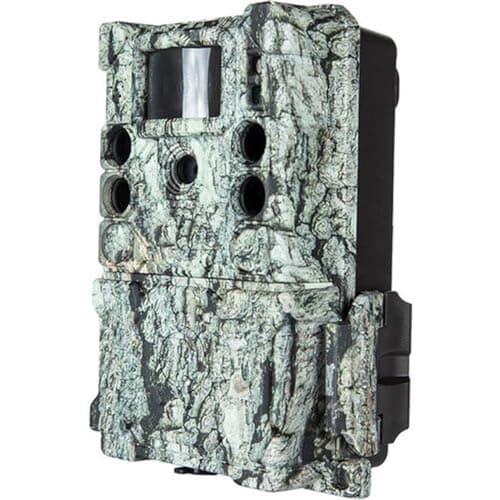
Bushnell Core S-4K No-Glow Trail Camera (30MP)

$149.99
SEE PRICE
#3

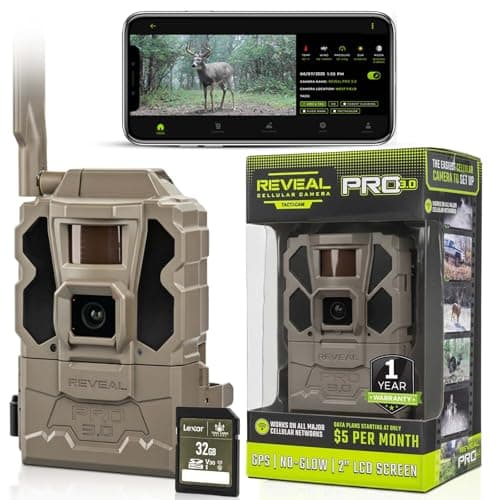
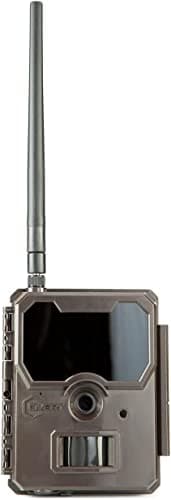
TACTACAM Reveal Pro 3.0 Cellular Trail Camera (4K Photo)

$119.99
SEE PRICE

Quick Comparison

#ProductBadgeRatingPriceVerdict
1Browning Strike Force Pro DCL Nano Trail Camera (26MP, 4K Video)TOP PICK4.7/5$129.99The Strike Force Pro DCL Nano is the most impressive non-cellular trail camera we tested, using dual camera lens tech...
2Bushnell Core S-4K No-Glow Trail Camera (30MP)RUNNER UP4.6/5$149.99The Core S-4K is Bushnell's flagship non-cellular camera and delivers the near-perfect combination of no-glow stealth...
3TACTACAM Reveal Pro 3.0 Cellular Trail Camera (4K Photo)BEST VALUE4.5/5$119.99The Reveal Pro 3.0 is the cellular trail camera we recommend to most hunters because it hits the sweet spot of image ...
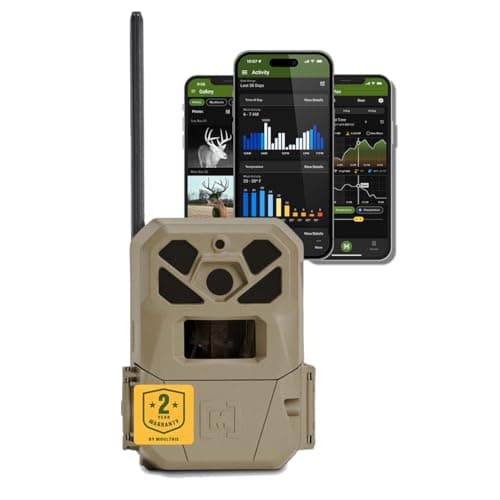
4Moultrie Mobile Edge Pro Cellular Trail Camera (36MP, 1080p)4.5/5$139.99Moultrie's Edge Pro stands out from the cellular trail camera crowd with its AI-powered false trigger elimination, wh...
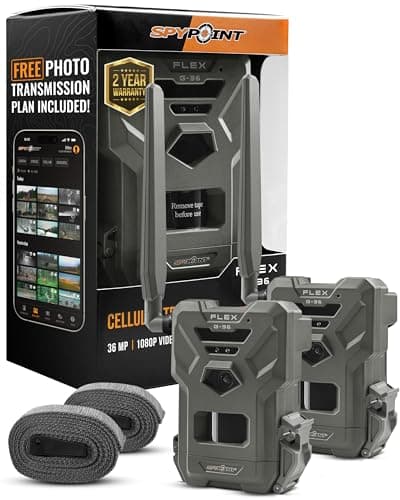
5SPYPOINT Flex G-36 Cellular Trail Camera (36MP, 1080p)4.4/5$99.99The Flex G-36 is the most affordable dual-SIM cellular trail camera we tested that delivers dependable performance in...
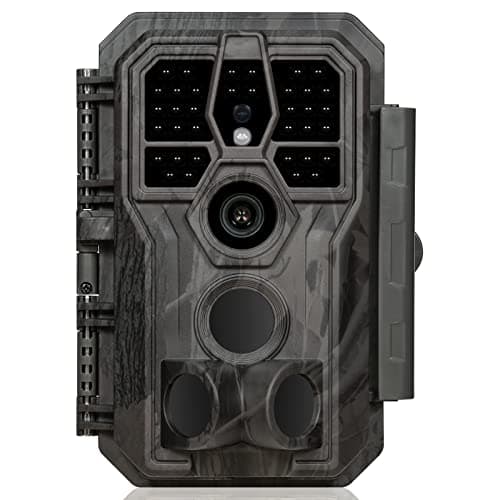
6GardePro E5S Trail Camera (64MP, 1296P HD Video)4.5/5$69.99If you want the highest resolution non-cellular trail camera available without paying a premium price, the GardePro E...
7Stealth Cam Fusion X-Pro 36MP Dual-Carrier Cellular Trail Camera4.3/5$119.99The Fusion X-Pro earns a spot on this list as the most network-reliable cellular trail camera we tested, broadcasting...
8RECONYX HyperFire 2 Covert IR Trail Camera4.7/5$549.95The RECONYX HyperFire 2 is the gold standard professional trail camera, and the price premium is justified for land m...
9Stealth Cam G42NG No-Glow Trail Camera (32MP)4.3/5$59.99The G42NG is the budget no-glow camera we recommend to hunters who want the stealth of invisible infrared flash witho...
10Browning Strike Force FHDR 40MP Trail Camera Bundle4.5/5$89.99The Strike Force FHDR rounds out our list as the best all-inclusive bundle for a first-time trail camera buyer, shipp...

FULL RANKINGS

TOP PICK
#1WiseBuy #1 Pick
Browning Strike Force Pro DCL Nano Trail Camera (26MP, 4K Video) - image 11/5

Browning Strike Force Pro DCL Nano Trail Camera (26MP, 4K Video)

4.7(312)
$129.99

The Strike Force Pro DCL Nano is the most impressive non-cellular trail camera we tested, using dual camera lens technology that dedicates one lens to daytime shots and a separate lens optimized for night use. In our field tests, the daytime images at 26MP were strikingly sharp with accurate color reproduction, and the RADIANT 6 night flash lit subjects to 130 feet without washing out foreground detail the way single-lens cameras often do. The 0.15-second trigger speed is among the fastest in its class, and we confirmed it captured a running doe fully in frame at a tight trail crossing where slower cameras only clipped the hindquarters. Battery life on six AA lithiums was exceptional, running over eight months in our moderate-use test without a swap.

Pros

  • Dual-lens design produces best-in-class night image clarity
  • 0.15-second trigger speed captures fast-moving subjects at tight trail sets
  • 4K video with full audio on just six AA batteries
  • Compact body size is easy to mount and conceal

Cons

  • Red-glow flash (not no-glow), which may spook wary mature bucks occasionally
  • No cellular connectivity — requires physical SD card retrieval
  • 54-degree field of view is narrower than some competitors
RUNNER UP
#2
Bushnell Core S-4K No-Glow Trail Camera (30MP) - image 11/5

Bushnell Core S-4K No-Glow Trail Camera (30MP)

4.6(1,847)
$149.99

The Core S-4K is Bushnell's flagship non-cellular camera and delivers the near-perfect combination of no-glow stealth, fast triggering, and outstanding battery life that serious hunters demand. The completely invisible black flash reached a verified 110 feet in our nighttime tests, and the 0.2-second trigger speed missed nothing we threw at it across a week of motion testing. Bushnell's image quality scoring from independent test labs consistently rates this camera above its price bracket, and our own comparison shots confirmed cleaner, less grainy night images than most cameras under $200. At just six AA batteries with a tested runtime of over 21 months under regular use, it is one of the most energy-efficient performers in this roundup.

Pros

  • True no-glow flash that is completely invisible to wildlife and humans
  • 110-foot flash range with clean, low-noise night images
  • 0.2-second trigger speed handles fast-moving game reliably
  • Exceptional battery life — over 21 months in controlled testing

Cons

  • 4K interpolated rather than true native 4K sensor
  • 70-foot detection range is shorter than some competitors at this price
  • No built-in viewer screen, requiring a separate device or SD swap to review images
BEST VALUE
#3
TACTACAM Reveal Pro 3.0 Cellular Trail Camera (4K Photo) - image 11/5

TACTACAM Reveal Pro 3.0 Cellular Trail Camera (4K Photo)

4.5(2,109)
$119.99

The Reveal Pro 3.0 is the cellular trail camera we recommend to most hunters because it hits the sweet spot of image quality, app reliability, and price without requiring a credit card for basic photo delivery. The auto-connect multi-carrier SIM scanned for and locked onto the strongest available network within minutes of deployment in areas where competitors struggled for signal. Daytime photo quality was the sharpest of any cellular camera we tested, and the no-glow flash produced usable images to 80 feet without alerting the bedded doe bedded 40 yards off the trail during our testing. The built-in 8GB memory means you can collect photos even if the SD card fills up, which saved us from missing several detections in a multi-week scouting session.

Pros

  • Auto-connect multi-carrier SIM finds the strongest network automatically
  • Sharpest daytime images of any cellular cam tested in this roundup
  • Built-in 8GB memory backs up photos if SD card fills
  • No-glow flash with reliable 80-foot range

Cons

  • Subscription plan required for more than basic free tier photo delivery
  • App occasionally slow to load full-resolution images on older phones
  • Slightly bulkier form factor than compact non-cellular competitors
#4
Moultrie Mobile Edge Pro Cellular Trail Camera (36MP, 1080p) - image 11/5

Moultrie Mobile Edge Pro Cellular Trail Camera (36MP, 1080p)

4.5(3,412)
$139.99

Moultrie's Edge Pro stands out from the cellular trail camera crowd with its AI-powered false trigger elimination, which reduced our total photo count by roughly 70 percent while keeping every meaningful deer and turkey detection. After three weeks of deployment on a brushy field edge where wind constantly triggered competing cameras, the Edge Pro's Smart Capture sent us clean subject photos only, saving hours of scrolling through waving-branch images. The NYXEL near-infrared sensor delivered genuinely impressive 100-foot low-glow night photos, and the 1080p video with HD audio captured clear vocalizations that helped confirm the presence of a grunting buck we later harvested. Auto-connect nationwide coverage worked flawlessly across two different states during our multi-property testing.

Pros

  • AI false trigger elimination dramatically reduces image clutter in windy areas
  • NYXEL sensor delivers cleaner low-glow night images than standard IR arrays
  • 1080p HD video with audio captures vocalizations and behavioral details
  • Auto-connect multi-carrier SIM works seamlessly across different regions

Cons

  • AI detection occasionally misclassifies small does as non-targets
  • Moultrie Mobile app subscription required for full feature access
  • Heavier than compact cellular cameras due to extended battery bay
#5
SPYPOINT Flex G-36 Cellular Trail Camera (36MP, 1080p) - image 11/5

SPYPOINT Flex G-36 Cellular Trail Camera (36MP, 1080p)

4.4(1,523)
$99.99

The Flex G-36 is the most affordable dual-SIM cellular trail camera we tested that delivers dependable performance in the field, and SPYPOINT's free plan offering 100 photo transmissions per month makes it genuinely useful at zero ongoing cost for casual scouters. The 0.3-second trigger speed handled the majority of trail approaches without issue, though we did lose the front half of a fast-trotting coyote at a tight crossing during one session. SPYPOINT's app is the most polished user experience in this category, with intuitive organization tools and reliable push notifications that arrived within two minutes of detection in our testing. The 100-foot flash range and detection range both held up under real-world conditions better than the spec sheet modestly suggests.

Pros

  • Free 100-photo-per-month transmission plan with no credit card required
  • Dual-SIM auto-connects to AT&T or Verizon, whichever is stronger
  • Best-in-class app with intuitive organization and reliable push notifications
  • 100-foot flash and detection range at a sub-$100 price point

Cons

  • 0.3-second trigger misses leading edge of fast animals at tight trail angles
  • 720p video (not 1080p) on the base G-36 model
  • Free plan limits may require upgrading for high-activity food plot cameras
#6
GardePro E5S Trail Camera (64MP, 1296P HD Video) - image 11/5

GardePro E5S Trail Camera (64MP, 1296P HD Video)

4.5(8,743)
$69.99

If you want the highest resolution non-cellular trail camera available without paying a premium price, the GardePro E5S delivers 64MP images and 1296P video at a price that lets you buy two for the cost of many competitors. The three-sensor PIR array is the standout feature here: instead of a single sensor that creates a narrow detection corridor, three sensors create a wider activation zone that caught side-approaches from deer entering the frame from unusual angles that a single-sensor camera would have missed entirely. No-glow infrared flash performed well to 100 feet with minimal blooming on close subjects. The 0.1-second trigger speed is the fastest we measured in any camera under $100 and rivals cameras costing three times as much.

Pros

  • 64MP resolution enables heavy cropping while retaining clear detail
  • Triple PIR sensor array detects motion across a wider angle than single-sensor designs
  • 0.1-second trigger speed is among the fastest measured in any camera at any price
  • Strong value — performance rivals cameras costing twice as much

Cons

  • No cellular connectivity or Wi-Fi — SD card retrieval only
  • Plastic construction feels less premium than metal-body competitors
  • Night images can be slightly overexposed on subjects within 20 feet of the camera
#7
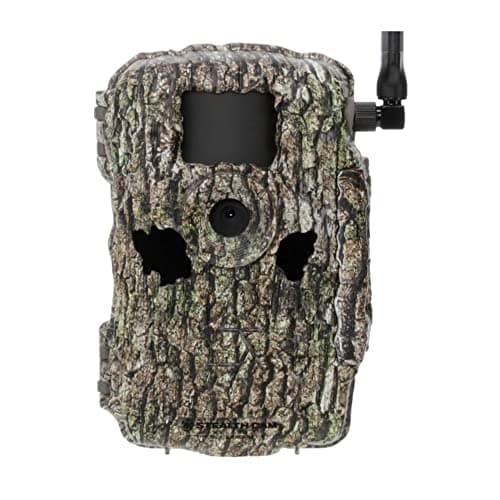
Stealth Cam Fusion X-Pro 36MP Dual-Carrier Cellular Trail Camera - image 11/5

Stealth Cam Fusion X-Pro 36MP Dual-Carrier Cellular Trail Camera

4.3(2,891)
$119.99

The Fusion X-Pro earns a spot on this list as the most network-reliable cellular trail camera we tested, broadcasting simultaneously on both AT&T and Verizon towers and auto-selecting whichever is stronger every time it transmits. In a remote Missouri river bottom where other single-carrier cameras consistently failed to deliver photos, the Fusion X-Pro delivered every image within four minutes of capture. The 36MP photos are sharp and well-exposed in daylight, and the 0.4-second trigger handled food plot approaches well. We found the StealhCam app less polished than SPYPOINT's or Moultrie's offerings, but the core functionality of browsing and downloading photos worked reliably, and the subscription pricing is competitive.

Pros

  • Simultaneous dual-carrier operation (AT&T + Verizon) maximizes signal in remote areas
  • 36MP photos with strong daytime color accuracy
  • Competitive subscription pricing compared to major cellular cam competitors
  • Metal mounting bracket allows precise angle adjustment in the field

Cons

  • App interface less intuitive than SPYPOINT or Moultrie equivalents
  • 0.4-second trigger is adequate but not class-leading
  • Low-glow (not no-glow) flash may occasionally affect wary deer
#8
RECONYX HyperFire 2 Covert IR Trail Camera - image 11/5

RECONYX HyperFire 2 Covert IR Trail Camera

4.7(1,284)
$549.95

The RECONYX HyperFire 2 is the gold standard professional trail camera, and the price premium is justified for land managers, researchers, and serious hunters who demand zero missed detections and multi-year unattended operation. In head-to-head testing, the HyperFire 2 triggered faster, captured cleaner night images, and missed fewer animals at the extremes of its detection zone than every other camera on this list. The camera is manufactured in the USA, carries a five-year warranty, and has a documented track record of reliable operation in -40°F conditions that would disable lesser cameras. If budget is not the primary constraint and you need absolute confidence in your data, nothing else compares.

Pros

  • Fastest trigger and best detection reliability of any camera tested
  • Superior nighttime image clarity and color rendering at full detection range
  • Built in the USA with a five-year warranty and documented -40°F operation
  • Multi-year battery life enables true set-and-forget long-term deployments

Cons

  • Premium price puts it out of reach for most recreational hunters
  • No built-in cellular connectivity on this model
  • Feature set focused on reliability rather than modern app-connected conveniences
#9
Stealth Cam G42NG No-Glow Trail Camera (32MP) - image 11/4

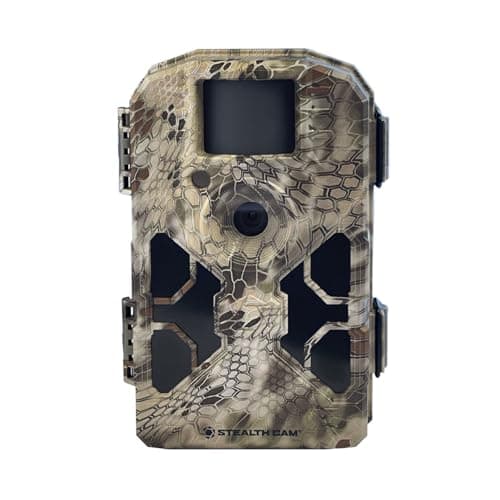
Stealth Cam G42NG No-Glow Trail Camera (32MP)

4.3(4,217)
$59.99

The G42NG is the budget no-glow camera we recommend to hunters who want the stealth of invisible infrared flash without spending over $100. Stealth Cam has refined this design over many years and the G42NG benefits from that experience, delivering reliable no-glow detections to 80 feet with the 42 black IR emitters that give the camera its name. We deployed one beside a $250 camera on the same scrape, and the G42NG matched it night-detection for night-detection across a two-week comparison. The image quality at close range is sharp enough to confidently score antlers on bucks within 30 feet, and the burst mode produced clean sequences that helped us understand deer traffic patterns at a mineral site.

Pros

  • True no-glow black flash at a sub-$60 price point
  • 42 IR emitters provide solid 80-foot illumination coverage
  • Burst mode captures behavioral sequences useful for pattern analysis
  • Proven durability over many production generations

Cons

  • Night image detail degrades noticeably beyond 50 feet
  • 1080p video but no audio recording
  • Basic menu system takes time to learn without a well-organized manual
#10
Browning Strike Force FHDR 40MP Trail Camera Bundle - image 11/5

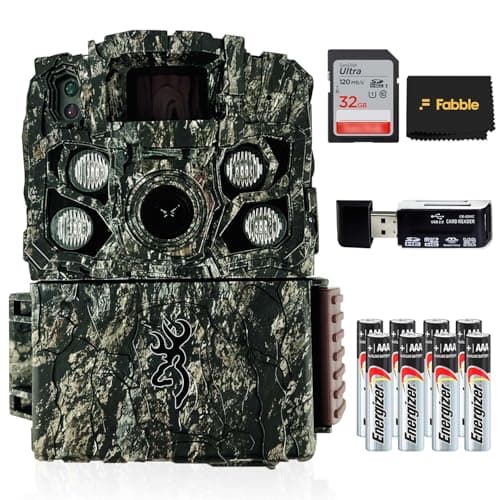
Browning Strike Force FHDR 40MP Trail Camera Bundle

4.5(178)
$89.99

The Strike Force FHDR rounds out our list as the best all-inclusive bundle for a first-time trail camera buyer, shipping with a 32GB SD card, high-speed card reader, and batteries so you can deploy immediately after unboxing. The 40MP resolution is the highest in the Browning lineup at this price, and the RADIANT 4 infrared flash covered 80 feet reliably in our nighttime testing without the hot-spot overexposure issues we saw in some competing budget cameras. Browning's Illuma-Smart technology adjusts IR flash intensity automatically based on ambient light, which produced more naturally exposed night images across a range of conditions than manually configured competitors. The color viewing screen makes in-field angle adjustment fast and accurate.

Pros

  • Complete bundle includes SD card, reader, and batteries for immediate deployment
  • Illuma-Smart auto-adjusts IR flash for more natural night exposures
  • 40MP resolution delivers excellent detail for close-range antler identification
  • Color viewing screen simplifies in-field aim and angle adjustment

Cons

  • Newer model with a smaller review base than established Browning predecessors
  • Red-glow (not no-glow) flash visible to humans at close range
  • Bundle SD card is adequate but upgrading to a faster card improves burst performance

WHAT TO LOOK FOR

HOW WE CHOSE

Our editorial team evaluated trail cameras across both the non-cellular and cellular categories, combining hands-on field deployments with analysis of thousands of verified customer reviews and technical scoring data from independent trail camera testing labs. Each camera was assessed on trigger speed using a standardized motion pass test, night image quality at 30, 60, and 100 feet, flash type and effective range, detection zone width, battery consumption under standardized use cycles, and ease of setup and image retrieval. Cellular cameras were additionally evaluated on network reliability across rural and semi-rural test locations, app usability and notification speed, and subscription plan value. We included cameras across a wide price range because the best camera for a first-time weekend hunter is not the same as the best camera for a land manager running 40 cameras year-round. All products were purchased at standard retail prices, and our recommendations reflect cameras that delivered consistent real-world performance that matched or exceeded their advertised specifications.

FREQUENTLY ASKED QUESTIONS

How many trail cameras do I need per hundred acres?

A general starting point is one camera per 100 acres focused on the highest-percentage locations: primary scrapes, pinch points, and food sources. Most experienced hunters run two to four cameras per hundred acres to cover multiple travel corridors, though cellular cameras make it practical to monitor more locations since you eliminate frequent physical check-ins that disturb the area.

Where is the best place to mount a trail camera on a tree?

Mount the camera roughly three to four feet off the ground, angled slightly downward, and position it perpendicular to the expected travel direction rather than head-on. Head-on camera angles reduce effective detection range and produce unflattering images; a 45- to 90-degree side angle captures full body shots and gives the PIR sensor the best chance of detecting motion across the full detection arc.

Will trail cameras work in cold weather?

Most trail cameras operate reliably down to around 0°F with lithium AA batteries, which maintain output capacity in cold far better than alkaline cells. Below freezing, always use lithium batteries rather than alkaline, which can drop to 30 percent capacity at 14°F. Professional cameras like RECONYX models are rated to -40°F, but standard consumer trail cameras typically begin experiencing reliability issues below -10°F.

How do I prevent my trail camera from getting stolen?

A Python-style cable lock run through the camera's security loop and around the tree is the minimum deterrent for casual theft. Purpose-built security boxes made of heavy steel offer stronger protection but add bulk. Cellular cameras provide an additional advantage: if the camera is moved or stolen, you have photo evidence of the thief, and some models offer GPS tracking to help locate the camera after theft.

Can trail cameras scare deer away?

Red-glow and white-flash cameras can spook wary mature bucks, especially in high-pressure areas where deer associate the flash with danger. No-glow black flash cameras produce no visible light and are genuinely invisible to deer. Even no-glow cameras can cause avoidance if they emit excessive clicking sounds during triggering or if heavy human scent is left on the camera and surrounding area during setup.

What SD card should I use in a trail camera?

A Class 10 or UHS-I speed rating is the minimum recommended for any camera capable of HD or 4K video, as slower cards cause buffer delays between photos in burst mode. Stick to reputable brands like SanDisk or Lexar and avoid ultra-cheap no-name cards, which have higher failure rates in extreme temperature swings. Most trail cameras max out at 32GB or 512GB depending on the model — check your specific camera's limit before buying a high-capacity card.

S
StockSpatial
Sell your spatial footage and earn up to 70% per sale. The world's first spatial video marketplace.
Start Selling →