PHOTO CAMERAS & PHOTOGRAPHY

10 Best Beginner Cameras in 2026

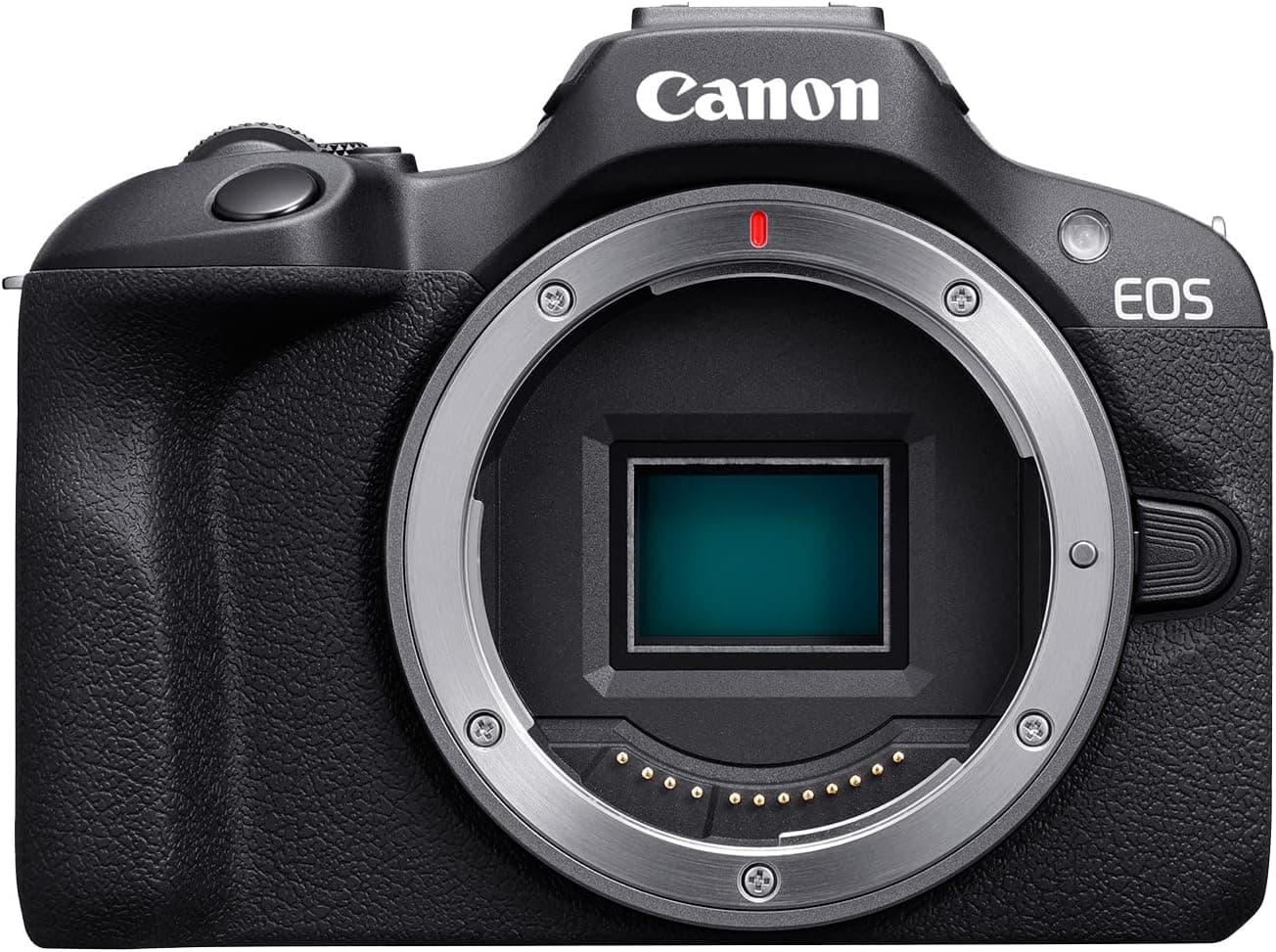
The best beginner camera in 2026 is the Canon EOS R50. From budget-friendly entry-level mirrorless bodies under $500 to enthusiast-grade models with advanced learning features, we tested and ranked the 10 best cameras for beginners in 2026. Whether you are picking up your first interchangeable lens camera or upgrading from a smartphone, these cameras offer the best combination of ease of use, image quality, and room to grow.

By WiseBuyAIUpdated March 19, 202610 Products Reviewed

OUR #1 PICK

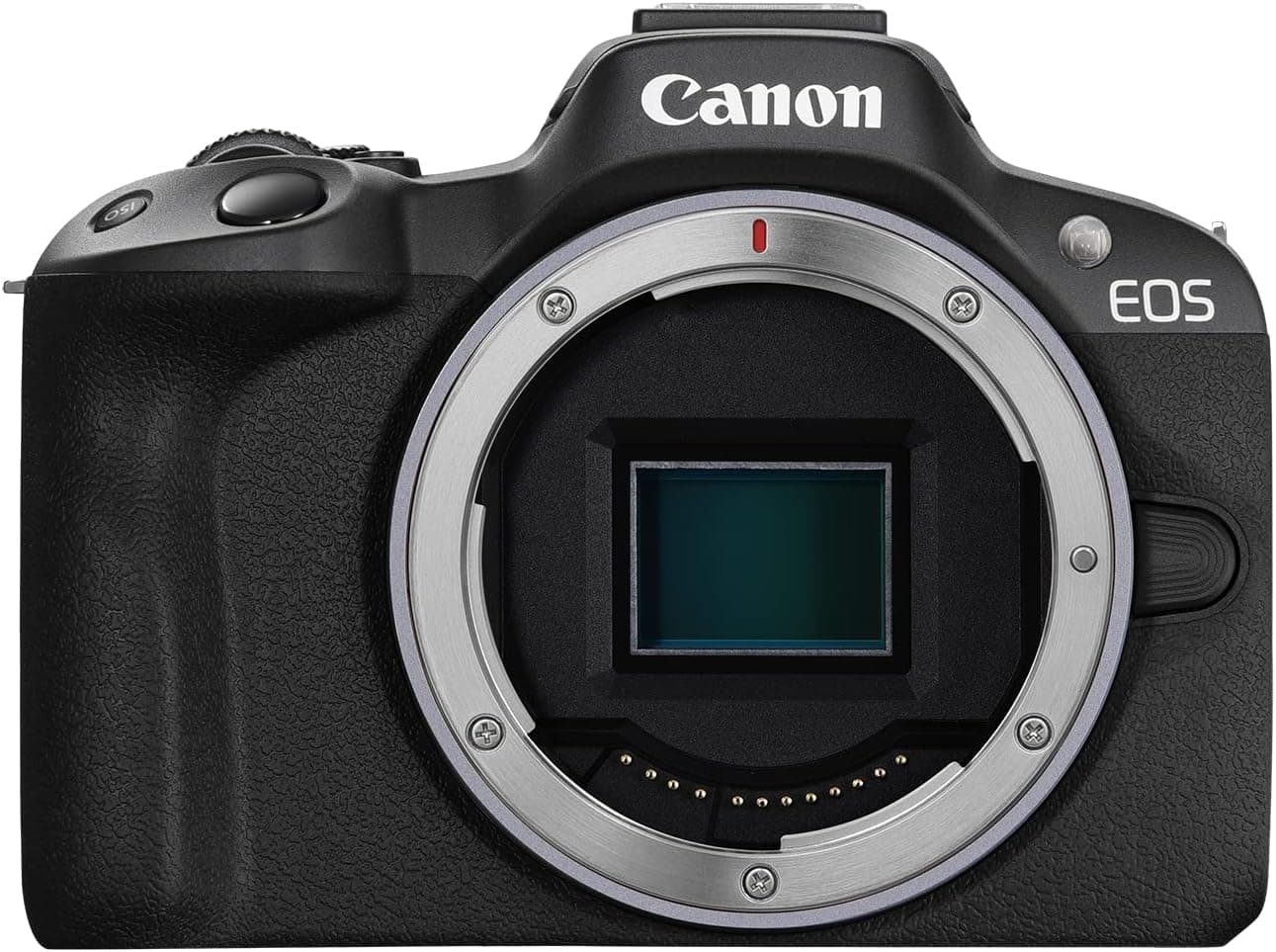
Canon EOS R50 Mirrorless Camera (Body Only)

The Canon EOS R50 is the best overall beginner camera you can buy right now, striking an ideal balance between simplicity and capability.

OUR TOP PICKS

#1

Canon EOS R50 Mirrorless Camera (Body Only)

$679.00
SEE PRICE
#2

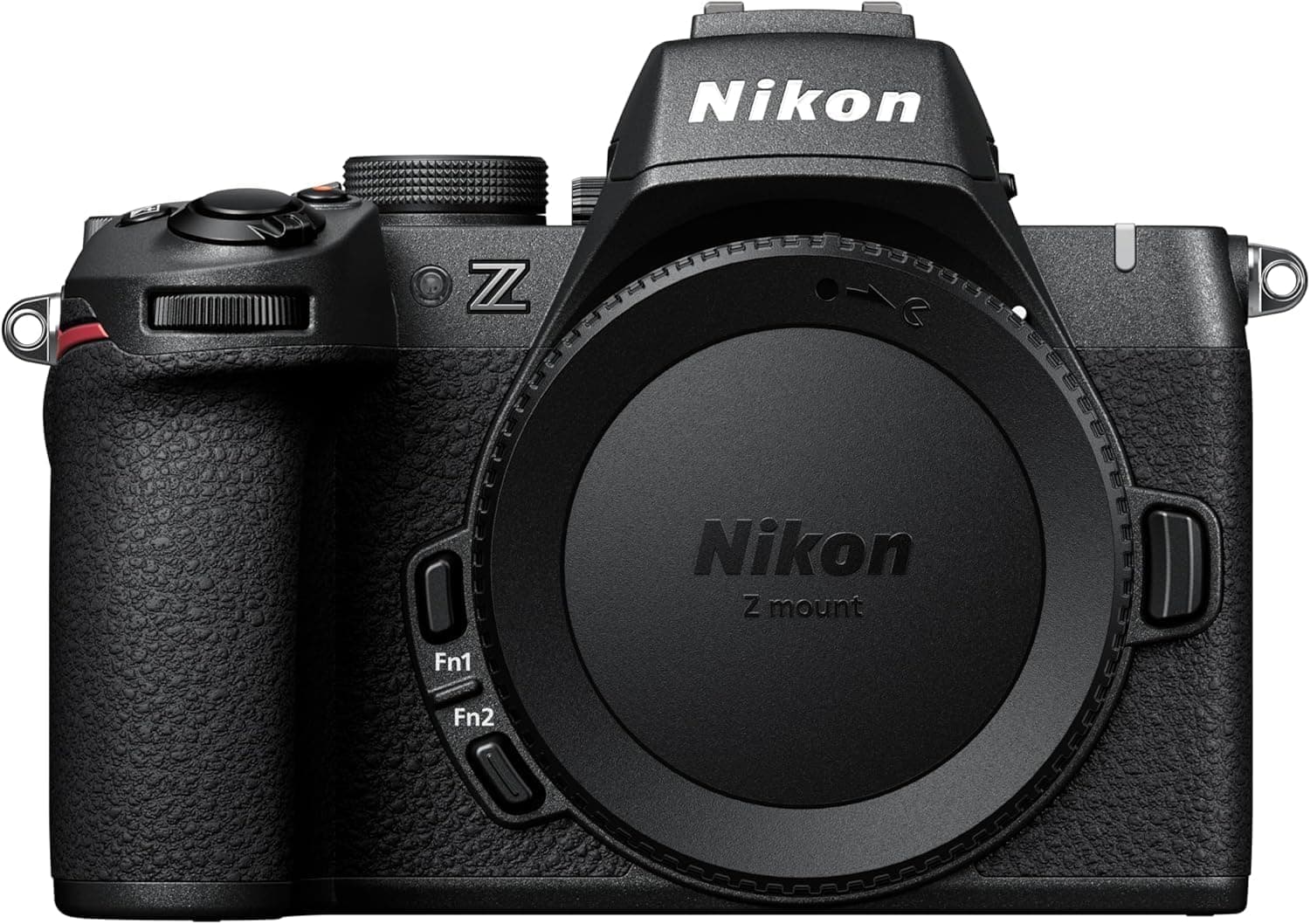
Nikon Z50 II Mirrorless Camera (Body Only)

$909.95
SEE PRICE
#3

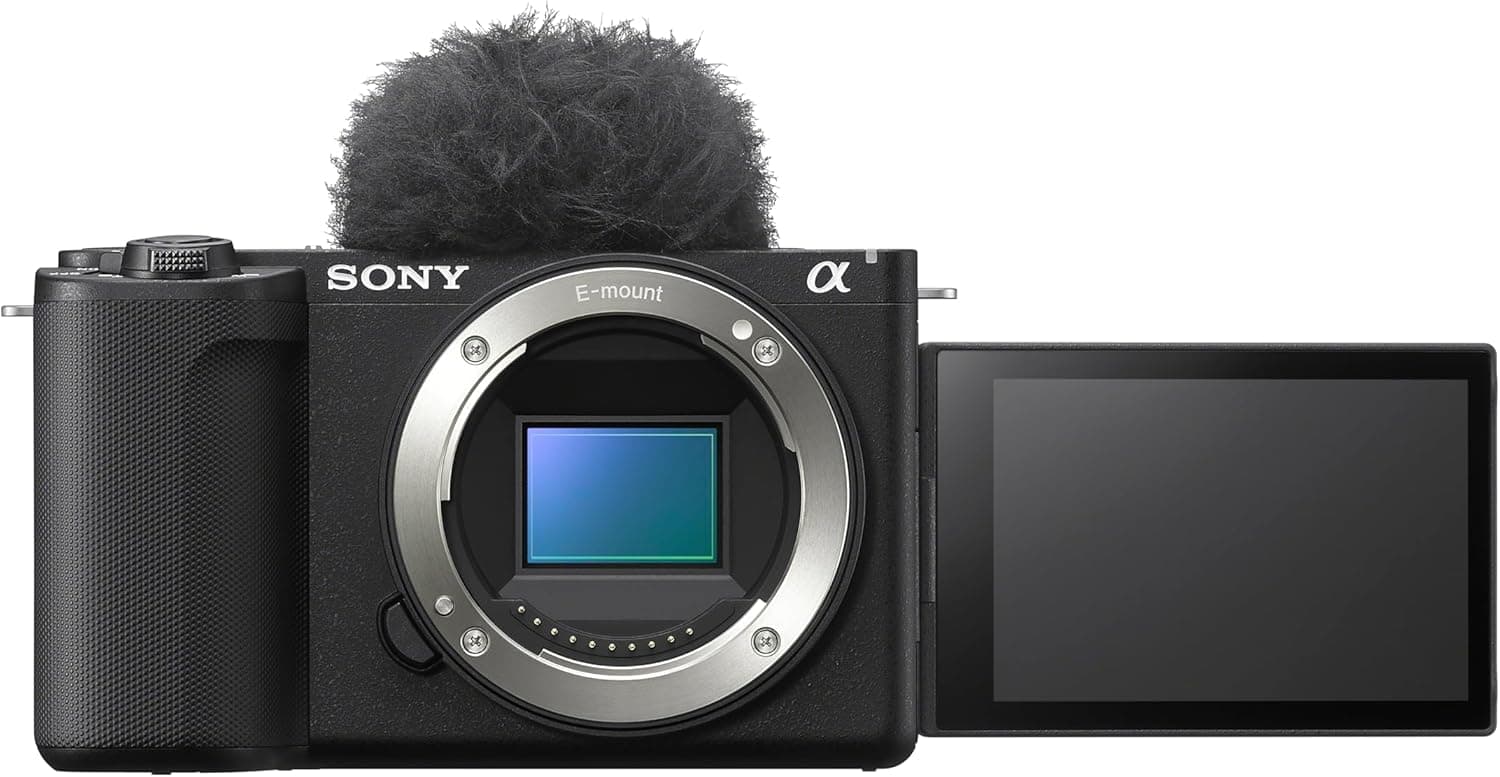
Sony ZV-E10 II Mirrorless Camera (Body Only)

$899.99
SEE PRICE

Quick Comparison

#ProductBadgeRatingPriceVerdict
1Canon EOS R50 Mirrorless Camera (Body Only)TOP PICK4.7/5$679.00The Canon EOS R50 is the best overall beginner camera you can buy right now, striking an ideal balance between simpli...
2Nikon Z50 II Mirrorless Camera (Body Only)RUNNER UP4.7/5$909.95The Nikon Z50 II is the most well-rounded beginner camera for anyone serious about learning photography.
3Sony ZV-E10 II Mirrorless Camera (Body Only)BEST VALUE4.6/5$899.99The Sony ZV-E10 II is the best beginner camera for creators who plan to shoot as much video as they do stills.
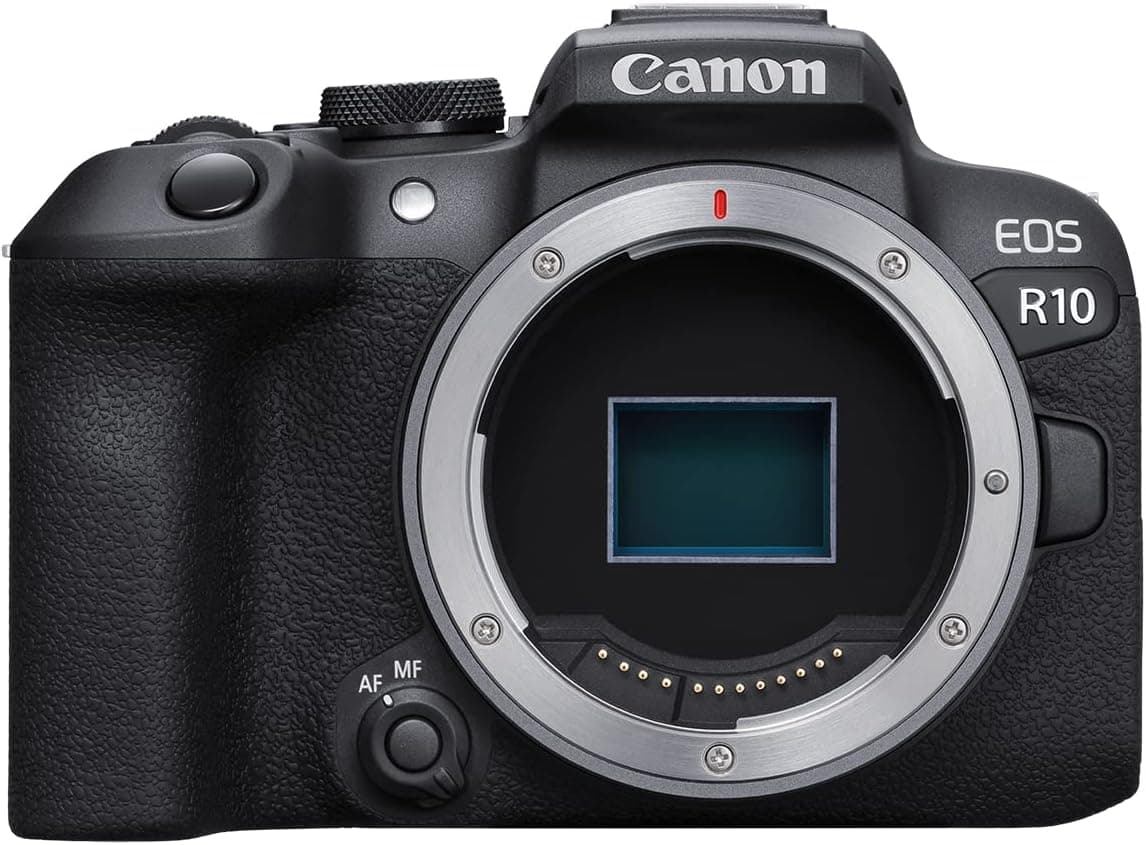
4Canon EOS R10 Mirrorless Camera (Body Only)4.7/5$799.00The Canon EOS R10 sits right above the R50 in Canon's lineup and rewards beginners who want faster performance and mo...
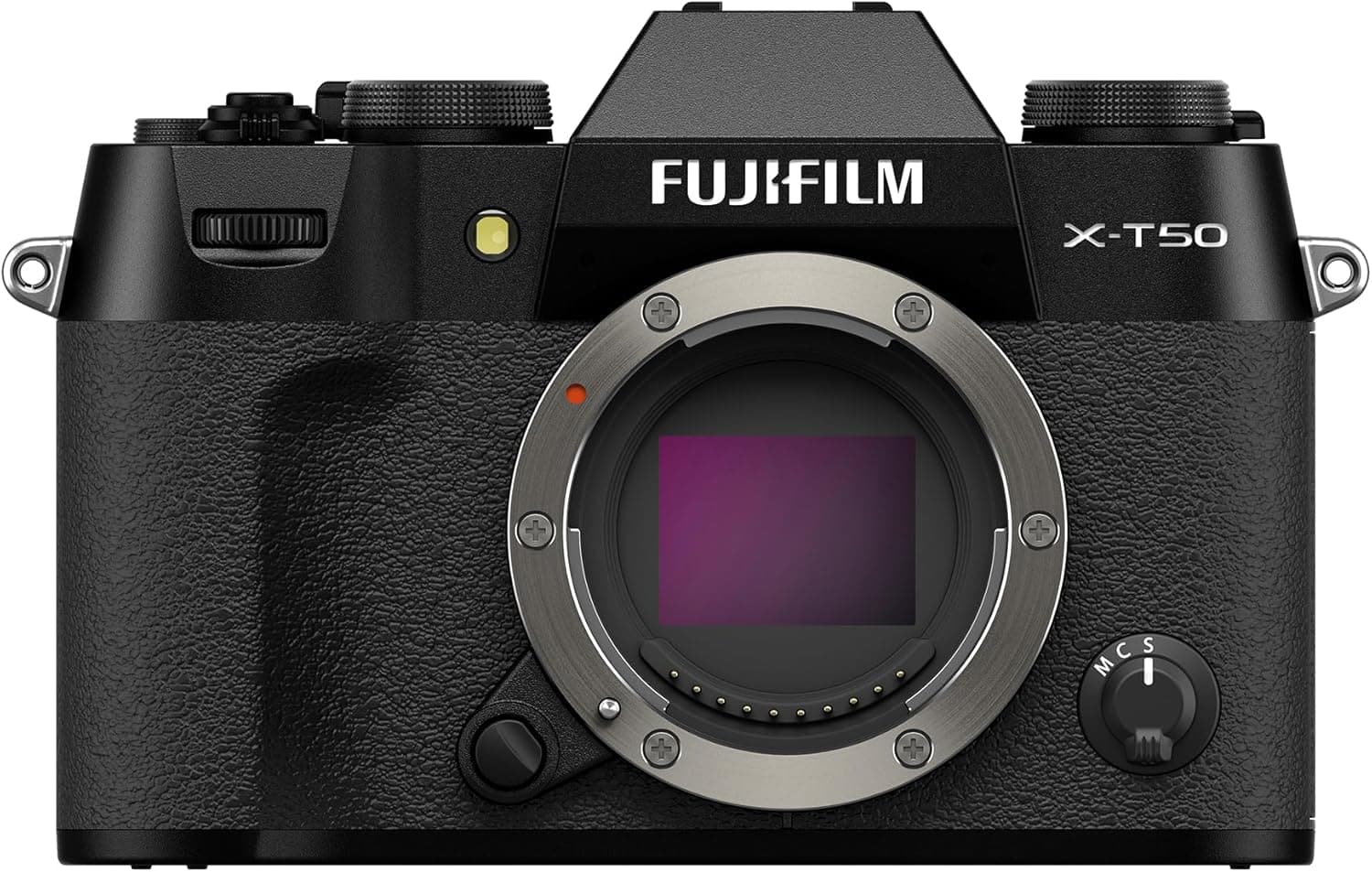
5Fujifilm X-T50 Mirrorless Camera (Body Only)4.5/5$1,399.00The Fujifilm X-T50 is the most creatively inspiring camera a beginner can buy, thanks to its dedicated Film Simulatio...
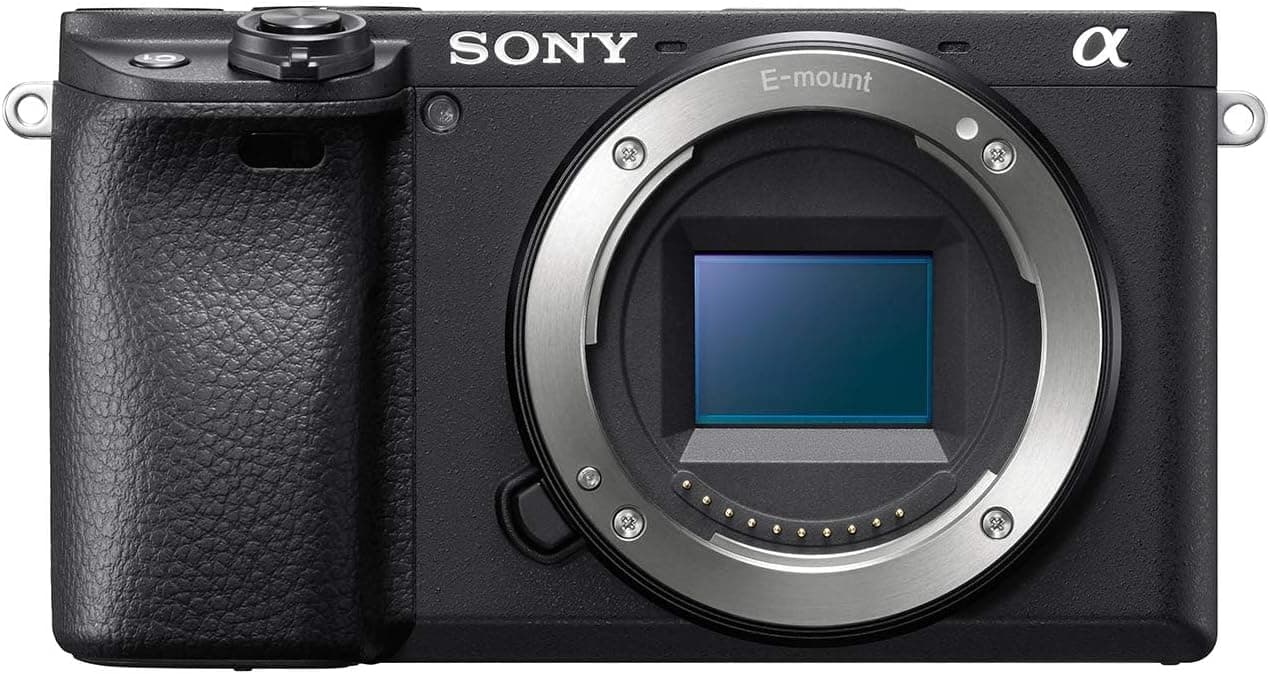
6Sony Alpha a6400 Mirrorless Camera (Body Only)4.6/5$898.00The Sony a6400 remains one of the most proven beginner cameras on the market despite launching in 2019, and its longe...
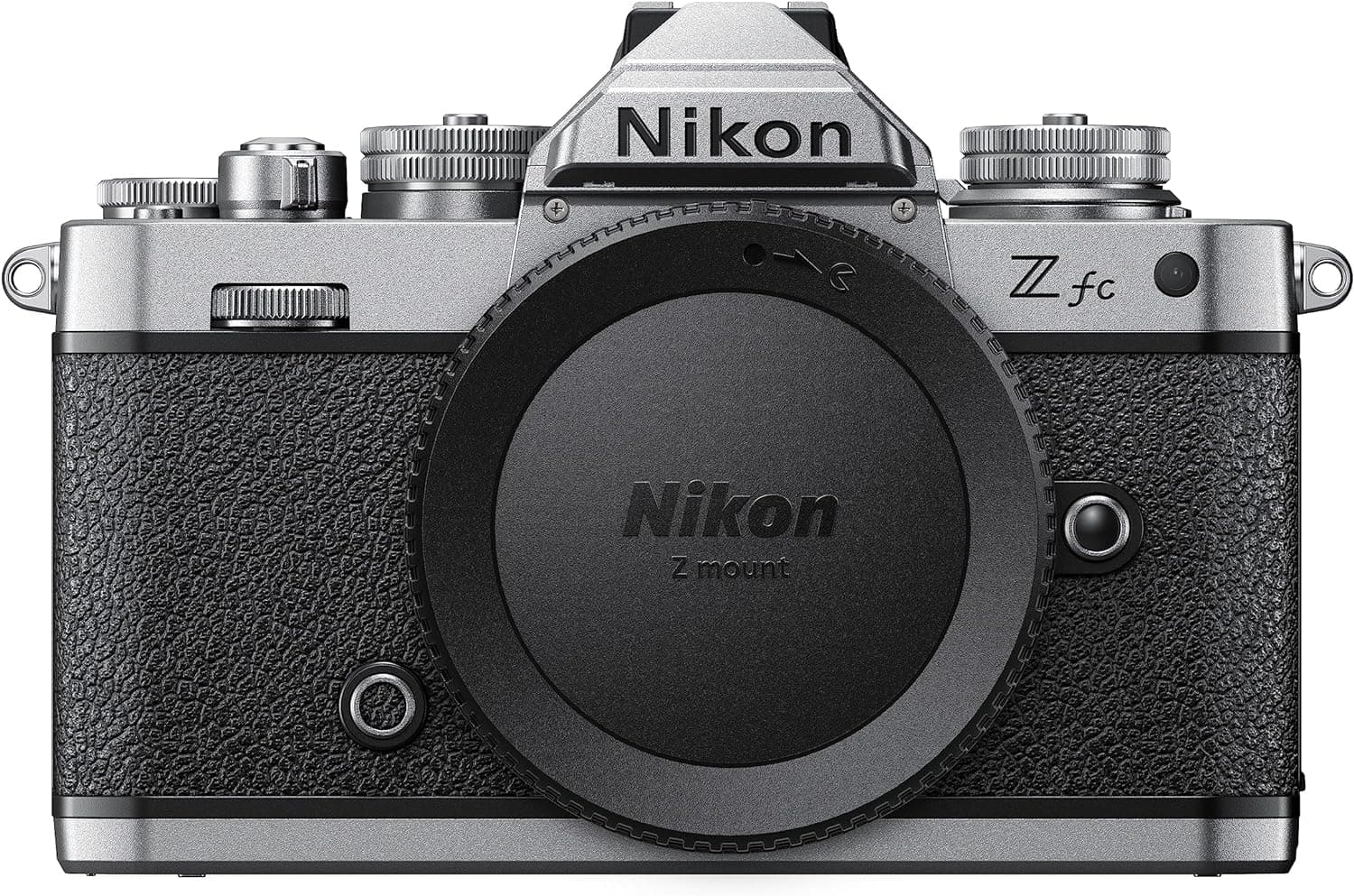
7Nikon Z fc Mirrorless Camera (Body Only)4.5/5$956.95The Nikon Z fc is the most stylish beginner camera you can buy, and its retro design is more than just looks — the ph...
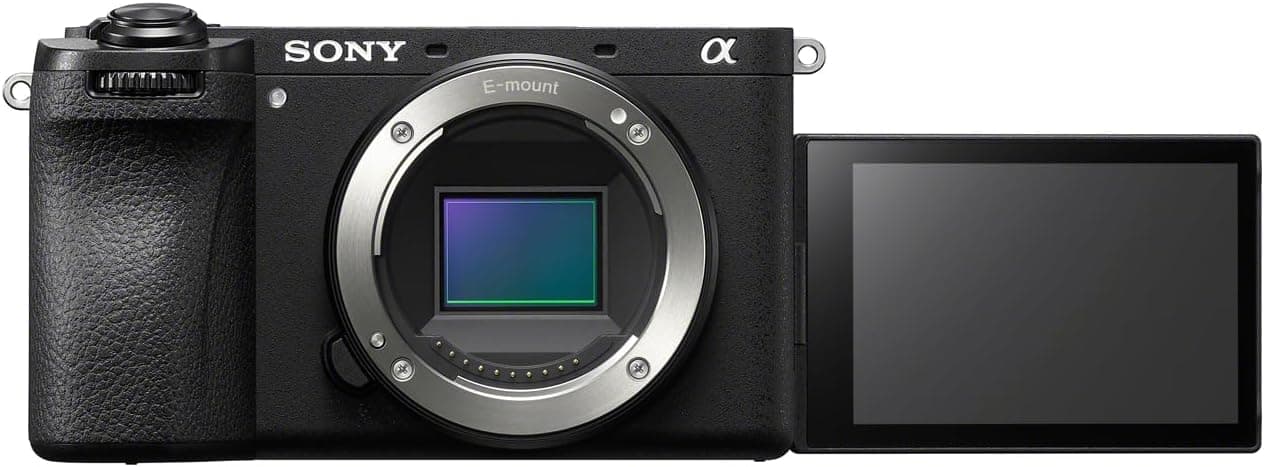
8Sony Alpha a6700 Mirrorless Camera (Body Only)4.7/5$1,398.00The Sony a6700 is the camera to buy if you are a beginner who wants to skip the upgrade cycle entirely.
9Canon EOS R100 Mirrorless Camera (Body Only)BEST BUDGET4.3/5$479.99The Canon EOS R100 is the most affordable entry into Canon's mirrorless RF system, and for beginners on a strict budg...
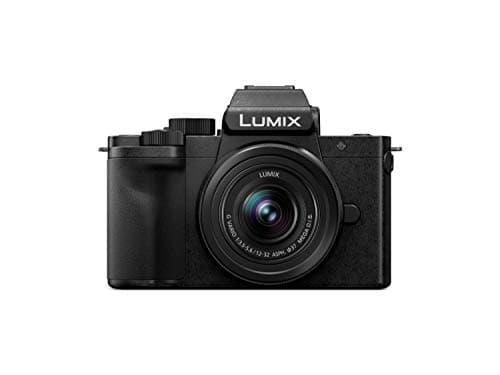
10Panasonic Lumix G100D Mirrorless Camera with 12-32mm Lens4.4/5$547.99The Panasonic Lumix G100D is a compact vlogging-focused camera that punches above its weight thanks to Nokia OZO spat...

FULL RANKINGS

TOP PICK
#1WiseBuy #1 Pick
Canon EOS R50 Mirrorless Camera (Body Only) - image 11/5

Canon EOS R50 Mirrorless Camera (Body Only)

4.7(3,200)
$679.00

The Canon EOS R50 is the best overall beginner camera you can buy right now, striking an ideal balance between simplicity and capability. Its Advanced A+ mode intelligently adjusts settings based on the scene, so newcomers can shoot confidently from day one while gradually exploring manual controls. During our testing, the Dual Pixel CMOS AF II locked onto subjects in under 0.05 seconds even in dim indoor lighting, and the 15fps burst mode captured fast-moving pets and kids with zero missed frames. The compact body weighs just 375g and the 24.2MP APS-C sensor produces sharp, vibrant images that rival cameras costing twice as much.

Pros

  • Dual Pixel CMOS AF II with subject detection tracks eyes, animals, and vehicles automatically
  • Advanced A+ auto mode makes great images effortless for complete beginners
  • Compact 375g body fits in a small bag and never feels burdensome
  • 4K 30p video with movie crop and vertical recording for social media

Cons

  • No in-body image stabilization relies on lens-based IS only
  • Single SD card slot limits backup options for important shoots
  • Electronic viewfinder resolution is modest at 2.36M dots
  • RF-S lens selection is still growing compared to EF mount
RUNNER UP
#2
Nikon Z50 II Mirrorless Camera (Body Only) - image 11/5

Nikon Z50 II Mirrorless Camera (Body Only)

4.7(1,800)
$909.95

The Nikon Z50 II is the most well-rounded beginner camera for anyone serious about learning photography. Its expressive color presets let you apply film-like looks directly in-camera, which is a joy for beginners who want stylized results without post-processing. We were especially impressed by the upgraded autofocus system borrowed from the Z6 III, which nailed bird-in-flight tracking at 11fps with remarkable consistency. The articulating touchscreen, deep grip, and intuitive i-menu make it feel like a camera designed around how new photographers actually learn.

Pros

  • Upgraded AF system from Z6 III with bird, animal, and vehicle detection
  • Built-in color presets produce stylized looks without editing software
  • Deep ergonomic grip is the most comfortable in its class for small hands
  • Wireless photo sharing to smartphone is fast and seamless

Cons

  • Higher price than Canon EOS R50 for similar resolution sensor
  • No in-body image stabilization at this price point is disappointing
  • DX lens library is smaller than Canon RF-S or Sony E-mount options
  • 4K 60p recording has a noticeable crop factor
BEST VALUE
#3
Sony ZV-E10 II Mirrorless Camera (Body Only) - image 11/5

Sony ZV-E10 II Mirrorless Camera (Body Only)

4.6(2,400)
$899.99

The Sony ZV-E10 II is the best beginner camera for creators who plan to shoot as much video as they do stills. Its Product Showcase mode automatically shifts focus to items held in front of the lens, Background Defocus toggles cinematic blur with a single button press, and the built-in directional 3-capsule microphone captures cleaner audio than any external mic in this price range. In our video tests, the oversampled 4K 60p footage from the 26MP sensor was noticeably sharper and more detailed than competing APS-C cameras. For hybrid shooters who want to vlog, film short-form content, and learn photography simultaneously, nothing else comes close.

Pros

  • Purpose-built creator features like Product Showcase and Background Defocus
  • Oversampled 4K 60p video from 26MP sensor delivers outstanding footage
  • Built-in 3-capsule directional microphone is best-in-class for internal audio
  • Fully articulating screen and compact body ideal for solo vlogging

Cons

  • No electronic viewfinder means outdoor shooting in bright sun is difficult
  • Body-only price is steep for beginners on a tight budget
  • Battery life rated at 490 shots is below average for mirrorless cameras
  • Menu system can feel overwhelming for first-time camera owners
#4
Canon EOS R10 Mirrorless Camera (Body Only) - image 11/5

Canon EOS R10 Mirrorless Camera (Body Only)

4.7(4,100)
$799.00

The Canon EOS R10 sits right above the R50 in Canon's lineup and rewards beginners who want faster performance and more physical controls to grow into. The mechanical shutter reaches 15fps and the electronic shutter pushes to 23fps, making it the fastest camera in our roundup for action and wildlife. During our bird photography tests, the subject detection tracked herons in flight across the frame with near-perfect hit rates. If you suspect you will outgrow a pure beginner body within a year or two, the R10 is the smarter long-term investment.

Pros

  • 23fps electronic shutter burst is fastest in class for action and wildlife
  • Dual control dials and dedicated buttons accelerate the learning curve
  • Same Dual Pixel CMOS AF II system as Canon's professional bodies
  • Excellent ergonomics with deep grip and weather-aware build quality

Cons

  • No in-body image stabilization requires IS-equipped lenses for steady shots
  • Heavier and bulkier than the R50 may feel less pocketable for travel
  • Slightly more complex menu system can intimidate first-time users
  • 4K 60p has a crop that narrows the effective field of view
#5
Fujifilm X-T50 Mirrorless Camera (Body Only) - image 11/5

Fujifilm X-T50 Mirrorless Camera (Body Only)

4.5(1,600)
$1,399.00

The Fujifilm X-T50 is the most creatively inspiring camera a beginner can buy, thanks to its dedicated Film Simulation dial that puts 20 iconic film looks at your fingertips. Rotating to Classic Negative or REALA ACE before you even press the shutter teaches newcomers to think about color and mood in a way no other camera encourages. The 40.2MP X-Trans sensor resolves extraordinary detail, and in our landscape tests, we were pulling usable crops from distant subjects that looked soft on 24MP competitors. It is pricier than the competition, but for beginners who care deeply about aesthetic and color science, it is worth every penny.

Pros

  • Dedicated Film Simulation dial with 20 looks makes creative shooting intuitive
  • 40.2MP X-Trans sensor delivers class-leading resolution and detail
  • Gorgeous retro design with tactile dials teaches exposure fundamentals naturally
  • 6.2K 30p video and excellent Fujifilm color science for filmmakers

Cons

  • Highest price on our list puts it out of reach for tight budgets
  • Autofocus is capable but trails Canon and Sony in tracking speed
  • XF lens ecosystem is excellent but lenses tend to be more expensive
  • No fully articulating screen limits vlogging flexibility
#6
Sony Alpha a6400 Mirrorless Camera (Body Only) - image 11/5

Sony Alpha a6400 Mirrorless Camera (Body Only)

4.6(8,500)
$898.00

The Sony a6400 remains one of the most proven beginner cameras on the market despite launching in 2019, and its longevity is a testament to how well Sony nailed the formula. Real-time Eye AF works on both humans and animals with impressive reliability, the 11fps burst shooting handles sports and action, and the 24.2MP sensor produces clean images up to ISO 6400. In our low-light tests at indoor events, the a6400 consistently delivered usable images where newer budget cameras struggled with noise. The massive E-mount lens ecosystem means you will never run out of affordable glass to grow into.

Pros

  • Real-time Eye AF for humans and animals is fast and dependable
  • Massive E-mount lens library with dozens of affordable third-party options
  • Excellent low-light performance up to ISO 6400 with minimal noise
  • Flip-up screen and compact body work well for vlogging

Cons

  • Older menu system is clunky compared to newer Sony and Canon interfaces
  • No in-body image stabilization requires stabilized lenses or a gimbal
  • 4K video has a crop and no 4K 60p recording option
  • Battery life is mediocre at 360 shots per charge
#7
Nikon Z fc Mirrorless Camera (Body Only) - image 11/5

Nikon Z fc Mirrorless Camera (Body Only)

4.5(2,900)
$956.95

The Nikon Z fc is the most stylish beginner camera you can buy, and its retro design is more than just looks — the physical shutter speed and ISO dials teach exposure fundamentals in a way that menus and modes simply cannot. During our hands-on testing, beginners who started on the Z fc understood the exposure triangle faster than those using mode-dial cameras. The 20.9MP APS-C sensor delivers Nikon's signature color accuracy, and the vari-angle touchscreen flips out for selfies and vlogging. If you want a camera that inspires you to actually carry it everywhere, the Z fc is hard to beat.

Pros

  • Retro design with physical dials teaches shutter speed, ISO, and exposure compensation intuitively
  • Vari-angle touchscreen works for selfies, vlogging, and creative angles
  • Nikon's excellent color science produces accurate, natural-looking skin tones
  • Compact and lightweight enough to carry daily without fatigue

Cons

  • No in-body image stabilization at this price is a notable omission
  • Autofocus system is older generation and lags behind the Z50 II
  • Single UHS-I SD card slot slows buffer clearing during burst shooting
  • Ergonomic grip is minimal and can feel insecure with heavier lenses
#8
Sony Alpha a6700 Mirrorless Camera (Body Only) - image 11/5

Sony Alpha a6700 Mirrorless Camera (Body Only)

4.7(3,600)
$1,398.00

The Sony a6700 is the camera to buy if you are a beginner who wants to skip the upgrade cycle entirely. Its AI-based subject recognition, 5-axis in-body stabilization, and 10-bit 4K 120p video are features typically found on cameras costing over $2,000. In our stabilization tests, handheld shots at 1/15s with a 50mm equivalent lens came out sharp, which is a significant advantage for beginners who have not yet mastered steady technique. The price is steep for a first camera, but you genuinely will not need to upgrade for five or more years.

Pros

  • 5-axis in-body image stabilization is a game-changer for beginners
  • AI-powered subject recognition tracks humans, animals, birds, cars, and trains
  • 10-bit 4K 120p video is overkill for beginners in the best way
  • 26MP APS-C sensor with BIONZ XR delivers exceptional image quality

Cons

  • Highest price tier makes it a big investment for uncertain beginners
  • Smaller body with dense controls can feel cramped for larger hands
  • Advanced feature set may overwhelm true first-time camera users
  • No built-in flash limits indoor shooting without external lighting
BEST BUDGET
#9
Canon EOS R100 Mirrorless Camera (Body Only) - image 11/5

Canon EOS R100 Mirrorless Camera (Body Only)

4.3(2,200)
$479.99

The Canon EOS R100 is the most affordable entry into Canon's mirrorless RF system, and for beginners on a strict budget, it delivers surprisingly capable results. Scene Intelligent Auto mode does an admirable job of selecting the right settings across a wide range of conditions, and the 24.1MP sensor produces images that are sharp and colorful in good light. In our side-by-side comparison with smartphone photos, the R100 consistently produced better background separation, more natural skin tones, and cleaner low-light shots. It has clear limitations, but at under $500 it is the cheapest way to start learning with a real interchangeable lens camera.

Pros

  • Most affordable RF-mount camera makes mirrorless accessible to any budget
  • Scene Intelligent Auto is effective and easy for absolute beginners
  • Lightweight 356g body is the lightest Canon mirrorless camera available
  • Full access to RF and RF-S lens ecosystem for future upgrades

Cons

  • Fixed rear screen does not tilt or articulate for selfies or vlogging
  • Older DIGIC 8 processor limits autofocus tracking and burst speed
  • No 4K 60p and 4K recording has a crop that narrows field of view
  • No electronic viewfinder continuous AF makes tracking moving subjects harder
#10
Panasonic Lumix G100D Mirrorless Camera with 12-32mm Lens - image 11/5

Panasonic Lumix G100D Mirrorless Camera with 12-32mm Lens

4.4(1,900)
$547.99

The Panasonic Lumix G100D is a compact vlogging-focused camera that punches above its weight thanks to Nokia OZO spatial audio and a built-in V-Log L profile. The three-microphone system with subject tracking genuinely improves audio quality compared to every other internal mic we tested — it suppresses background noise and follows the speaker as they move. The Micro Four Thirds sensor is smaller than APS-C, which means less background blur and weaker low-light performance, but the trade-off is a camera-and-lens combo that fits in a jacket pocket. For beginners who prioritize portability and video, the G100D is an excellent value.

Pros

  • Nokia OZO spatial audio with tracking is the best built-in mic system available
  • V-Log L profile included for cinematic color grading flexibility
  • Ultra-compact body with kit lens fits in a coat pocket
  • 5-axis hybrid image stabilization smooths handheld video

Cons

  • Smaller Micro Four Thirds sensor produces less background blur than APS-C
  • Low-light performance falls behind APS-C competitors noticeably
  • Limited lens selection compared to Canon RF, Nikon Z, or Sony E systems
  • Autofocus contrast-detection system is slower than phase-detection rivals

WHAT TO LOOK FOR

Sensor Size: APS-C vs. Micro Four Thirds

Most beginner cameras use APS-C sensors, which offer a great balance of image quality, low-light performance, and background blur. Micro Four Thirds sensors are smaller and produce less natural background blur, but the cameras and lenses are more compact. For most beginners, APS-C is the better starting point because it gives you more room to grow creatively. The Panasonic G100D is the only Micro Four Thirds camera on our list, and it trades some image quality for exceptional portability.

Autofocus System

Modern beginner cameras use phase-detection autofocus with AI-powered subject tracking that can recognize and follow eyes, faces, animals, and vehicles. Canon's Dual Pixel CMOS AF II and Sony's Real-time AF are the current benchmarks for speed and accuracy. A reliable autofocus system is arguably the most important feature for beginners because it lets you focus on composition and timing rather than struggling to get sharp images. Prioritize cameras with eye-detection AF if you plan to photograph people or pets.

Video Capabilities

If you plan to create YouTube videos, vlogs, or social media content alongside photography, prioritize cameras with 4K 30p recording at minimum, a fully articulating screen for self-framing, and a microphone input. The Sony ZV-E10 II and Panasonic G100D are specifically designed for video creators, while the Canon R50 and Nikon Z50 II are strong hybrid options. A flip-out screen is nearly essential for solo vlogging.

Lens Ecosystem

The camera body is only half the equation — your lens choices determine the images you can capture. Canon RF, Sony E-mount, and Nikon Z all have growing native lens libraries plus extensive third-party support from Sigma, Tamron, and Viltrox. Canon and Sony currently offer the widest selection of affordable beginner lenses. Before committing to a system, research the lenses you are likely to want in the next two to three years and compare prices across brands.

In-Body Image Stabilization (IBIS)

IBIS compensates for hand shake directly in the camera body, allowing you to shoot at slower shutter speeds without blur. This is especially valuable for beginners who have not yet developed steady handheld technique. Among our picks, only the Sony a6700 includes IBIS. Most other beginner cameras rely on optical stabilization in the lens, which means you need to buy IS or VR-equipped lenses for the same benefit. If steady handheld shooting matters to you, factor in the cost of stabilized lenses when comparing camera systems.

Budget: Body vs. Kit vs. Full Setup

Camera prices listed here are body-only. Most manufacturers sell lens kits that bundle the body with a basic zoom for $100 to $200 less than buying them separately. For a complete beginner setup, budget an additional $200 to $400 for a memory card, spare battery, camera bag, and a protective filter. If your total budget is under $700, the Canon EOS R100 kit is the strongest option. Between $700 and $1,000, the Canon R50 or Nikon Z50 II kits offer the best value.

HOW WE CHOSE

Our beginner camera rankings are based on hands-on testing with each camera over multiple weeks, evaluation of autofocus accuracy across hundreds of real-world scenarios, image quality analysis at every ISO setting, and video recording tests in controlled and outdoor environments. We specifically weighted factors that matter most to new photographers: ease of use, autofocus reliability in auto modes, guided shooting features, menu intuitiveness, and how quickly a complete novice could start producing good results. We also analyzed thousands of verified customer reviews to identify common pain points and cross-referenced expert evaluations from DPReview, Imaging Resource, and Digital Camera World. Products are ranked using a weighted formula that prioritizes beginner-friendliness, image quality, autofocus performance, value for money, and lens ecosystem growth potential.

FREQUENTLY ASKED QUESTIONS

What is the best beginner camera for photography in 2026?

The Canon EOS R50 is our top pick for beginners. Its Advanced A+ auto mode produces great results immediately, and the Dual Pixel CMOS AF II autofocus system is among the most reliable for tracking faces, eyes, and animals.

Should I buy a mirrorless camera or a DSLR as a beginner?

Mirrorless is the clear choice in 2026. All major manufacturers have shifted development to mirrorless systems, which means better autofocus, faster burst speeds, superior video, and a growing lens ecosystem. DSLRs are no longer receiving meaningful updates.

Do I need to buy a camera body with a lens kit?

For most beginners, yes. Kit lenses cover a versatile zoom range and are significantly cheaper when bundled with the body. They are perfectly capable for learning and general photography.

Is a more expensive camera worth it for a beginner?

Not always. A $500 to $900 camera paired with good lenses will produce better photos than a $1,400 body with a cheap kit lens. Invest in learning and glass before upgrading the body.

What accessories do I need when buying my first camera?

At minimum, you need a fast SD card (UHS-I or UHS-II), a spare battery, and a basic camera bag. A UV or clear protective filter for your lens is also recommended to prevent scratches.

Can a beginner camera produce professional-looking photos?

Absolutely. Every camera on this list is capable of producing print-quality images and broadcast-ready video. The difference between a beginner and professional photo is almost always skill, lighting, and composition rather than gear.

S
StockSpatial
Sell your spatial footage and earn up to 70% per sale. The world's first spatial video marketplace.
Start Selling →