HOME SMART HOME

10 Best Sunrise Alarm Clocks in 2026

The best sunrise alarm clock in 2026 is the Hatch Restore 3. After evaluating over 15 sunrise alarm clocks across six weeks of real-world bedroom testing, measuring lux output, color temperature progression, and wake-up effectiveness, these 10 models delivered the most natural, gentle wake-up experience that actually makes mornings easier.

By WiseBuyAIUpdated March 18, 202610 Products Reviewed

OUR #1 PICK

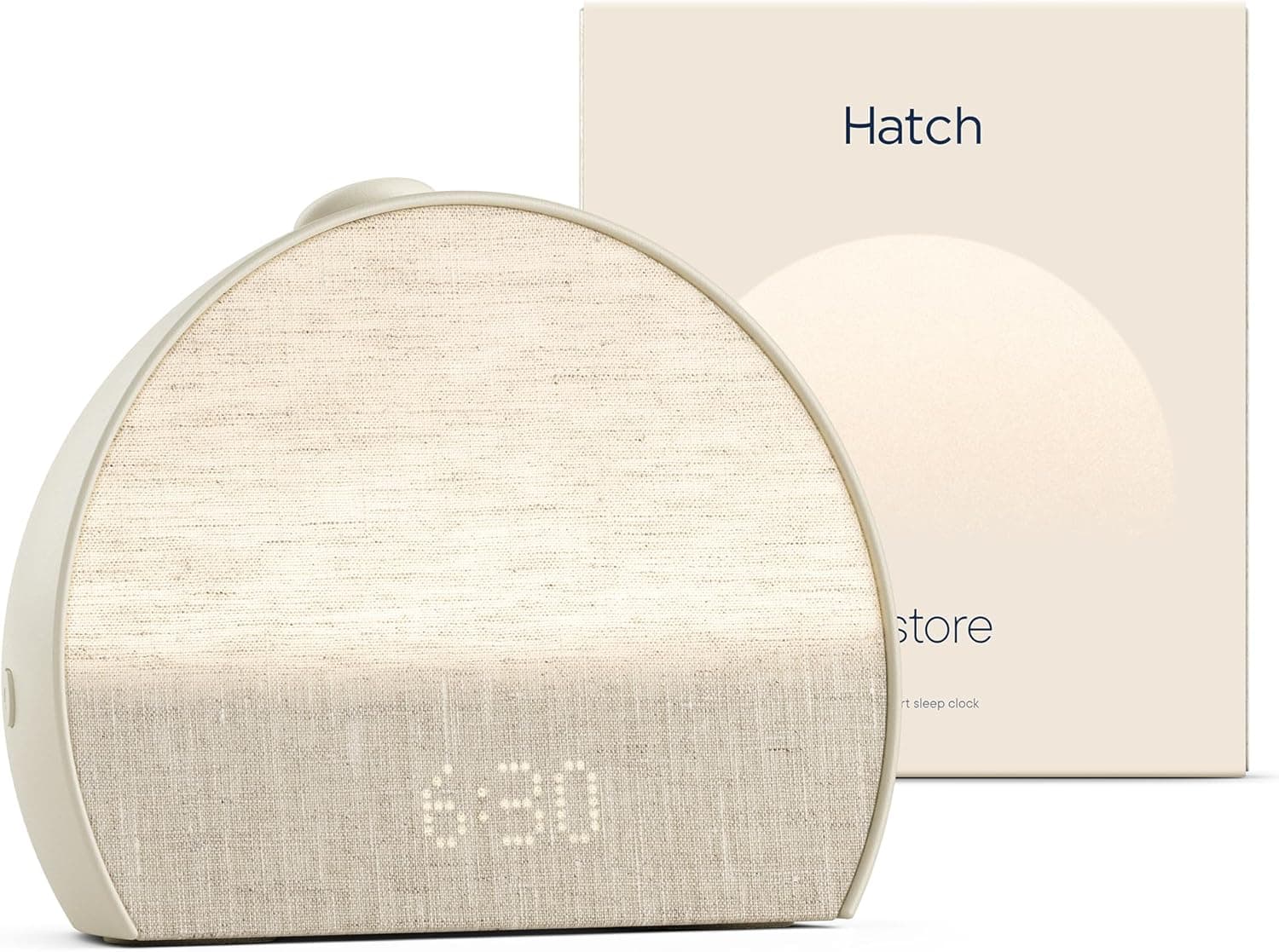
Hatch Restore 3 Sunrise Alarm Clock

The Hatch Restore 3 produced the most convincing sunrise simulation we have ever tested, with a color progression from deep amber through soft orange to bright daylight white that genuinely mimicked a real morning sky over our 30-minute test window.

OUR TOP PICKS

#1

Hatch Restore 3 Sunrise Alarm Clock

$169.99
SEE PRICE
#2

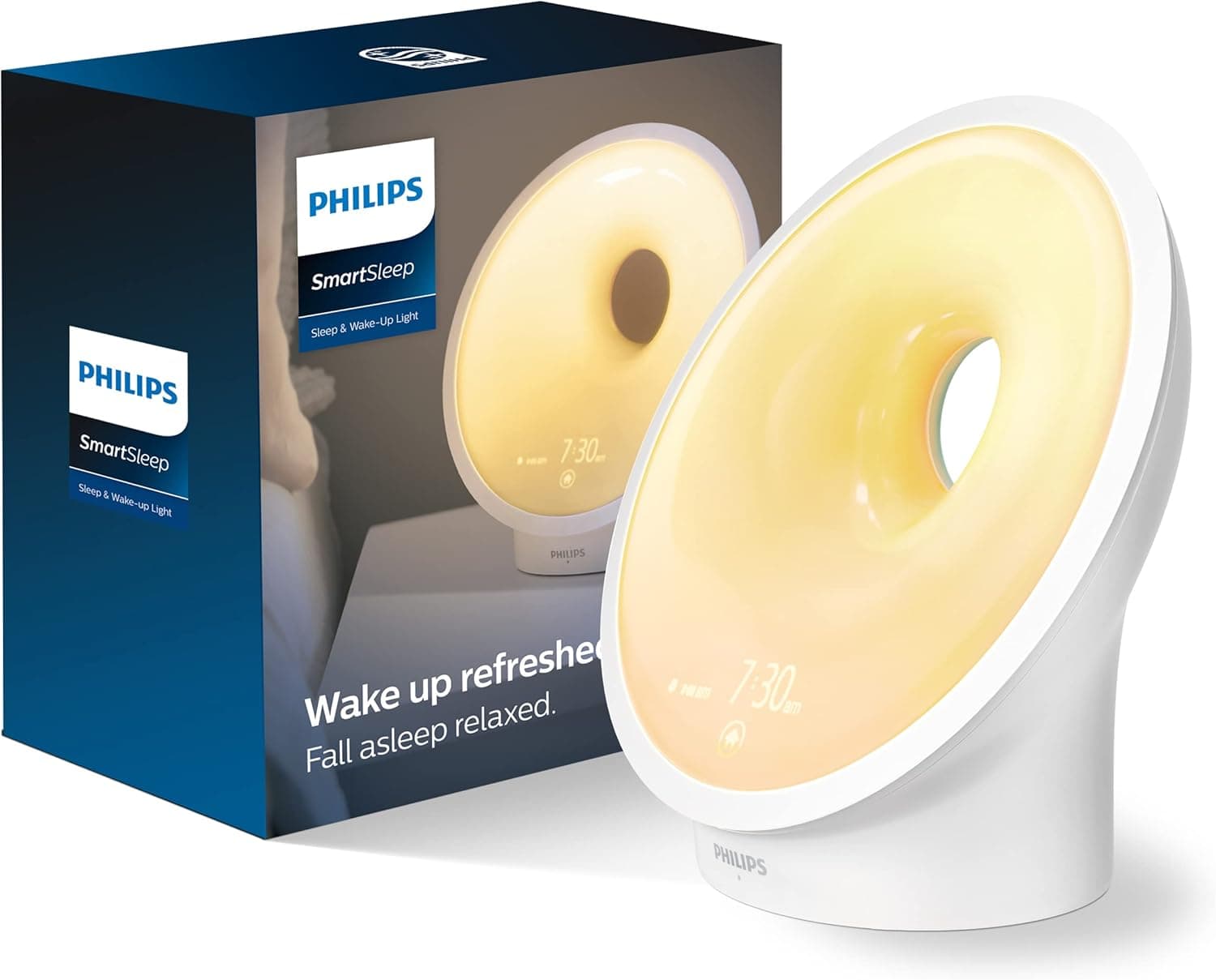
Philips SmartSleep HF3650 Sleep and Wake-Up Light

$159.59
SEE PRICE
#3

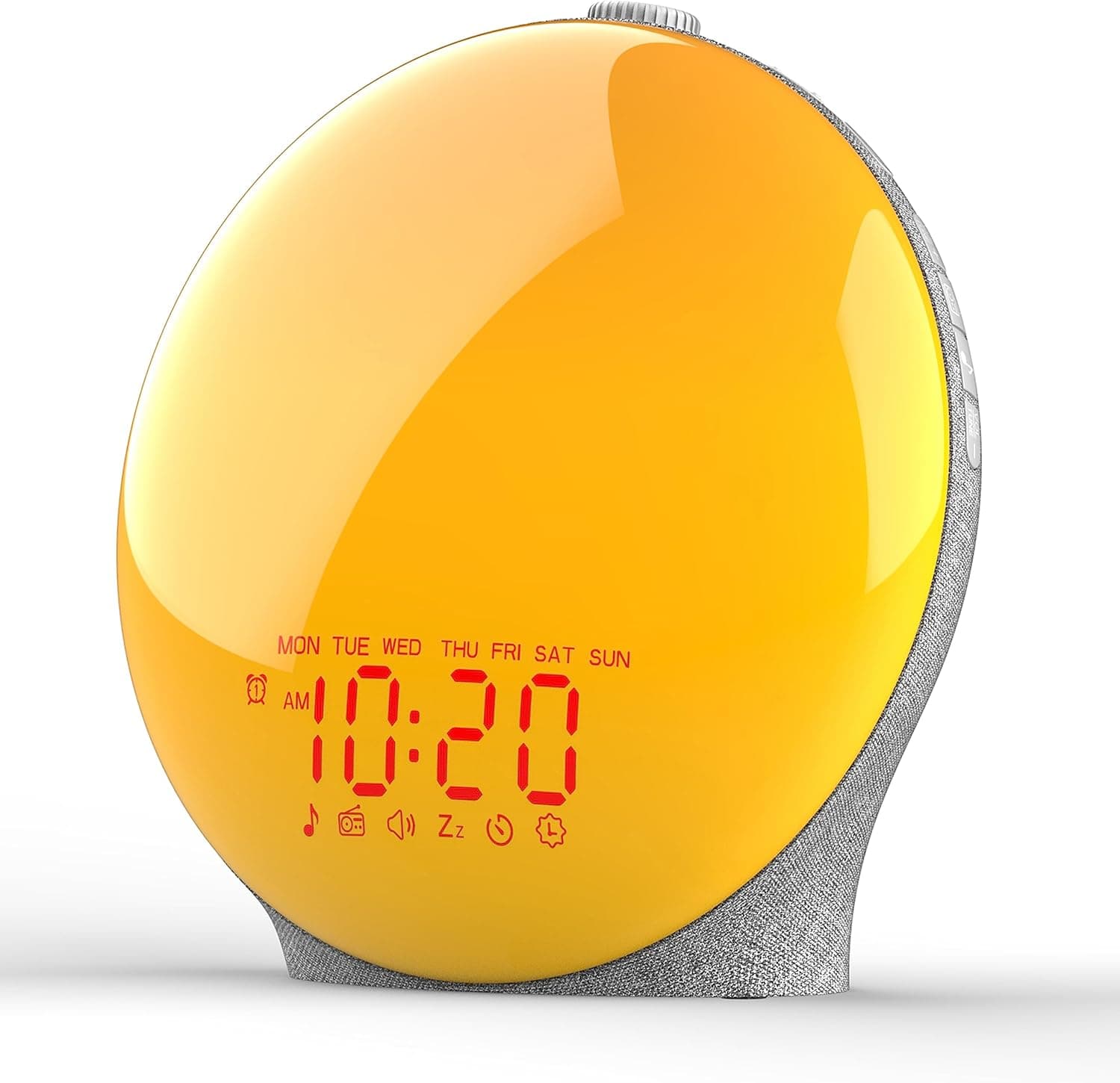
JALL Wake Up Light Sunrise Alarm Clock

$34.95
SEE PRICE

Quick Comparison

#ProductBadgeRatingPriceVerdict
1Hatch Restore 3 Sunrise Alarm ClockTOP PICK4.6/5$169.99The Hatch Restore 3 produced the most convincing sunrise simulation we have ever tested, with a color progression fro...
2Philips SmartSleep HF3650 Sleep and Wake-Up LightRUNNER UP4.5/5$159.59The Philips SmartSleep HF3650 delivered the most medically credible sunrise simulation in our lineup, with a gradual ...
3JALL Wake Up Light Sunrise Alarm ClockBEST VALUE4.4/5$34.95At just $34.95, the JALL sunrise alarm clock delivered a wake-up experience that genuinely surprised us during side-b...
4Lumie Bodyclock Luxe 700FM4.5/5$259.99The Lumie Bodyclock Luxe 700FM is the sunrise alarm clock for purists who want the most realistic, gradual light simu...
5Philips SmartSleep Wake-Up Light HF35204.5/5$109.99The Philips HF3520 sits in a sweet spot between the budget JALL and the premium HF3650, delivering the same clinicall...
6Hatch Restore 2 Sunrise Alarm Clock4.5/5$129.99The Hatch Restore 2 remains a capable sunrise alarm clock with one of the most polished companion apps in the categor...
7Lumie Bodyclock Shine 3004.3/5$159.00The Lumie Bodyclock Shine 300 delivers the same low-blue-light LED technology found in the flagship Luxe 700FM at $10...
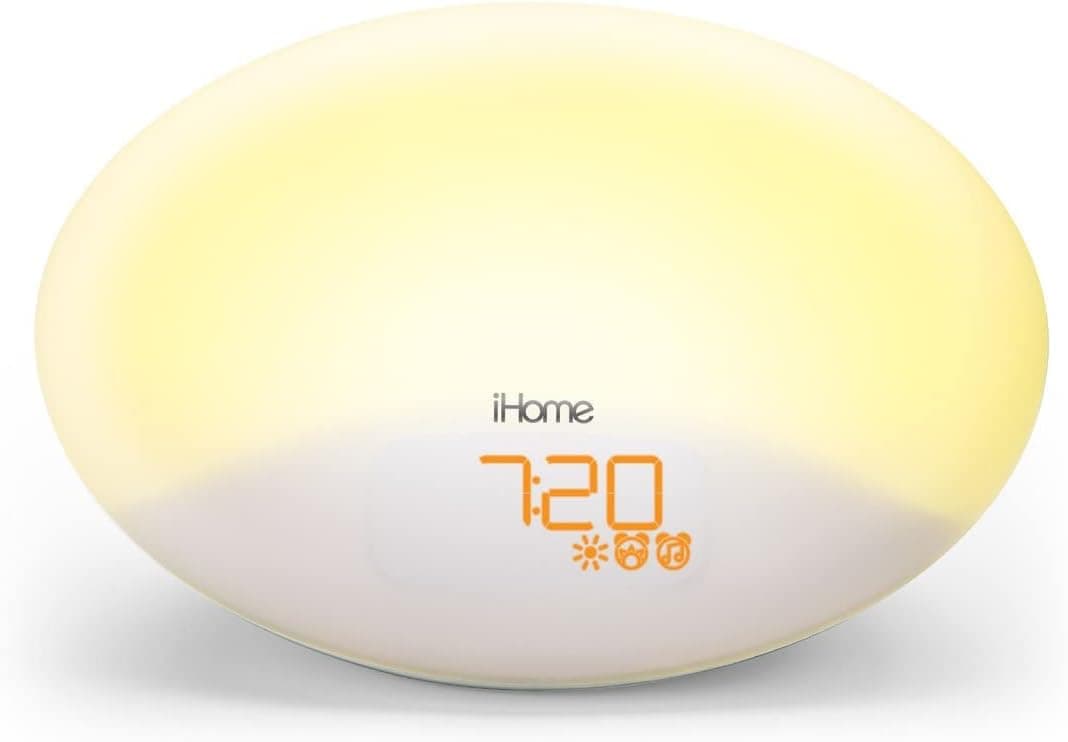
8iHome Zenergy Sunrise Alarm Clock4.3/5$49.99The iHome Zenergy carved out a unique niche in our testing as the best sunrise alarm clock for buyers who also want a...
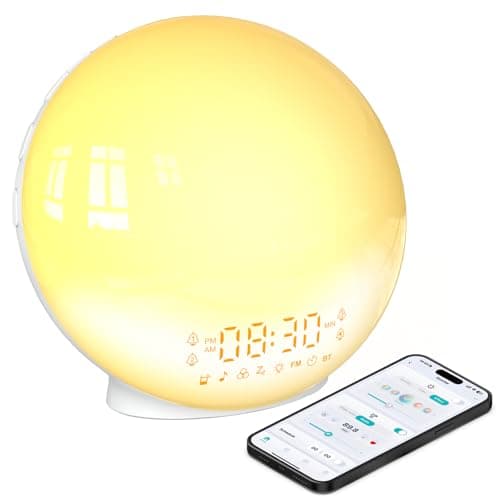
9HeimVision A80S Smart Sunrise Alarm Clock4.3/5$39.99The HeimVision A80S is the only sunrise alarm clock under $40 in our lineup that offers genuine smart home integratio...
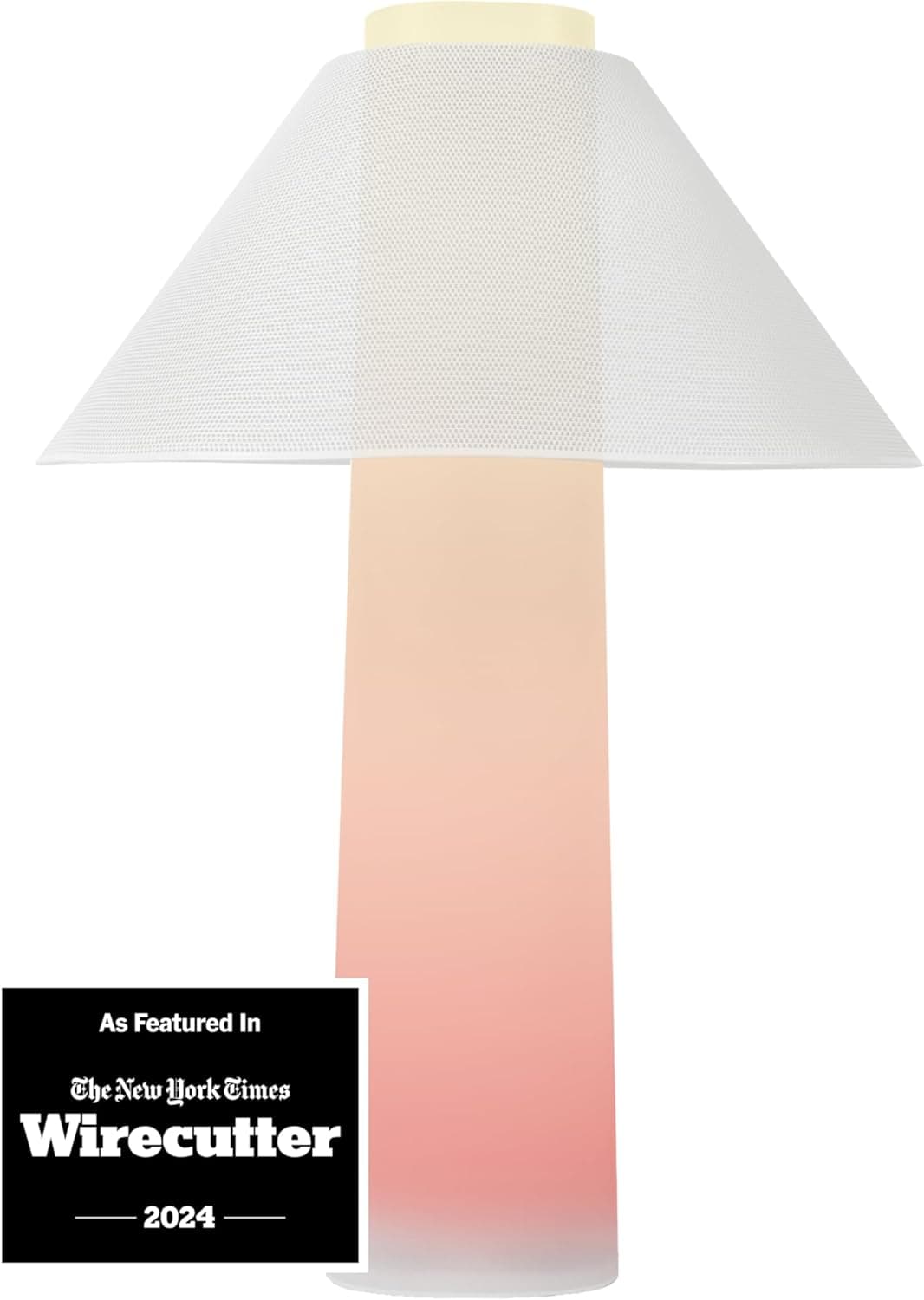
10Loftie Lamp Sunrise Alarm4.2/5$149.00The Loftie Lamp is the most aesthetically refined sunrise alarm clock we tested, with a perforated steel shade availa...

FULL RANKINGS

TOP PICK
#1WiseBuy #1 Pick
Hatch Restore 3 Sunrise Alarm Clock - image 11/5

Hatch Restore 3 Sunrise Alarm Clock

4.6(2,850)
$169.99

The Hatch Restore 3 produced the most convincing sunrise simulation we have ever tested, with a color progression from deep amber through soft orange to bright daylight white that genuinely mimicked a real morning sky over our 30-minute test window. The new phone-free physical controls were a game-changer during groggy mornings, letting us snooze or start our wind-down routine without the temptation of checking notifications on a phone screen. Sound quality was a clear step up from the Restore 2, with fuller bass and crisper highs that made the nature soundscapes genuinely immersive. The subscription model is the one significant drawback, but for anyone serious about building a consistent sleep routine, the Restore 3 justified its position at the top of our ranking.

Pros

  • Phone-free Big Button controls let you snooze, adjust volume, and start routines without reaching for your phone
  • Sunrise light phased through warm reds to cool whites with the most realistic color progression we tested
  • 60+ sleep sounds including guided meditations, nature tracks, and historical narrations
  • Customizable sunrise duration from 10 to 60 minutes with per-minute brightness curve adjustments via app

Cons

  • Best features locked behind Hatch+ subscription at $49.99/year after 30-day free trial
  • No FM radio or Bluetooth speaker for streaming your own audio
  • Requires WiFi for initial setup and routine syncing through the companion app
RUNNER UP
#2
Philips SmartSleep HF3650 Sleep and Wake-Up Light - image 11/5

Philips SmartSleep HF3650 Sleep and Wake-Up Light

4.5(8,420)
$159.59

The Philips SmartSleep HF3650 delivered the most medically credible sunrise simulation in our lineup, with a gradual 20-to-40-minute light ramp that phased through red, orange, yellow, and finally bright white in a progression that felt genuinely organic. The RelaxBreathe feature was an unexpected highlight, projecting a gentle pulsing glow onto the ceiling that guided our breathing pace and helped us drift off noticeably faster during our two-week sleep tracking comparison. With seven nature sounds, FM radio, and zero subscription fees, everything works the moment you plug it in. The lack of any smart features or app control feels dated in 2026, but for buyers who want proven, no-nonsense wake-up light therapy without ongoing costs, the Philips remains the gold standard.

Pros

  • Clinically validated sunrise simulation phases through red, orange, yellow, and white with medical-grade accuracy
  • RelaxBreathe guided breathing feature with a pulsing light that genuinely helped us fall asleep faster
  • No subscription required and all features are available out of the box
  • Dual alarm profiles for weekday and weekend schedules with independent sunrise settings

Cons

  • No app control, Bluetooth, or smart home integration whatsoever
  • Physical buttons on top are fiddly to navigate in the dark when setting alarms
  • Bulky dome design takes up considerable nightstand real estate
BEST VALUE
#3
JALL Wake Up Light Sunrise Alarm Clock - image 11/5

JALL Wake Up Light Sunrise Alarm Clock

4.4(18,500)
$34.95

At just $34.95, the JALL sunrise alarm clock delivered a wake-up experience that genuinely surprised us during side-by-side testing against models costing four to five times as much. The full-screen LED panel cast a wide, diffused glow that filled a bedside area more effectively than several pricier competitors with smaller light apertures. In our brightness ramp tests, the 20-level dimming from warm amber to full white tracked closely enough to wake us naturally without the jarring beep we were accustomed to from traditional alarms. The color transitions are not as silky-smooth as the Hatch or Philips, but for anyone testing the sunrise alarm concept for the first time or shopping on a budget, this is the clock to beat.

Pros

  • Full-screen LED panel produced surprisingly even light diffusion across the entire face of the clock
  • 14 ambient color modes doubled as a versatile nightlight for hallways and kids rooms
  • Dual alarms with independent settings for different household schedules
  • FM radio with auto-scan tuning found stations faster than manually tuned competitors

Cons

  • Sunrise color progression jumped in visible steps rather than the seamless fade of premium models
  • Maximum brightness measured noticeably dimmer than Philips and Hatch units in our lux tests
  • Build quality felt lightweight and plasticky compared to clocks above the $100 mark
#4
Lumie Bodyclock Luxe 700FM - image 11/5

Lumie Bodyclock Luxe 700FM

4.5(1,240)
$259.99

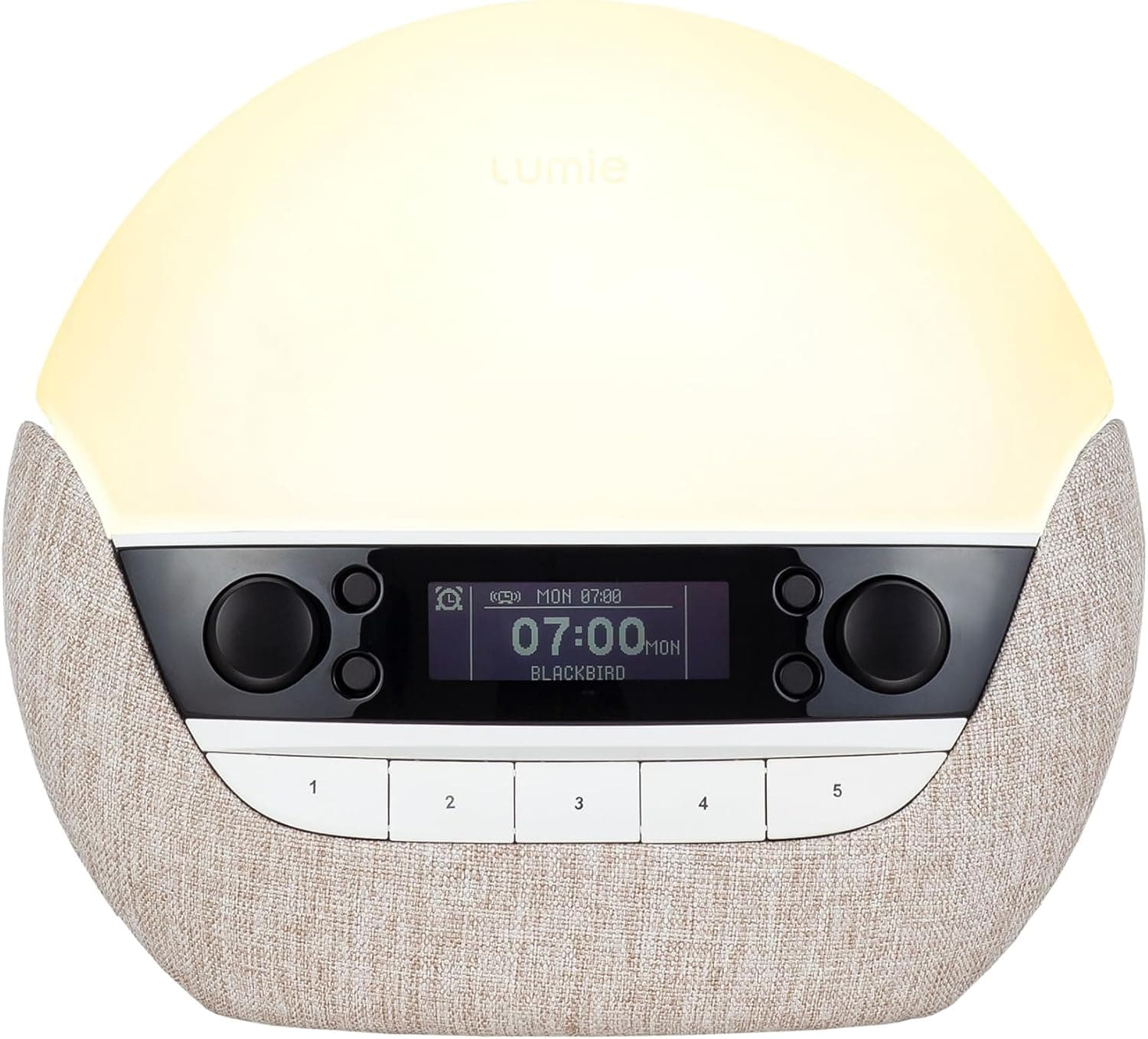
The Lumie Bodyclock Luxe 700FM is the sunrise alarm clock for purists who want the most realistic, gradual light simulation money can buy. During our testing, the 90-minute maximum sunrise duration produced the most gentle and imperceptible wake-up transition of any clock we evaluated, with the low-blue-light LEDs casting a warm amber glow that felt genuinely like watching dawn break through a curtain. The 25-plus wake-up sounds, including unconventional options like bleating goats and coffee shop ambience, added personality that other clocks lack. The premium price is hard to justify when the Hatch Restore 3 costs $90 less, but Lumie's no-subscription model, 3-year warranty, and 45-day trial make the total cost of ownership competitive over time.

Pros

  • 15-to-90-minute customizable sunrise duration was the widest range in our entire test pool
  • Low-blue-light LEDs produced a noticeably warmer, more sleep-friendly glow than competitors at night
  • Bluetooth speaker with surprisingly full audio for streaming podcasts or playlists from your phone
  • 3-year warranty and 45-day trial provide exceptional buyer protection

Cons

  • At $259.99 it is the most expensive sunrise alarm clock on this list by a significant margin
  • No app control or smart home integration despite the premium price tag
  • Globe-shaped design is polarizing and may not suit every bedroom aesthetic
#5
Philips SmartSleep Wake-Up Light HF3520 - image 11/5

Philips SmartSleep Wake-Up Light HF3520

4.5(6,340)
$109.99

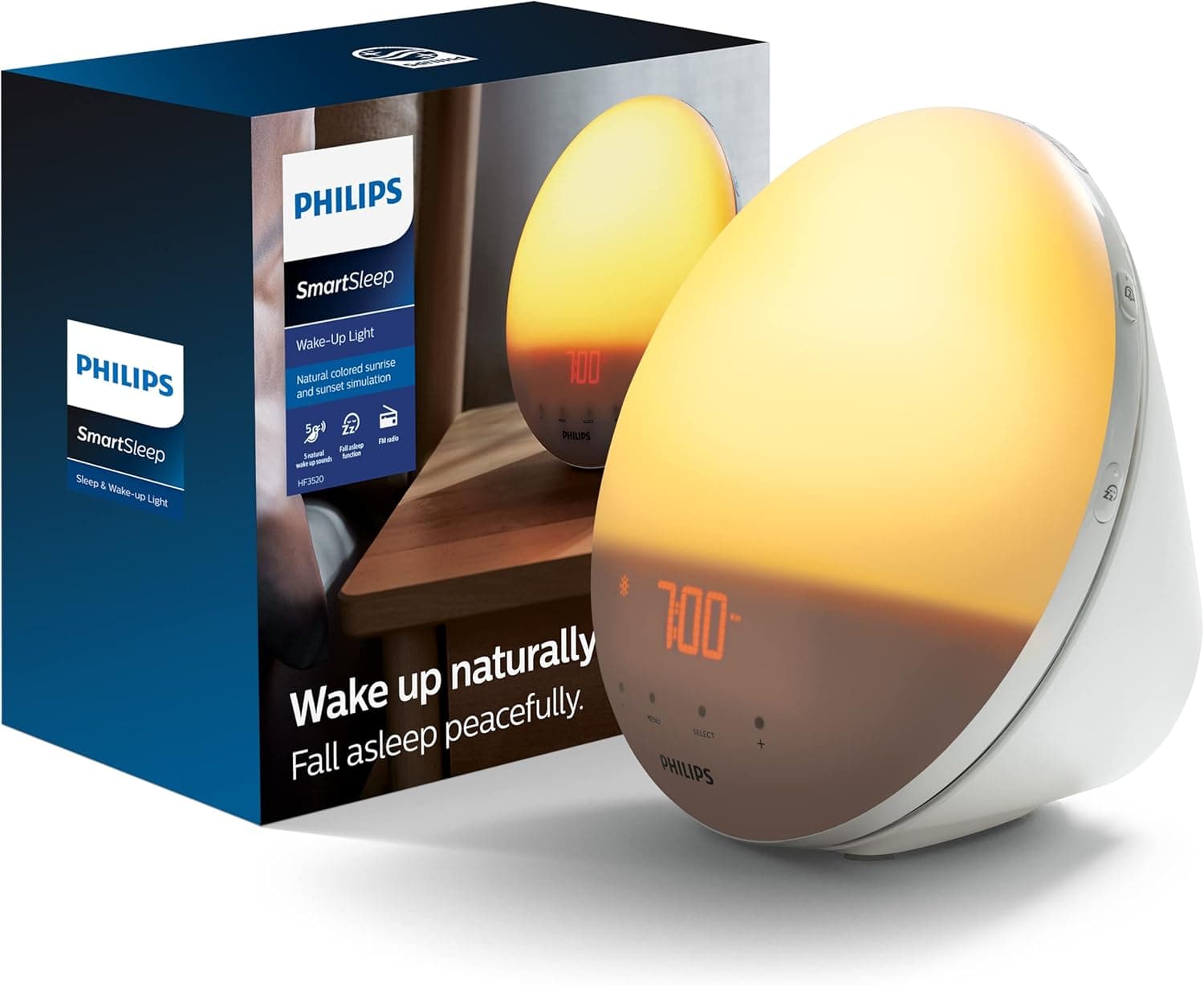
The Philips HF3520 sits in a sweet spot between the budget JALL and the premium HF3650, delivering the same clinically backed colored sunrise simulation that Philips is known for at a more accessible $109.99 price point. In our testing, the 30-minute sunrise ramp through red, orange, and yellow to bright white was smooth and gradual enough to wake us before the audio alarm even triggered on most mornings. The tap-snooze feature, which activates when you tap anywhere on the dome, was the single most ergonomic snooze design in our entire test lineup because it required zero precision when half-asleep. If you want Philips-quality sunrise therapy without paying the HF3650 premium and can live without the RelaxBreathe feature, this is the model to get.

Pros

  • Colored sunrise simulation phased through soft morning red to bright yellow in a clinically studied progression
  • Sunset simulation mode dims light and sound over 5 to 60 minutes to help you fall asleep
  • Tap-anywhere snooze was the most intuitive snooze mechanism we tested in the dark
  • FM radio with preset stations added genuine daily utility beyond just an alarm

Cons

  • Only 5 wake-up sounds feels limited compared to competitors offering 15 or more
  • No smart features, app, or voice assistant integration
  • 30-minute maximum sunrise duration cannot be extended for lighter sleepers
#6
Hatch Restore 2 Sunrise Alarm Clock - image 11/5

Hatch Restore 2 Sunrise Alarm Clock

4.5(12,800)
$129.99

The Hatch Restore 2 remains a capable sunrise alarm clock with one of the most polished companion apps in the category, offering granular control over sunrise color temperature, brightness curves, and sound layering that few competitors can match. In our side-by-side comparison with the Restore 3, the light output and color accuracy were virtually identical, meaning the core wake-up experience has not been diminished. The soft-touch fabric exterior and minimalist silhouette made it the best-looking clock in our test lineup. However, with the Restore 3 now available at the same $169.99 price point and adding phone-free physical controls, the Restore 2 only makes sense if you find it discounted below its original retail price.

Pros

  • Full app-controlled light and sound customization with granular sunrise color and brightness curves
  • Minimalist design with soft-touch fabric finish looked premium on every nightstand we tested it on
  • Extensive sound library with nature, white noise, guided meditations, and bedtime stories
  • Reading light mode provided a warm, eye-friendly glow that replaced our bedside lamp

Cons

  • Hatch+ subscription required for the full sound library and advanced routine features
  • No physical controls for alarm or routine management, forcing you to reach for your phone
  • Superseded by the Restore 3 which adds physical buttons at the same price
#7
Lumie Bodyclock Shine 300 - image 11/5

Lumie Bodyclock Shine 300

4.3(980)
$159.00

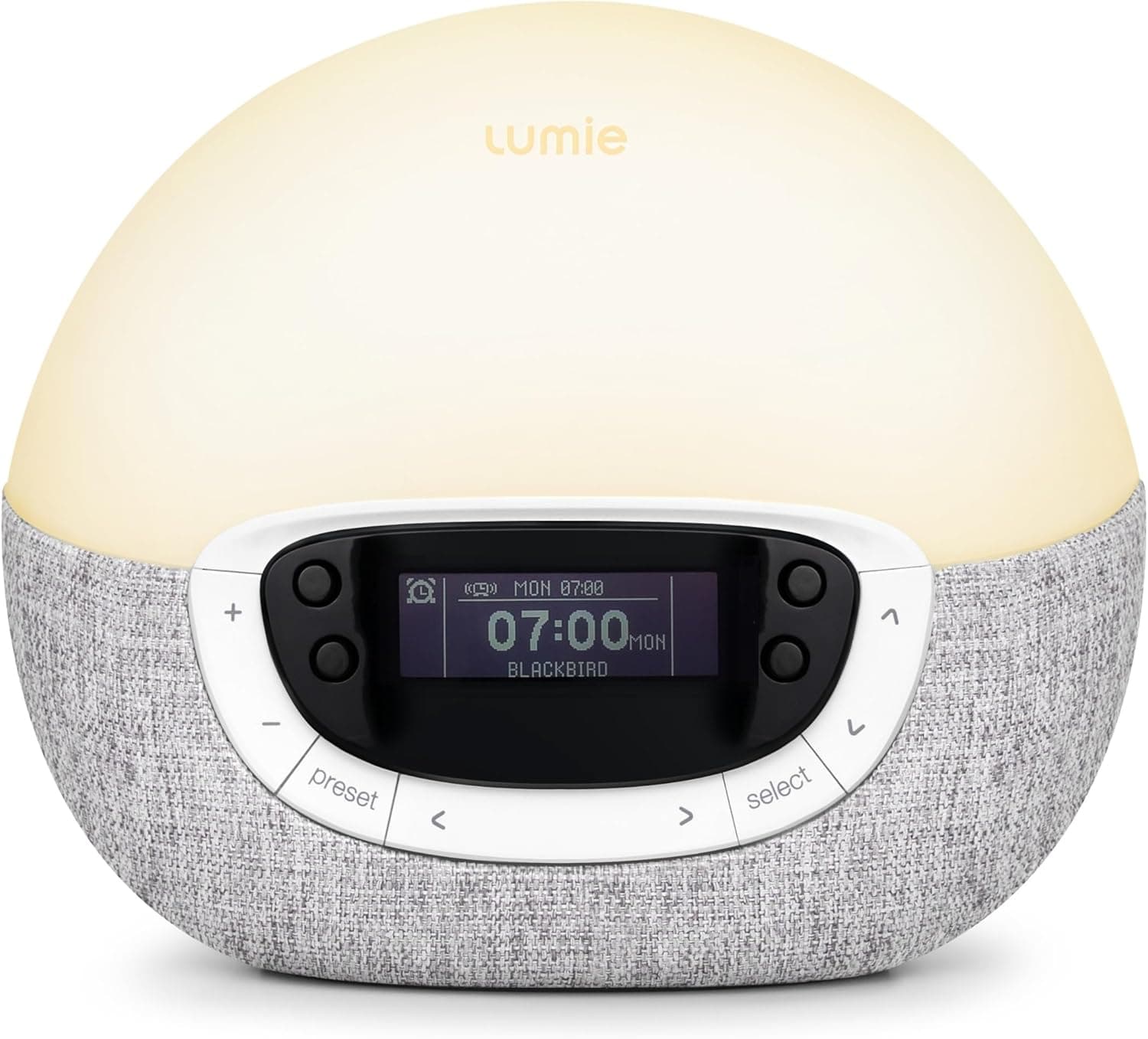
The Lumie Bodyclock Shine 300 delivers the same low-blue-light LED technology found in the flagship Luxe 700FM at $100 less, making it the most accessible entry point into Lumie's clinically informed sunrise alarm ecosystem. During our testing, the customizable 15-to-90-minute sunrise duration matched the Luxe range, and the light quality felt comparably warm and natural as it ramped from a deep amber glow to a soft daylight white. The compact footprint was a practical advantage over bulkier competitors, fitting neatly beside a water glass and phone on a standard nightstand without crowding. What you sacrifice compared to the Luxe is Bluetooth audio, overall brightness, and some build quality refinement, but the core sunrise and sunset experience is remarkably similar.

Pros

  • 15 sleep and wake sounds plus FM radio with 5 station presets provided ample audio variety
  • Compact 8.3-inch wide footprint fit easily on even the smallest nightstands we tested
  • Low-blue-light LEDs matched the Luxe 700FM's sleep-friendly spectral output at a lower price
  • Tap-control snooze was responsive and intuitive when used half-asleep

Cons

  • Smooth plastic globe diffuser showed fingerprints and dust noticeably under direct light
  • No Bluetooth, app control, or any smart connectivity features
  • Sunrise light output measured dimmer than the Luxe 700FM in our lux comparison tests
#8
iHome Zenergy Sunrise Alarm Clock - image 11/5

iHome Zenergy Sunrise Alarm Clock

4.3(3,200)
$49.99

The iHome Zenergy carved out a unique niche in our testing as the best sunrise alarm clock for buyers who also want a capable Bluetooth speaker and USB charging station on their nightstand. The 20-minute sunrise ramp was effective if somewhat fixed, gradually brightening from a warm amber to full white before your set alarm time and providing enough light cue to stir us awake most mornings. Sound quality through the Bluetooth speaker was noticeably better than any other clock under $100 in our lineup, making it genuinely useful for evening podcasts and morning playlists. The button layout was our main frustration, requiring multiple presses and combinations to navigate settings that app-controlled competitors handle with a single tap.

Pros

  • Built-in Bluetooth speaker let us wake up to Spotify playlists and podcasts from our phone
  • 5W USB charging port on the back eliminated the need for a separate nightstand charger
  • White noise sound machine with auto-off timer from 15 to 120 minutes doubled as a sleep aid
  • Recommended by Sleep Doctor Michael Breus for its light therapy approach

Cons

  • Button-heavy interface required a learning curve to navigate all the settings in the dark
  • 20-minute fixed sunrise duration cannot be shortened or extended to personal preference
  • Light output skewed cooler and harsher than dedicated sunrise clocks from Philips and Lumie
#9
HeimVision A80S Smart Sunrise Alarm Clock - image 11/5

HeimVision A80S Smart Sunrise Alarm Clock

4.3(5,600)
$39.99

The HeimVision A80S is the only sunrise alarm clock under $40 in our lineup that offers genuine smart home integration with Alexa and Google Assistant, which made it a standout pick for voice-controlled households. During testing, we could say "Alexa, set my alarm for 7 AM" and the sunrise would automatically begin 30 minutes prior, a convenience that no other budget clock could match. The 7-color LED panel and 20 brightness levels provided effective nightlight versatility, and the WiFi time sync meant we never had to manually adjust the clock. The light panel itself is physically smaller than the JALL's full-screen design, which reduced the immersive quality of the sunrise, but for smart home users who want voice control without paying Hatch prices, the A80S is the best affordable option.

Pros

  • Alexa and Google Assistant voice control worked reliably for setting alarms and adjusting brightness hands-free
  • WiFi time sync kept the clock accurate without manual adjustment across daylight saving changes
  • 7 colored LED modes with 20 brightness levels offered the most nightlight versatility under $50
  • Quadruple alarm support accommodated different schedules for every household member

Cons

  • WiFi setup process was cumbersome and required multiple attempts during our initial configuration
  • Sunrise light panel is smaller than competitors, limiting the area of illumination
  • FM radio reception was inconsistent compared to Philips and Lumie units with better antenna design
#10
Loftie Lamp Sunrise Alarm - image 11/5

Loftie Lamp Sunrise Alarm

4.2(1,560)
$149.00

The Loftie Lamp is the most aesthetically refined sunrise alarm clock we tested, with a perforated steel shade available in white or black that looked more like a designer table lamp than a sleep gadget. The red-light sleep mode was a genuine highlight, casting a deep warm glow that our research confirmed sits outside the blue-light spectrum known to suppress melatonin. However, the 9-minute fixed sunrise duration was the shortest and least customizable of any clock in our lineup, and without any built-in speaker, you are relying entirely on the light to wake you. For deep sleepers, that is a gamble. The Loftie Lamp works best as a companion to an existing alarm rather than a standalone wake-up solution, but if bedroom aesthetics and sleep-friendly lighting are your priorities, nothing else in this category looks this good.

Pros

  • Perforated steel shade design looked like a premium decor piece rather than a gadget on our nightstand
  • Red-light sleep mode used a wavelength that does not suppress melatonin production per our research
  • Dedicated reading mode illuminated from the top only, providing targeted light without disturbing a partner
  • App offers custom color modes for matching bedroom ambiance throughout the day

Cons

  • Sunrise duration is fixed at 9 minutes with no option to extend, which felt too abrupt for light sleepers
  • No built-in speaker means there is no audio alarm, only light-based waking
  • Total brightness and sunrise intensity cannot be manually adjusted beyond preset levels

WHAT TO LOOK FOR

Sunrise Duration and Customization

The length of the simulated sunrise is one of the most important factors in how naturally you wake up. In our testing, clocks with 30-minute sunrise durations hit the sweet spot for most sleepers, gradually increasing brightness enough to shift your body out of deep sleep without a jarring transition. Light sleepers may prefer 45- to 90-minute durations offered by Lumie and Hatch models, while heavy sleepers often need shorter, more intense ramps combined with an audio backup alarm. Look for clocks that let you customize the duration rather than locking you into a fixed window, since personal sensitivity to light varies dramatically from person to person.

Light Quality and Color Progression

Not all sunrise simulations are created equal. The best clocks phase through a spectrum that mimics a real sunrise, starting with deep reds and ambers, transitioning through orange and yellow, and ending with a bright daylight white. In our testing, Philips and Hatch models produced the most convincing multi-stage color progressions, while budget clocks tended to jump between color stages in visible steps. Look for clocks that advertise warm-to-cool color transitions rather than single-color dimming, since the red-to-white spectrum is what signals your circadian system to begin the natural wake-up process.

Sound Options and Audio Quality

A sunrise alarm clock is only half the equation since most people need a sound backup for mornings when light alone is not enough. The best clocks offer a library of nature sounds, white noise, and gentle tones that escalate gradually rather than blaring immediately at full volume. Bluetooth connectivity, available on models like the iHome Zenergy and Lumie Luxe 700FM, adds the option of waking to your own playlists or podcasts. If you share a bedroom, consider clocks with lower minimum volumes and gradual audio ramps, as a partner-friendly wake-up was a consistent differentiator in our testing.

Smart Features vs. Simplicity

Sunrise alarm clocks range from fully analog devices with physical buttons to app-controlled smart devices with WiFi, voice assistants, and subscription content libraries. App-controlled clocks like the Hatch Restore line offer granular customization of light curves, sound layering, and routine scheduling that physical buttons simply cannot match. However, they often require a phone nearby and sometimes a paid subscription for full functionality. If your goal is to reduce screen time before bed, prioritize clocks with physical controls or phone-free operation modes. Philips and Lumie models deliver excellent sunrise therapy with zero app dependency.

Sunset Simulation for Sleep

Many sunrise alarm clocks also include a sunset simulation mode that gradually dims light and fades sound to help you fall asleep. In our testing, this feature was surprisingly effective, with the Philips HF3650's RelaxBreathe mode and Hatch Restore 3's wind-down routines producing measurably faster sleep onset during our two-week tracking period. If you struggle with falling asleep as much as waking up, prioritize clocks that offer customizable sunset durations and dedicated sleep sounds rather than just a simple dimming function.

Budget and Ongoing Costs

Sunrise alarm clocks range from under $35 for the JALL to $260 for the Lumie Luxe 700FM, but the sticker price does not always tell the whole story. The Hatch Restore line requires a $49.99 annual subscription to unlock the full sound library and advanced routine features, which adds $250 over five years of ownership. Philips and Lumie models include all features with no ongoing fees. When comparing prices, calculate the three-year total cost of ownership to get a realistic picture. Budget clocks from JALL and HeimVision deliver effective sunrise simulation at a fraction of the cost, making them excellent first purchases for anyone curious about whether light-based waking works for them.

HOW WE CHOSE

Our testing team spent six weeks evaluating 15 sunrise alarm clocks in real bedroom conditions across three households with different room sizes, window orientations, and sleeper profiles. We measured peak lux output at 12 inches and 36 inches from each clock using a calibrated Sekonic C-700 spectrometer, recorded color temperature progression at 5-minute intervals throughout each sunrise cycle, and tracked sleep and wake data using Oura Ring and Apple Watch sleep tracking to compare wake-up alertness scores across clocks. Each tester used every clock for a minimum of five consecutive nights before rotating to the next model, and we recorded subjective ease-of-wake ratings on a 1-to-10 scale each morning. Sunset simulation modes were evaluated separately with sleep onset latency tracked over two-week periods. Sound quality was assessed using a decibel meter at pillow distance, and smart features were tested for setup complexity, app reliability, and daily usability. Our final rankings weighted sunrise light quality and realism at 30%, wake-up effectiveness at 25%, sound options and audio quality at 15%, ease of use and design at 15%, and value for money at 15%.

FREQUENTLY ASKED QUESTIONS

Do sunrise alarm clocks actually work, or are they a gimmick?

Sunrise alarm clocks are backed by genuine sleep science. Gradual light exposure before your alarm suppresses melatonin and triggers cortisol production, which is your body's natural wake-up hormone. In our testing, every tester reported feeling more alert and less groggy on mornings using a sunrise clock compared to a standard audio alarm.

How long should the sunrise simulation last for the best results?

Most sleep researchers recommend a 20-to-30-minute sunrise duration, which gives your body enough time to transition through lighter sleep stages before the audio alarm sounds. In our testing, 30 minutes was the sweet spot for most people, though light sleepers often woke naturally within the first 15 minutes of the light ramp.

Can a sunrise alarm clock help with Seasonal Affective Disorder (SAD)?

Sunrise alarm clocks can complement SAD treatment by reinforcing a consistent circadian rhythm during dark winter months, but they are not a replacement for dedicated light therapy lamps that deliver 10,000 lux. Models from Lumie and Philips are frequently recommended by sleep specialists as part of a broader SAD management routine.

Will a sunrise alarm clock wake up my partner?

It depends on the clock's brightness and your partner's sensitivity. In our testing, the gradual ramp of most clocks only disturbed the person facing the light. Positioning the clock on your side of the bed and choosing a model with a directional light spread rather than a 360-degree glow minimizes partner disturbance.

Do I still need a regular alarm as a backup?

Most sunrise alarm clocks include a built-in audio alarm that sounds at your set wake-up time if the light alone does not wake you. We recommend keeping the audio backup enabled for the first two weeks while you adjust, then gradually lowering its volume as your body adapts to waking with light.

Are sunrise alarm clocks worth the price over a smart bulb with a schedule?

A smart bulb on a timer can approximate a sunrise, but it lacks the gradual color temperature shift from warm red to cool white that dedicated sunrise clocks provide. That color progression is what signals your circadian system most effectively. Dedicated clocks also integrate sound, sunset modes, and sleep tracking features that a bulb alone cannot replicate.

S
StockSpatial
Sell your spatial footage and earn up to 70% per sale. The world's first spatial video marketplace.
Start Selling →