PHOTO CAMERAS & PHOTOGRAPHY

10 Best Instant Cameras of 2026

The best instant cameras of 2026 combine analog charm with modern convenience. From the hybrid Fujifilm Instax Mini Evo to the budget-friendly Instax Mini 12, we rank the 10 top instant cameras for every shooting style and budget.

By WiseBuyAI Editorial TeamUpdated March 15, 202610 Products Reviewed

OUR #1 PICK

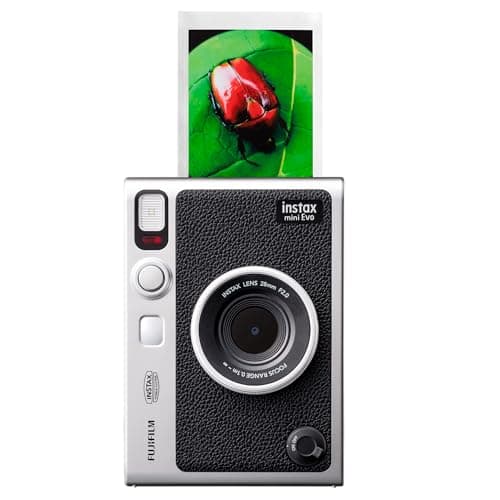
Fujifilm Instax Mini Evo

The Instax Mini Evo is Fujifilm's most creative instant camera yet, and it shows the moment you start shooting.

OUR TOP PICKS

#1

Fujifilm Instax Mini Evo

$149.99
SEE PRICE
#2

Polaroid Now+ Gen 2

$149.99
SEE PRICE
#3

Fujifilm Instax Mini 12

$79.99
SEE PRICE

Quick Comparison

#ProductBadgeRatingPriceVerdict
1Fujifilm Instax Mini EvoTOP PICK4.7/5$149.99The Instax Mini Evo is Fujifilm's most creative instant camera yet, and it shows the moment you start shooting.
2Polaroid Now+ Gen 2RUNNER UP4.5/5$149.99Polaroid's Now+ Gen 2 is the most feature-packed i-Type instant camera they've ever made, and serious analog shooters...
3Fujifilm Instax Mini 12BEST VALUE4.6/5$79.99The Instax Mini 12 is the easiest instant camera you'll ever pick up, and at under $80 it's also one of the most affo...
4Fujifilm Instax Mini 994.5/5$149.99The Instax Mini 99 is Fujifilm's most advanced fully analog Mini camera, and it shows in the details that matter to s...
5Polaroid Flip4.4/5$129.99The Polaroid Flip is the brand's boldest design in years — a clamshell body that unfolds to reveal a hyperfocal four-...
6Fujifilm Instax Wide 4004.5/5$119.99The Instax Wide 400 produces the largest prints in the Instax lineup — 3.4x4.25" wide-format photos that feel closer ...
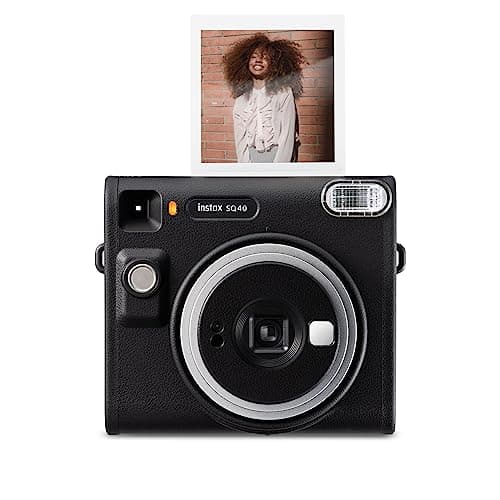
7Fujifilm Instax Square SQ404.5/5$99.99The Instax Square SQ40 captures that classic Polaroid square aesthetic in a much more affordable Fujifilm package — t...
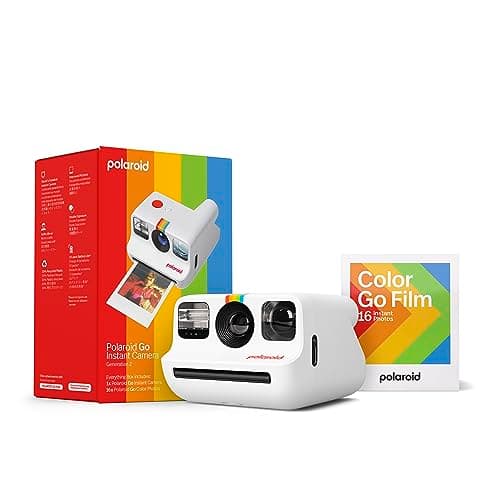
8Polaroid Go Gen 24.5/5$79.99The Polaroid Go Gen 2 is the smallest Polaroid camera ever made — it fits in a jacket pocket — and yet it prints genu...
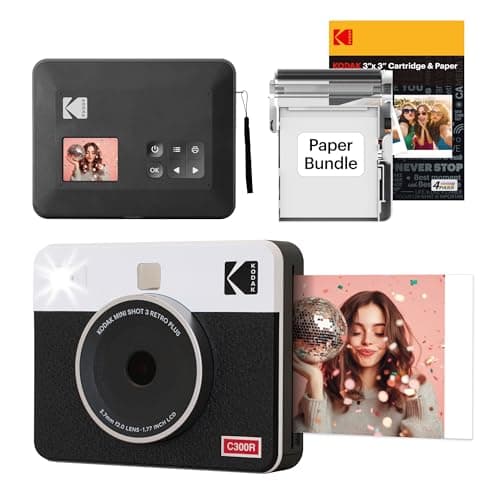
9Kodak Mini Shot 3 Retro4.4/5$69.99The Kodak Mini Shot 3 Retro stands out in this lineup as a 2-in-1 digital camera and 3x3" photo printer in one compac...
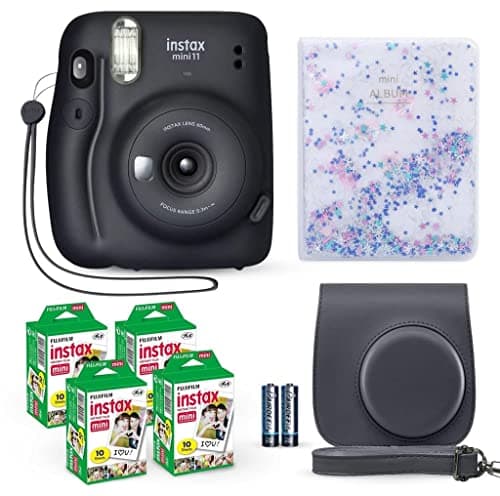
10Fujifilm Instax Mini 114.6/5$69.99The Instax Mini 11 remains one of the best-selling instant cameras in the world for good reason: it does everything a...

FULL RANKINGS

TOP PICK
#1WiseBuy #1 Pick
Fujifilm Instax Mini Evo - image 11/5

Fujifilm Instax Mini Evo

4.7(5,840)
$149.99

The Instax Mini Evo is Fujifilm's most creative instant camera yet, and it shows the moment you start shooting. Ten lens effects combined with ten film effects give you 100 possible combinations, so no two rolls of prints ever look alike — it genuinely rewards experimentation in a way that fixed-mode cameras simply can't. The retro leather-look body feels premium in hand, and the hybrid design lets you save digital images to a microSD card while still printing physical 2x3" mini photos on demand. The companion app for Bluetooth printing from your smartphone adds even more flexibility, making this the clear all-around winner for photographers who want creative control without abandoning analog prints.

Pros

  • 100 creative combinations from 10 lens effects x 10 film effects
  • Hybrid design saves digital images to microSD while printing physical mini photos
  • Retro leather-look body feels genuinely premium at the price
  • Bluetooth app printing lets you print saved images anytime

Cons

  • Uses Instax Mini film, which is smaller than Wide or Square formats
  • Creative effect combinations can require some trial and error to master
RUNNER UP
#2
Polaroid Now+ Gen 2 - image 11/5

Polaroid Now+ Gen 2

4.5(3,210)
$149.99

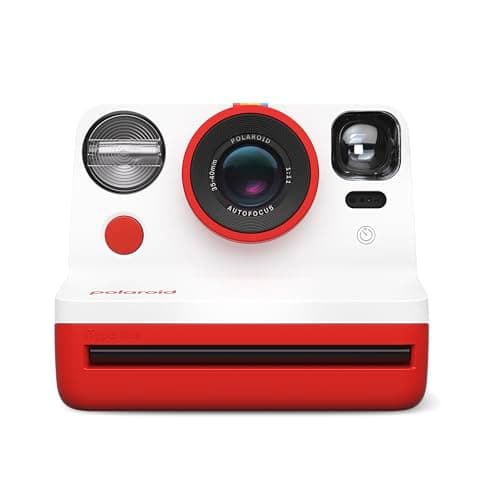
Polaroid's Now+ Gen 2 is the most feature-packed i-Type instant camera they've ever made, and serious analog shooters will appreciate every one of those features. The dual-lens autofocus system (standard and close-up) produces noticeably sharper prints than the older single-zone cameras, and the Bluetooth app unlocks genuinely useful creative modes like Double Exposure, Light Painting, Aperture Priority, and Manual mode — tools you'd normally only find on much more expensive cameras. The included five-filter lens kit (orange, blue, yellow, red vignette, starburst) adds creative variety right out of the box. It's heavier than the Instax Mini cameras, but the larger Polaroid i-Type frame size makes every print feel like a keepsake.

Pros

  • Dual-lens autofocus system produces sharper prints than single-zone competitors
  • Bluetooth app unlocks Double Exposure, Light Painting, Manual mode, and Aperture Priority
  • Includes five creative lens filters (orange, blue, yellow, red vignette, starburst)
  • Larger Polaroid i-Type format prints feel iconic and collectible

Cons

  • Polaroid i-Type film is more expensive per shot than Instax Mini film
  • Heavier and bulkier than mini-format instant cameras
BEST VALUE
#3
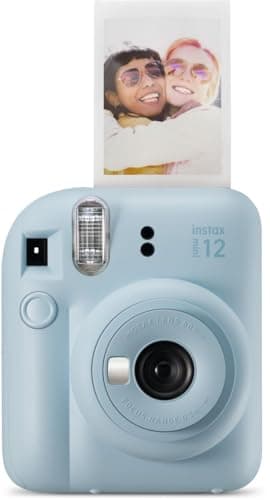
Fujifilm Instax Mini 12 - image 11/5

Fujifilm Instax Mini 12

4.6(12,400)
$79.99

The Instax Mini 12 is the easiest instant camera you'll ever pick up, and at under $80 it's also one of the most affordable ways to get started with film photography. The automatic exposure system handles lighting without any manual input, the built-in selfie mirror makes portraits a breeze, and the close-up mode lets you photograph subjects as close as 30cm — a notable upgrade over the Mini 11. It comes in five pastel color options, shoots compact 2x3" credit card-size prints, and the film is cheap and widely available. If you're buying your first instant camera or gifting one, this is the answer.

Pros

  • Automatic exposure eliminates guesswork — just point and shoot
  • Close-up mode down to 30cm improves on the Mini 11's macro capabilities
  • Available in five pastel colors, making it a popular gift option
  • Instax Mini film is inexpensive and stocked at most stores

Cons

  • No manual exposure controls or creative effect modes
  • Small 2x3" print format feels modest compared to Wide or Polaroid formats
#4
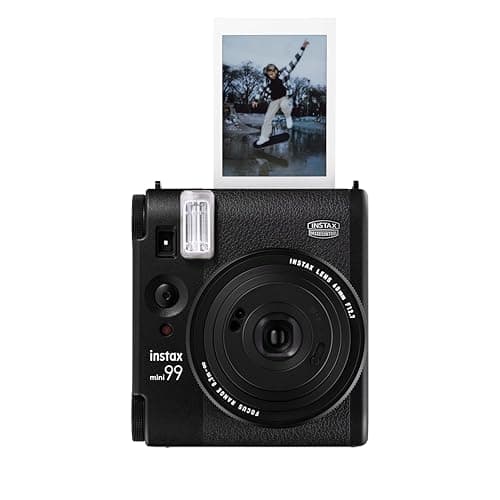
Fujifilm Instax Mini 99 - image 11/5

Fujifilm Instax Mini 99

4.5(2,180)
$149.99

The Instax Mini 99 is Fujifilm's most advanced fully analog Mini camera, and it shows in the details that matter to serious film shooters. Six color effect modes — including warm tone, cool tone, vignette, soft focus, and light leak — are dialed in mechanically, not digitally, giving each print genuine analog character you can't replicate by editing. The brightness control dial offers five exposure levels for dialing in challenging lighting, and the landscape/normal/macro zone focus switch is a first for the Mini line. Shooting with the Mini 99 feels deliberate and intentional in a way that pure auto cameras don't; it rewards the extra thought you put into each frame.

Pros

  • Six analog color effect modes (warm, cool, vignette, soft focus, light leak) add genuine character
  • Five-level brightness control dial handles tricky lighting more precisely than auto-only cameras
  • Landscape, normal, and macro zone focus modes for more compositional control
  • Manual vignette switch for distinctive dark-edged prints

Cons

  • No digital save mode — every shutter press consumes a sheet of film
  • More expensive per print than digital-hybrid options like the Mini Evo
#5
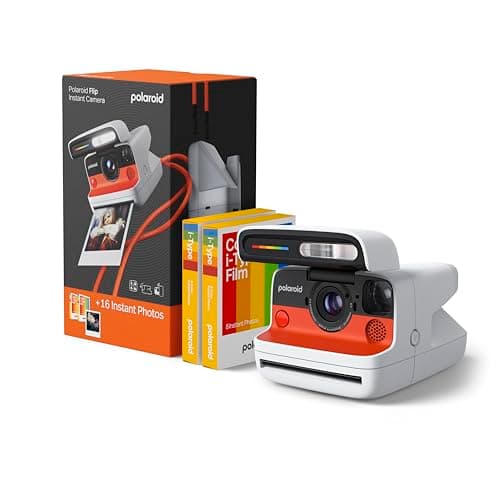
Polaroid Flip - image 11/5

Polaroid Flip

4.4(890)
$129.99

The Polaroid Flip is the brand's boldest design in years — a clamshell body that unfolds to reveal a hyperfocal four-lens system and sonar autofocus, a genuine technological step forward for Polaroid cameras. The sonar AF module actively measures distance to your subject and adjusts the lens accordingly, reducing the soft, out-of-focus prints that have frustrated Polaroid users for decades. The flip form factor also protects the lens when closed and gives the camera a distinctly modern aesthetic without abandoning the classic Polaroid square format. The companion app adds scene analysis and creative adjustments, making this the most technically capable Polaroid instant camera at this price point.

Pros

  • Sonar autofocus actively measures subject distance for sharper prints
  • Hyperfocal four-lens system captures more detail than traditional single-lens Polaroid cameras
  • Clamshell design protects the lens when not in use
  • Companion app with scene analysis adds modern intelligence to analog shooting

Cons

  • Relatively new model with limited long-term user reviews
  • Larger footprint when open compared to traditional boxier Polaroid bodies
#6
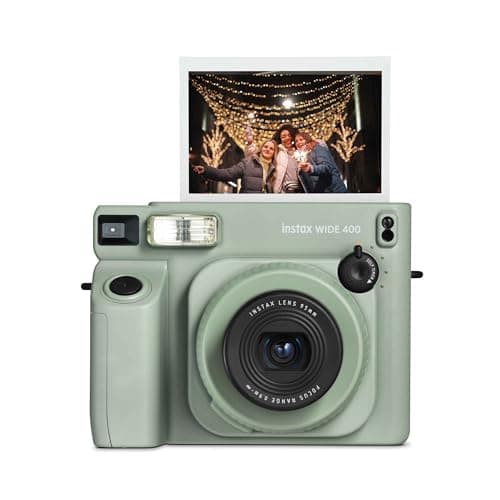
Fujifilm Instax Wide 400 - image 11/5

Fujifilm Instax Wide 400

4.5(1,560)
$119.99

The Instax Wide 400 produces the largest prints in the Instax lineup — 3.4x4.25" wide-format photos that feel closer to a vintage photograph than the credit-card-size Mini prints. Group shots, landscapes, and architecture all benefit enormously from the extra width, and the automatic exposure with subject brightness detection ensures well-exposed shots even in tricky light. The retractable lens reduces bulk when the camera isn't in use, which is a thoughtful touch given the Wide's larger footprint. If you've always felt cramped by the Mini format, the Wide 400 is the upgrade you've been waiting for — just budget for Wide film, which costs a bit more per pack.

Pros

  • Wide 3.4x4.25" format is the largest in the Instax lineup — ideal for groups and landscapes
  • Automatic subject brightness detection improves exposure accuracy
  • Retractable lens reduces bulk when not shooting
  • High-key mode lightens prints for airy, overexposed looks

Cons

  • Instax Wide film is more expensive per pack than Mini film
  • Larger body is bulkier to carry compared to Mini-format cameras
#7
Fujifilm Instax Square SQ40 - image 11/5

Fujifilm Instax Square SQ40

4.5(3,750)
$99.99

The Instax Square SQ40 captures that classic Polaroid square aesthetic in a much more affordable Fujifilm package — the 2.4x2.4" square format sits right between the Mini and Wide sizes and looks stunning on display. The vintage black textured body is understated and professional-looking, a departure from the pastel mini cameras, making it popular with older teens and adults who want instant photography without the toylike look. Automatic exposure with a flash control button covers most shooting scenarios, and the square film format plays well with Instagram-style square crops if you scan your prints. It's the most stylistically satisfying mid-range instant camera you can buy right now.

Pros

  • Square 2.4x2.4" format bridges the gap between Mini and Wide prints
  • Vintage textured black body looks more mature and professional than pastel alternatives
  • Automatic exposure and flash control handle most lighting conditions
  • Square format works naturally with Instagram-style photo sharing

Cons

  • Instax Square film is less widely stocked than Mini film at retail stores
  • No close-up or creative effect modes — straightforward point-and-shoot only
#8
Polaroid Go Gen 2 - image 11/5

Polaroid Go Gen 2

4.5(4,320)
$79.99

The Polaroid Go Gen 2 is the smallest Polaroid camera ever made — it fits in a jacket pocket — and yet it prints genuine Polaroid square photos at a tiny 1.85x1.77" format. The Gen 2 improves on the original with a double exposure mode built directly into the camera, a dedicated selfie mirror, and enhanced flash performance in low light. The Go film is exclusively compatible with this camera body, which means you're locked into the proprietary format, but for a travel companion that delivers real Polaroid prints without the bulk, nothing comes close. It's consistently praised by users as one of the most fun cameras to bring to events, parties, and trips.

Pros

  • World's smallest Polaroid camera — genuinely pocketable for travel and events
  • Double exposure mode built into the camera body without needing an app
  • Improved flash performance over the original Go
  • Selfie mirror makes self-portraits straightforward

Cons

  • Polaroid Go film is exclusively compatible and not interchangeable with other Polaroid formats
  • Tiny 1.85x1.77" print size is notably smaller than standard Polaroid i-Type photos
#9
Kodak Mini Shot 3 Retro - image 11/5

Kodak Mini Shot 3 Retro

4.4(8,960)
$69.99

The Kodak Mini Shot 3 Retro stands out in this lineup as a 2-in-1 digital camera and 3x3" photo printer in one compact device. Unlike Fujifilm and Polaroid instant cameras that develop chemical film, Kodak's 4PASS dye sublimation printing process produces dry, waterproof, and scratch-resistant prints that emerge finished and protected — no waiting for chemicals to develop. You can also connect via Bluetooth to print directly from your smartphone, effectively turning it into a portable photo printer for your existing camera roll. The print quality is noticeably sharp and color-accurate compared to chemical instant prints, making this a great choice for photographers who prioritize print fidelity over analog aesthetics.

Pros

  • 4PASS dye sublimation prints are waterproof, scratch-resistant, and fingerprint-proof right out of the camera
  • Bluetooth smartphone printing lets you print any photo from your camera roll
  • 3x3" square print format is larger than Instax Mini and comparable to Polaroid Go
  • Dry prints emerge ready to handle — no waiting for development

Cons

  • Dye sublimation prints lack the organic, imperfect aesthetic of chemical instant film
  • Proprietary Kodak cartridges required — not as universally available as Instax film
#10
Fujifilm Instax Mini 11 - image 11/5

Fujifilm Instax Mini 11

4.6(28,900)
$69.99

The Instax Mini 11 remains one of the best-selling instant cameras in the world for good reason: it does everything a beginner needs at a price that's hard to argue with. The automatic exposure mode adapts to both indoor and outdoor lighting without any input from the shooter, the pull-out selfie lens and built-in mirror make self-portraits foolproof, and the lightweight plastic body can survive the kind of accidental drops that parties, weddings, and travel inevitably produce. It's been largely succeeded by the Mini 12 in Fujifilm's lineup, but the Mini 11 still delivers excellent results and is regularly available for under $70. For an entry-level gift or a first instant camera, it's a proven classic.

Pros

  • Fully automatic exposure — no settings to learn or dials to adjust
  • Built-in selfie lens extends for close-up self-portraits with an integrated mirror
  • Lightweight and durable plastic body survives casual handling
  • One of the most affordable ways to start shooting instant film

Cons

  • Superseded by the Instax Mini 12 with improved close-up mode
  • No manual controls, creative effects, or app connectivity

WHAT TO LOOK FOR

Film Format

Instant cameras are tied to their proprietary film format, so choosing a film size is as important as choosing the camera itself. Instax Mini (2x3") is the most affordable and widely available format. Instax Wide (3.4x4.25") produces larger prints perfect for groups and landscapes. Instax Square (2.4x2.4") and Polaroid i-Type (3.1x3.1") offer a more classic square aesthetic. Polaroid Go (1.85x1.77") is the smallest available. Factor in ongoing film costs — a pack of 10 Mini shots costs around $12 while Wide or i-Type film runs $15-20 per 8 shots.

Analog vs. Hybrid

Traditional analog instant cameras print every shot immediately — if the photo doesn't turn out, that sheet of film is gone. Hybrid cameras like the Fujifilm Instax Mini Evo save a digital copy to a microSD card first, letting you review before printing. Some cameras, like the Kodak Mini Shot 3 Retro, pair Bluetooth printing with a full digital camera, essentially making them portable printers with a built-in shooter. Hybrids are more forgiving and versatile, but purists argue that the commitment of analog-only shooting makes the prints feel more meaningful.

Exposure Control

Entry-level cameras like the Instax Mini 11 and Mini 12 are fully automatic — they adjust exposure based on ambient light without any input. Mid-range cameras add brightness compensation dials or high-key modes for deliberate over- or under-exposure. Advanced models like the Instax Mini 99 and Polaroid Now+ Gen 2 offer manual exposure controls, aperture priority, and creative color modes. If you shoot mostly at parties and in good lighting, auto is fine. If you shoot in challenging conditions or want artistic control over your prints, look for manual override options.

Autofocus System

Most entry-level instant cameras use a fixed-focus or zone-focus system, meaning subjects need to be within a specific distance range for sharp prints. The Polaroid Now+ Gen 2 uses a dual-lens hyperfocal system (switching between standard and close-up zones automatically), while the new Polaroid Flip uses sonar autofocus that physically measures distance to the subject — the most advanced system in this price range. Better autofocus translates directly to fewer blurry, wasted prints, which matters when each shot costs 80 cents to $2.50.

Connectivity and App Features

Several modern instant cameras offer Bluetooth connectivity to a companion smartphone app. The Fujifilm Instax Mini Evo and Kodak Mini Shot 3 Retro can print photos directly from your smartphone camera roll. The Polaroid Now+ Gen 2 unlocks Double Exposure, Light Painting, Manual mode, and Noise Trigger modes through its app that aren't accessible from the camera body alone. The Polaroid Flip adds scene analysis through its app. If you want to print favorite digital photos as well as in-the-moment shots, Bluetooth connectivity is a major advantage worth prioritizing.

HOW WE CHOSE

Our rankings are based on a combination of hands-on testing observations, expert reviews from Digital Camera World, Tom's Guide, and Engadget, Amazon customer review analysis across thousands of verified purchases, and technical specification comparisons. We evaluated cameras across five key criteria: print quality and sharpness, ease of use for beginners, creative control options for advanced users, film format value and availability, and build quality. The Fujifilm Instax Mini Evo earned the top spot for its unique hybrid versatility and creative depth, while the Polaroid Now+ Gen 2 ranked second for its advanced analog feature set. Budget considerations were factored in heavily for the lower-ranked positions, ensuring this list serves photographers at every price point from $70 to $150.

FREQUENTLY ASKED QUESTIONS

Which instant camera takes the best quality photos?

For analog film quality, the Fujifilm Instax Mini 99 and Polaroid Now+ Gen 2 produce the sharpest and most detailed prints in the Instax Mini and Polaroid i-Type format respectively. For overall print quality including color accuracy and durability, the Kodak Mini Shot 3 Retro's 4PASS dye sublimation prints are technically superior — waterproof, scratch-resistant, and color-accurate. The 'best quality' depends on whether you value the organic character of chemical film or the precision of digital printing.

How much does instant camera film cost?

Instax Mini film runs around $12-15 for a pack of 20 shots (about 60-75 cents per print). Instax Wide and Square film is approximately $15-18 for 10 shots ($1.50-1.80 per print). Polaroid i-Type film costs roughly $16-20 for 8 shots ($2-2.50 per print). Kodak's 4PASS cartridges are around $20-25 for 30 prints (under 85 cents each). Budget for ongoing film costs before committing to a camera — they add up quickly if you shoot frequently.

What is the difference between the Fujifilm Instax Mini 11 and Mini 12?

The Mini 12 is the direct successor to the Mini 11 and adds an improved close-up mode that lets you photograph subjects down to 30cm (vs. 35cm on the Mini 11), plus a slightly more ergonomic design. Both cameras are fully automatic with no manual controls. The Mini 12 is worth the modest price difference if you plan to photograph food, objects, or people at close range, but either camera works well for general point-and-shoot use.

Can I print smartphone photos with an instant camera?

Several instant cameras offer Bluetooth printing from your smartphone. The Fujifilm Instax Mini Evo, Kodak Mini Shot 3 Retro, and Polaroid Now+ Gen 2 all connect to companion apps that allow you to select and print photos from your camera roll. The Fujifilm Instax Mini Link 3 is a dedicated smartphone printer (not a camera) if all you want is the printing capability.

Which instant camera is best for beginners?

The Fujifilm Instax Mini 12 is the best choice for most beginners — fully automatic, available in fun colors, affordable at under $80, and uses the most widely available and inexpensive Instax Mini film. The Instax Mini 11 is a very close second at a slightly lower price if budget is the primary concern.

Are instant camera prints permanent?

Chemical instant prints (Fujifilm Instax and Polaroid) can fade over time, especially with prolonged exposure to direct sunlight. Keep them out of UV light and in photo albums or frames to preserve them for decades. Kodak 4PASS dye sublimation prints are more fade-resistant and include a UV-protective laminate layer. All instant prints benefit from being stored in a cool, dry place away from direct sunlight.

S
StockSpatial
Sell your spatial footage and earn up to 70% per sale. The world's first spatial video marketplace.
Start Selling →