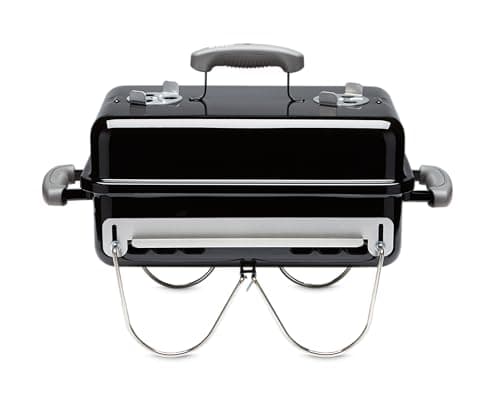
In our blind taste tests, charcoal consistently won for flavor depth and smokiness, followed closely by kamado-style cookers and pellet grills. The natural combustion of charcoal and wood produces complex aromatic compounds that gas simply cannot replicate. That said, the difference was most noticeable on simple foods like steaks and burgers. For dishes with bold sauces, marinades, or heavy seasoning, our testers had difficulty distinguishing between fuel types. If flavor is your top priority and you do not mind the extra effort of lighting charcoal, a Weber Kettle or Kamado Joe will consistently produce the most flavorful results. If convenience matters more, a pellet grill like the Traeger offers a strong compromise between wood-fired flavor and push-button simplicity.
The right budget depends entirely on how often you cook outdoors and what you want to cook. For occasional weekend grilling of burgers, hot dogs, and steaks, the Weber Kettle at $179 or a basic gas grill in the $300-500 range will serve you extremely well for years. If you grill multiple times a week and want features like precise temperature control, smart connectivity, or the ability to smoke low and slow, expect to spend $500-900 on a quality pellet grill or premium gas model. Above $1,000, you are paying for exceptional build quality, advanced features, and equipment that should last a decade or more. Our advice: buy the best grill you can afford in the category that matches your cooking style, because a great grill used frequently is always a better investment than a premium grill that sits unused.
Pellet grills occupy a unique middle ground that appeals to a specific type of cook. They offer the convenience of gas with a flavor profile closer to charcoal. You set a temperature digitally and the grill maintains it automatically, which is transformative for low-and-slow smoking where traditional charcoal smokers require constant monitoring. The trade-off is that pellet grills generally cannot reach the extreme high heat of charcoal for searing, pellets cost more per cook than charcoal or gas, and they require electricity to run the auger and fan. In our testing, pellet grills excelled at smoking and roasting but fell slightly short of charcoal for high-heat grilling. If you love smoking meats and want an approachable, forgiving experience, a pellet grill is absolutely worth it. If you mostly sear steaks and grill burgers, gas or charcoal remains the better fit.
Proper maintenance dramatically extends the life of any grill. After every cook, brush the grates while they are still warm to remove food residue. For gas grills, check burner tubes for blockages every few months and inspect the ignition system annually. For charcoal grills, empty ash after every session since accumulated ash traps moisture and accelerates rust. Ceramic kamado grills should never be cleaned with water inside the firebox as thermal shock can crack the ceramic. For griddles like the Blackstone, apply a thin coat of cooking oil after every use to maintain the seasoning and prevent rust. Cover your grill with a fitted cover when not in use, as UV exposure and rain are the biggest enemies of long-term durability. With basic care, a quality grill should last 10 to 15 years.
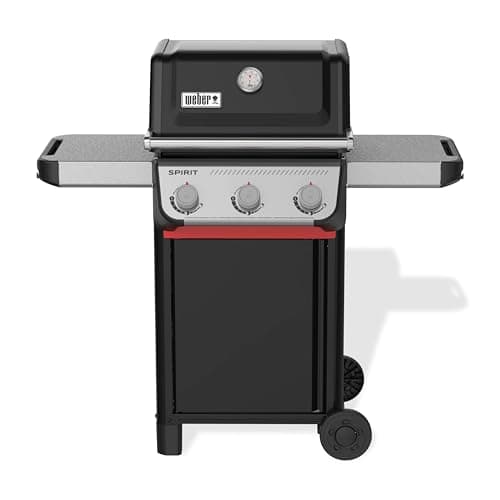
We recommend starting with either the Weber Spirit II E-310 gas grill or the Weber Original Kettle charcoal grill, depending on whether you prefer convenience or flavor. The Spirit II lights instantly, offers intuitive temperature control via knobs, and produces reliably good results with minimal technique. It is the easiest path to a great grilled meal. The Weber Kettle costs significantly less and produces better-tasting food, but requires learning to manage charcoal, vents, and direct versus indirect heat. If you are interested in smoking, the Masterbuilt Digital Electric Smoker is the most forgiving entry point since it requires nothing more than loading wood chips and setting a temperature. Whichever you choose, start with simple recipes like burgers and chicken thighs before attempting large cuts like brisket or whole chickens.

 1/5
1/5