For the majority of users, a mid-range phone like the Samsung Galaxy A55 5G or Google Pixel 8a handles daily tasks — social media, messaging, streaming, web browsing, and casual gaming — without any noticeable compromise. In our testing, the real-world performance gap between a $400 phone and a $1,300 phone was far smaller than the price gap suggests. Where flagships justify their cost is in three specific areas: camera quality (especially low-light and zoom performance), build quality and materials, and raw processing power for demanding tasks like 3D gaming or video editing. If photography is important to you, the jump from a Pixel 8a to a Pixel 9 Pro is significant. If you primarily use your phone for communication and content consumption, a mid-range phone delivers 85-90% of the flagship experience at less than half the price.
With Samsung and Google now offering seven years of software updates for their flagship phones, the software lifespan of an Android phone has never been longer. However, hardware longevity depends on battery health, which typically degrades to 80% capacity after 2-3 years of heavy use. In our experience, most users can comfortably use a well-maintained flagship for 4-5 years before battery degradation, storage limitations, or processor aging becomes genuinely inconvenient. Budget phones may show their age sooner, particularly with processor-intensive apps and games. To maximize longevity, avoid consistently draining your battery below 20% or charging above 80%, use adaptive charging features when available, and keep your phone updated. If you plan to keep your phone for 4+ years, investing in a flagship with longer update support and a more durable build is more cost-effective than replacing a budget phone every 2-3 years.
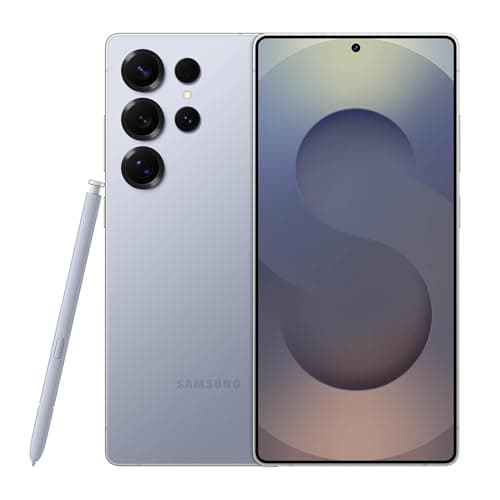
The answer depends on what you shoot most often. In our blind comparison testing, the Google Pixel 9 Pro produced the most consistently excellent photos across all lighting conditions thanks to its computational photography algorithms — it won our overall camera comparison by delivering the most natural exposure, accurate white balance, and balanced HDR processing. The Samsung Galaxy S25 Ultra captured the most detailed images with its 200MP sensor and offered the best zoom capability with its 5x optical telephoto. For video recording, the S25 Ultra edged ahead with superior stabilization and dynamic range. In low light specifically, the Pixel 9 Pro and Galaxy S25 Ultra were extremely close, with the Pixel producing slightly cleaner images and Samsung retaining slightly more detail. If you shoot mostly casual photos in normal conditions, even the budget Pixel 8a produces remarkably good results through software processing. For professional-quality photography, either the Pixel 9 Pro or Galaxy S25 Ultra will serve you exceptionally well.
Charging speed matters more than most people realize until they experience genuinely fast charging. In our testing, the difference was dramatic: the OnePlus 13 went from dead to fully charged in 36 minutes with its 100W charger, while the Google Pixel 9 took over 80 minutes with its 30W charger. In practical terms, fast charging means you can get a meaningful charge during a quick shower before heading out — 10 minutes of 100W charging gave us roughly 40% battery. However, there are trade-offs: faster charging generates more heat, which can accelerate battery degradation over time, though modern phones mitigate this with intelligent charging algorithms. If you have a consistent routine of overnight charging, speed is less important. If you frequently forget to charge or need quick top-ups throughout the day, prioritizing phones with 65W+ charging makes a real quality-of-life difference.
Both ecosystems have distinct strengths, and the best choice depends on your priorities. Samsung offers the most feature-rich experience with DeX desktop mode, advanced multitasking with split-screen and pop-up windows, extensive customization options through One UI, and tight integration with Samsung's ecosystem of watches, tablets, and TVs. Google Pixel provides the cleanest, most streamlined Android experience with zero bloatware, the fastest software updates, deeper Google service integration, and AI features like call screening and real-time transcription that feel more natively integrated. In our testing, Samsung phones offered more features out of the box, while Pixel phones offered a more polished and intuitive daily experience. Camera processing philosophy also differs: Samsung tends toward slightly punchier colors and more aggressive HDR, while Pixel favors natural tones and balanced exposure. If you value customization and features, Samsung is the better fit. If you prefer simplicity and software excellence, Pixel is the way to go.
OnePlus has matured significantly as a brand and produces hardware that matches Samsung and Google in build quality, materials, and reliability. In our durability testing, the OnePlus 13 performed comparably to the Galaxy S25 series in drop tests and water resistance. The charging technology is genuinely superior, and the camera system has improved dramatically through the Hasselblad partnership. The main concern with OnePlus is software support: with four years of OS updates compared to Samsung and Google's seven years, your phone will lose software support sooner. OnePlus also has a smaller market presence in the US, which means fewer carrier-specific features, less widespread retail availability for hands-on testing before purchase, and potentially slower customer service response times. However, for the hardware quality and performance you get at the price, OnePlus offers exceptional value. If you upgrade your phone every 2-3 years anyway, the shorter update timeline becomes less relevant, and the savings of $200-400 compared to Samsung and Google flagships are substantial.

 1/5
1/5


