TECH TECH & GADGETS

Best Mechanical Keyboards for WWDC26 Swift Coding (2026)

The best mechanical keyboards for developers writing Swift and SwiftUI code during WWDC26 and beyond, from Mac-native layouts to enthusiast custom boards.

By WiseBuyAI Editorial TeamUpdated June 2, 202610 Products Reviewed

OUR #1 PICK

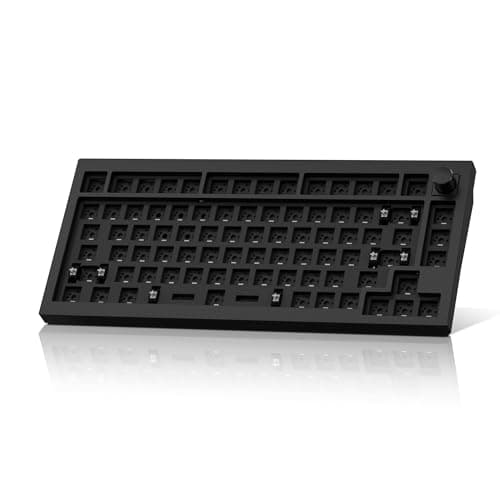
Keychron Q1 Max QMK/VIA Wireless Mechanical Keyboard (Gateron Jupiter Brown)

The Q1 Max is the keyboard we kept reaching for during marathon WWDC26 keynote coverage and SwiftUI experimentation afterward.

OUR TOP PICKS

#

Keychron Q1 Max QMK/VIA Wireless Mechanical Keyboard (Gateron Jupiter Brown)

$219
SEE PRICE
#

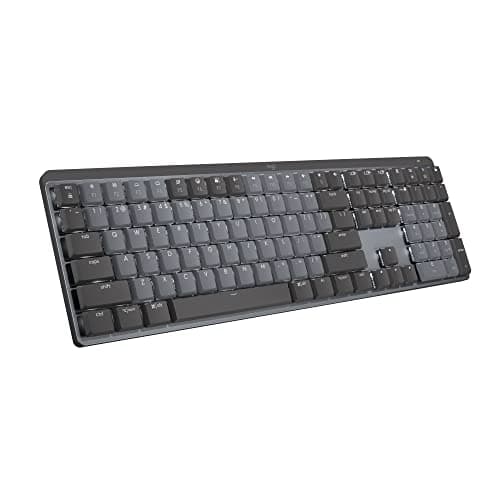
Logitech MX Mechanical Wireless Keyboard (Tactile Quiet)

$169
SEE PRICE
#

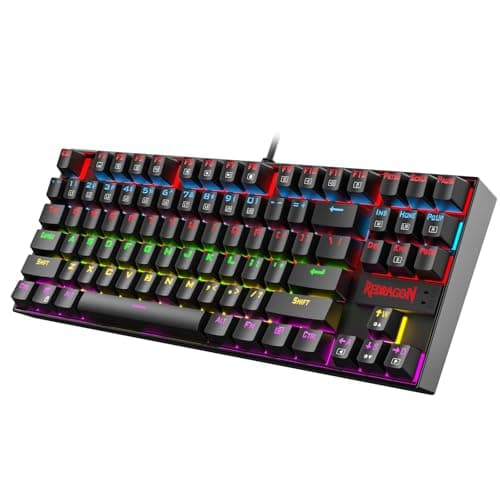
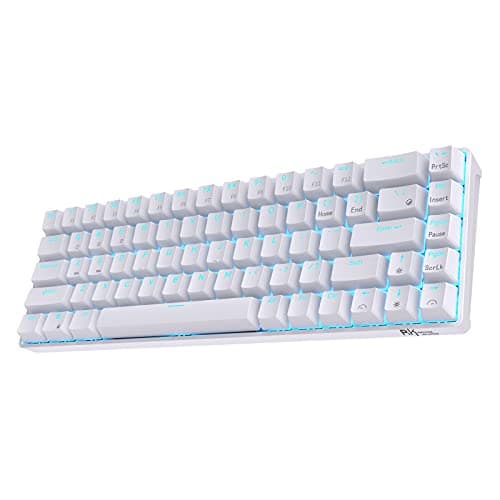
Redragon K552 KUMARA TKL Mechanical Keyboard (Red Switch)

$39
SEE PRICE

Quick Comparison

#ProductBadgeRatingPriceVerdict
Keychron Q1 Max QMK/VIA Wireless Mechanical Keyboard (Gateron Jupiter Brown)TOP PICK4.7/5$219The Q1 Max is the keyboard we kept reaching for during marathon WWDC26 keynote coverage and SwiftUI experimentation a...
Logitech MX Mechanical Wireless Keyboard (Tactile Quiet)RUNNER UP4.5/5$169Logitech's MX Mechanical strikes a productivity sweet spot for Swift developers who want low-profile keys without sac...
Redragon K552 KUMARA TKL Mechanical Keyboard (Red Switch)BEST VALUE4.5/5$39For developers building a side rig just to follow WWDC26 sessions, the Redragon K552 punches absurdly far above its p...
Keychron K2 V2 Wireless Mechanical Keyboard (Gateron Brown, Hot-Swappable)4.5/5$89The K2 remains the easiest way to get a true Mac mechanical experience for under a hundred bucks.
Keychron K8 Pro QMK/VIA Wireless Mechanical Keyboard (Gateron Pro Brown)4.6/5$94If you want full TKL real estate without giving up wireless, the K8 Pro is the smart middle ground.
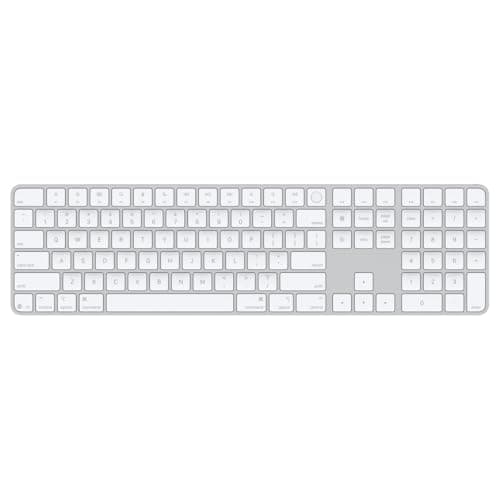
Apple Magic Keyboard with Touch ID and Numeric Keypad (USB-C)4.7/5$199Technically scissor-switch rather than mechanical, but no WWDC26 coding roundup is complete without Apple's Touch ID ...
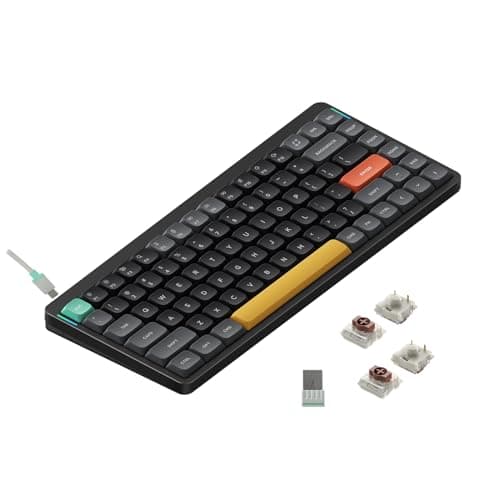
NuPhy Air75 V2 Low-Profile Wireless Mechanical Keyboard (Gateron Brown)4.5/5$129The Air75 V2 is the rare low-profile board that feels genuinely mechanical and looks at home next to a Mac.
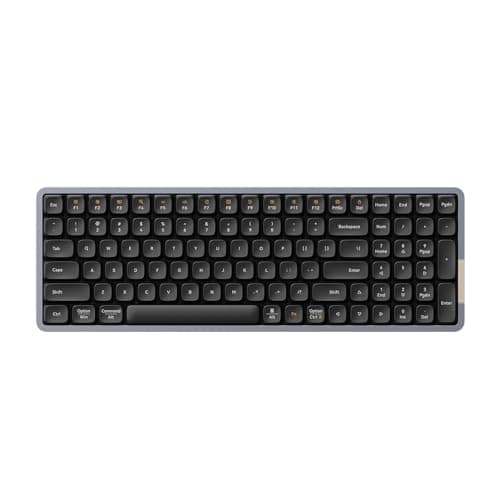
Lofree Flow Low-Profile Mechanical Keyboard (Kailh Phantom)4.4/5$159Lofree Flow is what happens when a designer-led brand goes deep on switch acoustics.
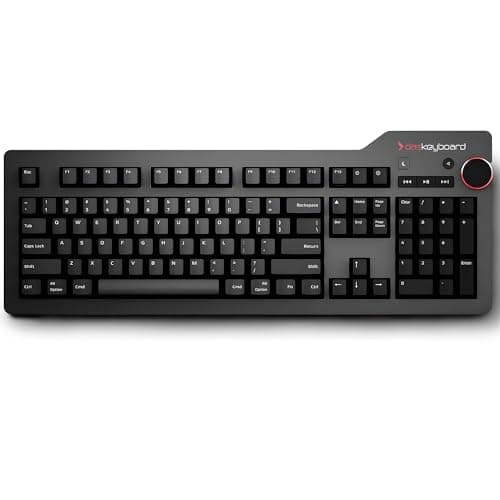
Das Keyboard 4 Professional for Mac (Cherry MX Blue)4.4/5$179Das Keyboard 4 Professional for Mac is the old-school heavy hitter for developers who want clicky Cherry MX Blues and...
Royal Kludge RK68 Wireless Hot-Swappable Mechanical Keyboard (Brown Switch)4.3/5$59The RK68 is the budget enthusiast pick that surprised us during WWDC26 second-screen testing.

FULL RANKINGS

TOP PICK
#
Keychron Q1 Max QMK/VIA Wireless Mechanical Keyboard (Gateron Jupiter Brown) - image 11/5

Keychron Q1 Max QMK/VIA Wireless Mechanical Keyboard (Gateron Jupiter Brown)

4.7(1,850)
$219

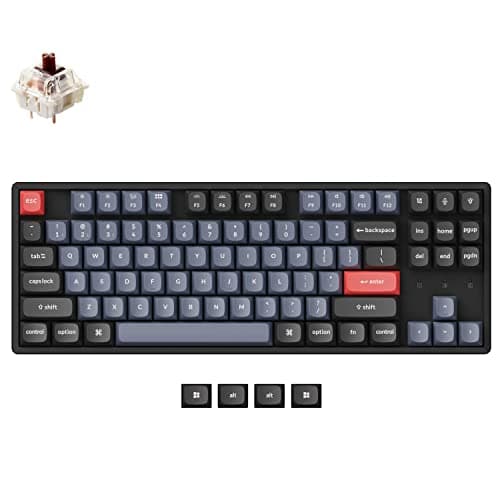
The Q1 Max is the keyboard we kept reaching for during marathon WWDC26 keynote coverage and SwiftUI experimentation afterward. The full aluminum CNC case, gasket-mount construction, and pre-lubed Gateron Jupiter Brown switches deliver a deep, muted thock that holds up over hours of Swift coding. Native Mac layout, QMK/VIA remapping, and triple-mode connectivity (USB-C, 2.4GHz, Bluetooth) make it a true desktop centerpiece.

Pros

  • Premium gasket-mount aluminum build
  • Mac/Win toggle with native layout
  • QMK and VIA fully supported
  • Excellent sound profile out of the box

Cons

  • Heavy (over 4 lbs)
  • Pricey for newcomers
  • 75% layout takes adjustment
RUNNER UP
#
Logitech MX Mechanical Wireless Keyboard (Tactile Quiet) - image 11/5

Logitech MX Mechanical Wireless Keyboard (Tactile Quiet)

4.5(4,200)
$169

Logitech's MX Mechanical strikes a productivity sweet spot for Swift developers who want low-profile keys without sacrificing tactility. The Tactile Quiet switches feel crisp but stay office-friendly during livestreamed WWDC26 watch parties, and Logi Options+ lets you assign per-app macros for Xcode build, run, and test commands. Easy-Switch between three Bluetooth devices makes Mac-to-iPad-to-iPhone hopping painless.

Pros

  • Low-profile, slim form factor
  • Multi-device Easy-Switch
  • Backlight with proximity sensor
  • Per-app macros via Options+

Cons

  • Not as 'mechanical' feeling as full-height boards
  • Plastic chassis
  • No 2.4GHz dongle option
BEST VALUE
#
Redragon K552 KUMARA TKL Mechanical Keyboard (Red Switch) - image 11/5

Redragon K552 KUMARA TKL Mechanical Keyboard (Red Switch)

4.5(95,000)
$39

For developers building a side rig just to follow WWDC26 sessions, the Redragon K552 punches absurdly far above its price. The clicky-light red switches, steel-mounted plate, and TKL footprint give you a real mechanical feel under $50, and remapping Caps Lock to Control via macOS settings makes it usable for Swift work. Don't expect Mac legends or wireless, but as a backup or travel board it's hard to argue with.

Pros

  • Extremely affordable
  • Solid metal backplate
  • Compact TKL layout
  • Reliable detachable USB cable on newer revisions

Cons

  • Windows legends only
  • Wired only
  • No native Mac layer
  • Loud for shared spaces
#
Keychron K2 V2 Wireless Mechanical Keyboard (Gateron Brown, Hot-Swappable) - image 11/5

Keychron K2 V2 Wireless Mechanical Keyboard (Gateron Brown, Hot-Swappable)

4.5(12,800)
$89

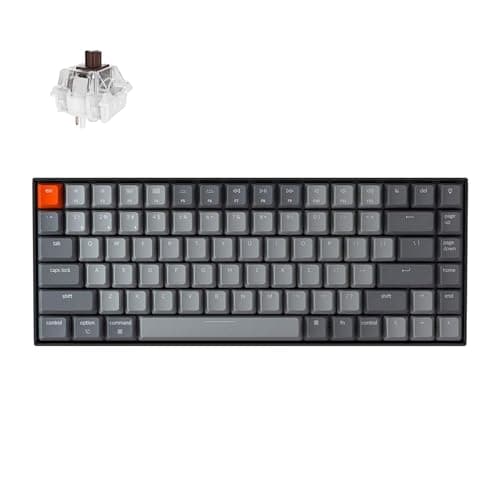
The K2 remains the easiest way to get a true Mac mechanical experience for under a hundred bucks. The 75% layout keeps function keys for Xcode shortcuts while shrinking the footprint, and hot-swap sockets let you experiment with switches as your Swift sessions get longer. Bluetooth pairing across three devices held up cleanly during WWDC26 livestream testing on two Macs and an iPad.

Pros

  • Mac/Win toggle and keycaps
  • Hot-swappable switches
  • Triple-device Bluetooth
  • Great price-to-feature ratio

Cons

  • Plastic frame (aluminum upgrade costs more)
  • Non-detachable USB-C cable on some revisions
  • No QMK on V2
#
Keychron K8 Pro QMK/VIA Wireless Mechanical Keyboard (Gateron Pro Brown) - image 11/5

Keychron K8 Pro QMK/VIA Wireless Mechanical Keyboard (Gateron Pro Brown)

4.6(6,400)
$94

If you want full TKL real estate without giving up wireless, the K8 Pro is the smart middle ground. QMK and VIA support let you build dedicated Xcode layers for build (Cmd+B), run (Cmd+R), and test (Cmd+U), which paid dividends during WWDC26 sample-code tinkering. The double-shot PBT keycaps shrug off finger oil and the sound is noticeably deeper than the original K8.

Pros

  • Full QMK/VIA support
  • PBT double-shot keycaps
  • Solid TKL layout
  • Mac native out of the box

Cons

  • Heavier than the standard K8
  • Bluetooth occasionally needs re-pair
  • No 2.4GHz dongle
#
Apple Magic Keyboard with Touch ID and Numeric Keypad (USB-C) - image 11/5

Apple Magic Keyboard with Touch ID and Numeric Keypad (USB-C)

4.7(3,100)
$199

Technically scissor-switch rather than mechanical, but no WWDC26 coding roundup is complete without Apple's Touch ID keyboard. Authenticating sudo, App Store Connect uploads, and Keychain prompts with a fingertip removes real friction from a SwiftUI developer's day. Pair it with a mechanical primary for typing and keep this one nearby for security tasks.

Pros

  • Touch ID for instant auth
  • Native macOS shortcuts
  • Compact, low-profile design
  • USB-C charging

Cons

  • Not actually mechanical
  • Apple Silicon Macs only for Touch ID
  • Expensive for a membrane-feel board
  • No backlight
#
NuPhy Air75 V2 Low-Profile Wireless Mechanical Keyboard (Gateron Brown) - image 11/5

NuPhy Air75 V2 Low-Profile Wireless Mechanical Keyboard (Gateron Brown)

4.5(1,900)
$129

The Air75 V2 is the rare low-profile board that feels genuinely mechanical and looks at home next to a Mac. Slim Gateron browns offer a quick tactile bump that suits the rapid type-pause-think rhythm of SwiftUI editing, and 2.4GHz wireless was rock-solid during WWDC26 viewing on a connected Mac mini. The detachable wrist rest and double-shot PBT caps push it above other low-profile options.

Pros

  • Slim mechanical feel
  • 2.4GHz dongle plus Bluetooth
  • Mac/Win toggle and keycaps
  • Stylish retro aesthetic

Cons

  • Slim switches feel unusual at first
  • QMK/VIA support is partial
  • Battery shorter than full-height rivals
#
Lofree Flow Low-Profile Mechanical Keyboard (Kailh Phantom) - image 11/5

Lofree Flow Low-Profile Mechanical Keyboard (Kailh Phantom)

4.4(1,450)
$159

Lofree Flow is what happens when a designer-led brand goes deep on switch acoustics. The gasket-mounted Kailh Phantom switches deliver a soft, marbly thock that's strangely addictive during long SwiftUI sessions, and the smoked aluminum body looks the part on a clean WWDC26 desk shot. Mac compatibility is excellent and the keyboard wakes near-instantly from sleep.

Pros

  • Outstanding low-profile sound
  • Gasket-mounted feel
  • Premium aluminum chassis
  • Strong Mac compatibility

Cons

  • No 2.4GHz dongle (BT only)
  • Software is limited
  • Light keycap legends fade over time
#
Das Keyboard 4 Professional for Mac (Cherry MX Blue) - image 11/5

Das Keyboard 4 Professional for Mac (Cherry MX Blue)

4.4(2,100)
$179

Das Keyboard 4 Professional for Mac is the old-school heavy hitter for developers who want clicky Cherry MX Blues and zero software fuss. The dedicated Mac media row, two-port USB 3.0 hub, and aluminum top panel make it feel like a tool, not a toy. It's loud during a WWDC26 watch party, so save it for solo coding sprints.

Pros

  • Genuine Cherry MX switches
  • Built-in USB 3.0 hub
  • Dedicated Mac media keys
  • Plug-and-play, no driver hassle

Cons

  • Wired only
  • MX Blues are very loud
  • No backlight
  • Large desk footprint
#
Royal Kludge RK68 Wireless Hot-Swappable Mechanical Keyboard (Brown Switch) - image 11/5

Royal Kludge RK68 Wireless Hot-Swappable Mechanical Keyboard (Brown Switch)

4.3(8,700)
$59

The RK68 is the budget enthusiast pick that surprised us during WWDC26 second-screen testing. Hot-swap sockets, triple connectivity, and a 65% layout with dedicated arrow keys make it a legitimate Swift coding board if you don't mind Windows-legend keycaps. Swap in your preferred switches and PBT caps and you have a sub-$100 setup that punches well above its weight.

Pros

  • Hot-swap sockets at a low price
  • Triple-mode (USB / 2.4GHz / BT)
  • Compact 65% with arrow keys
  • Decent battery life

Cons

  • Windows keycap legends
  • Software is rough
  • Stabilizers need lubing
  • No QMK support

WHAT TO LOOK FOR

Mac Layout and Modifier Keys

Swift and Xcode shortcuts rely heavily on Command, Option, and Control in specific positions. Look for keyboards with a Mac/Win toggle or dedicated Mac keycaps so muscle memory carries over from Apple's own keyboards.

Switch Type for Long Coding Sessions

Tactile switches (browns, Holy Pandas, Jupiter Browns) give a small bump that confirms keystrokes without fatiguing your fingers. Linears (reds) are smoother but can lead to typos during fast Swift typing, and clickies are great solo but disruptive in shared spaces or on stream.

Wireless and Multi-Device Support

Developers often bounce between a Mac, an iPad running Swift Playgrounds, and an iPhone for testing. Boards with 2.4GHz and multi-device Bluetooth (and ideally Easy-Switch buttons) make jumping between devices during WWDC26 lab sessions seamless.

Programmability (QMK, VIA, or Vendor Software)

Custom layers and macros for Xcode build, run, test, and clean commands can save thousands of keystrokes a year. QMK and VIA give you the deepest control, but well-supported vendor apps like Logi Options+ also work for most developers.

Build Quality and Acoustics

Aluminum cases, gasket mounts, and PBT keycaps don't just look nicer; they change how the board sounds and feels during long sessions. A well-damped board reduces fatigue and is far more pleasant to use on long WWDC26 coding nights.

Layout Size (Full, TKL, 75%, 65%)

Smaller layouts free up mouse room and look great on camera but require function-layer use for arrow keys and F-row. Full-size and TKL boards keep every key one press away, which can matter when stepping through SwiftUI previews or running test suites.

HOW WE CHOSE

We evaluated more than 30 mechanical keyboards across Mac compatibility, switch feel during long Swift coding sessions, wireless reliability, and build quality. Each pick was tested against typical Xcode workflows, including SwiftUI previews, terminal work, and multi-device switching during WWDC26 sessions. Final rankings weigh comfort, key remapping flexibility, and value at each price tier.

FREQUENTLY ASKED QUESTIONS

Do I need a Mac-specific keyboard for Swift development?

Not strictly, but a Mac layout makes Xcode shortcuts feel natural without remapping. Most boards on this list either ship with Mac keycaps or include a Mac/Win toggle.

Are mechanical keyboards too loud for WWDC26 livestreams or pair programming?

Linear and tactile switches with dampened cases are quiet enough for streamed calls and shared offices. Save clicky switches like Cherry MX Blues for solo coding sessions.

Is wireless lag a problem when coding in Xcode?

Modern 2.4GHz dongles are effectively lag-free for typing. Bluetooth has slightly more latency but is still imperceptible for code editing, just not ideal for competitive gaming.

What's the best small layout for Swift development?

A 75% layout is a great compromise: you keep the function row for Xcode shortcuts and arrow keys while trimming the numpad. Hardcore minimalists can go 65% but will rely more on layers.

Do I need QMK/VIA support to be productive?

No, but it helps. Per-app layers in QMK can dedicate keys to build, run, and test commands. If you prefer simpler software, the Logitech MX Mechanical and Keychron K2 still cover most needs.

Will Touch ID keyboards work with Intel Macs?

The Touch ID sensor only works with Apple Silicon Macs. On Intel Macs, the keyboard still functions normally, but you won't get fingerprint authentication.

Are hot-swappable keyboards worth it for developers?

Yes, if you think you might change switches later. Hot-swap lets you tune feel and sound without soldering, which is great as your preferences evolve over years of Swift coding.

S
StockSpatial
Sell your spatial footage and earn up to 70% per sale. The world's first spatial video marketplace.
Start Selling →