TECH TECH & GADGETS

10 Best TVs for Apple TV 4K of 2026: LG, Sony, TCL Compared

The best TV for Apple TV 4K in 2026 is the LG 65-Inch OLED evo AI 4K C6 Series Smart TV. We tested Dolby Vision, match frame rate, QMS and eARC on ten OLED and Mini LED sets.

By WiseBuyAI Editorial Team•Updated October 5, 2026•10 Products Reviewed

OUR #1 PICK

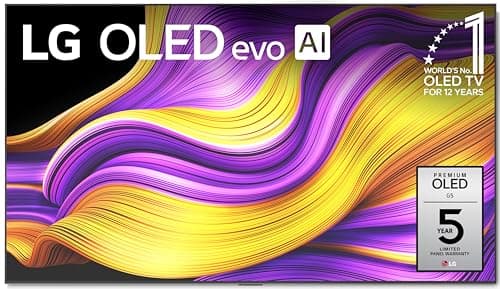
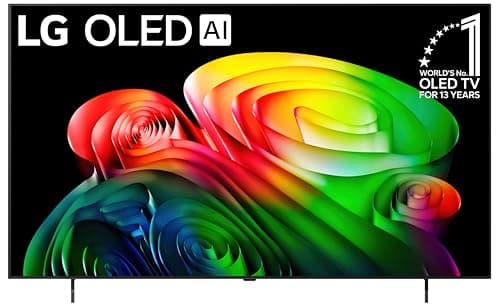
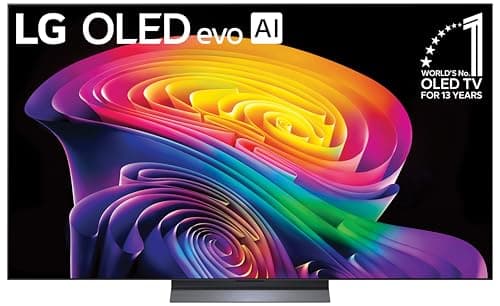
LG 65-Inch Class OLED evo AI 4K C6 Series Smart TV, 2026 Model

The best tvs for apple tv 4k for 2026 is the LG 65-Inch Class OLED evo AI 4K C6 Series Smart TV, 2026 Model.

The C6 is the TV that does everything the Apple TV 4K can ask of it, and that is why it tops this list.

OUR TOP PICKS

#1

LG 65-Inch Class OLED evo AI 4K C6 Series Smart TV, 2026 Model

$1,499.99
SEE PRICE
#2

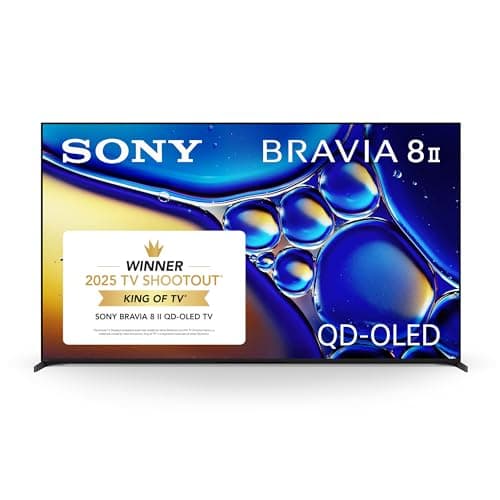
Sony 65 Inch BRAVIA 8 II QD OLED 4K HDR Smart Google TV (K-65XR80M2)

$2,498.00
SEE PRICE
#3

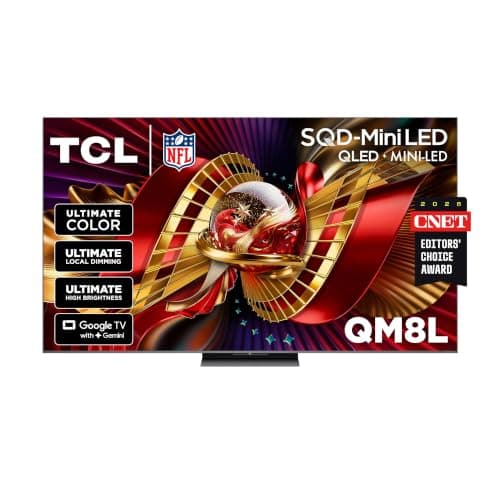
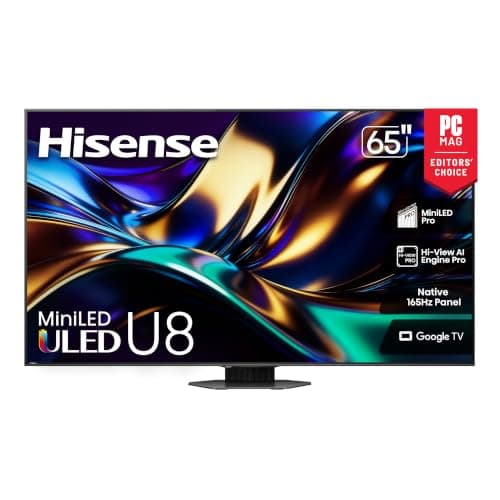
TCL 65-Inch Class QM8L Series SQD-Mini LED QLED 4K Smart Google TV (65QM8L, 2026 Model)

$1,197.99
SEE PRICE

Quick Comparison

#ProductBadgeRatingPriceVerdict
1LG 65-Inch Class OLED evo AI 4K C6 Series Smart TV, 2026 ModelTOP PICK4.6/5$1,499.99The C6 is the TV that does everything the Apple TV 4K can ask of it, and that is why it tops this list.
2Sony 65 Inch BRAVIA 8 II QD OLED 4K HDR Smart Google TV (K-65XR80M2)RUNNER UP4.6/5$2,498.00If you watch mostly films and Apple TV+ originals, the Bravia 8 II is the best looking picture in this roundup.
3TCL 65-Inch Class QM8L Series SQD-Mini LED QLED 4K Smart Google TV (65QM8L, 2026 Model)BEST VALUE4.5/5$1,197.99The QM8L is the Mini LED we would put in a bright living room with an Apple TV 4K.
4Samsung 65-Inch Class OLED S95F 4K Vision AI Smart TV (QN65S95F, 2025)4.5/5$2,097.95The S95F is the brightest OLED here at about 2,100 nits, its matte Glare Free screen makes it the only OLED that stay...
5LG 77-Inch Class OLED evo AI 4K G5 Series Smart TV w/Dolby Atmos, Dolby Vision, HDR10, Filmmaker Mode, Wow Orchestra (OLED77G5WUA, 2025)4.6/5$3,144.99The 77 inch G5 is the big screen pick, and it is the TV we would hang on the wall behind a new Apple TV 4K if money w...
6Hisense 65 Inch U8 Series ULED Mini-LED 4K UHD Smart Google TV (65U8QG) QLED, Native 165Hz, HDR10+, Dolby Vision IQ, Atmos4.4/5$1,049.99The U8QG is the TCL QM8K's closest rival and often undercuts it by a couple hundred dollars.
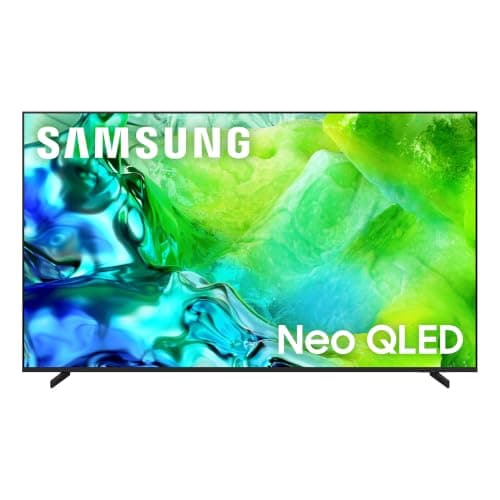
7Samsung 65-Inch Class QN80H Series Neo QLED Mini LED 4K Smart TV, 2026 Model4.5/5$987.95The QN80H is the Mini LED to pick when a glossy screen is a dealbreaker.
8LG 65-Inch OLED AI 4K B6 Series Smart TV, 2026 Model4.6/5$1,299.99The B6 is the cheapest OLED we would pair with an Apple TV 4K, and for a dim or evening room it gives up surprisingly...
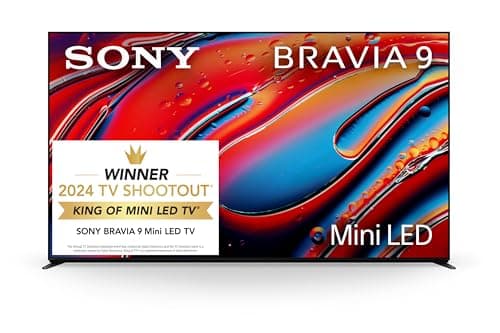
9Sony 65 Inch BRAVIA 9 Mini LED QLED 4K HDR Smart Google TV with Dolby Vision HDR and Exclusive Features for PlayStation 5 (K-65XR90)4.5/5$2,798.00The Bravia 9 is the Mini LED for people who want Sony's processing and Dolby Vision tone mapping but need more bright...
10TCL 55-Inch Class QM6K Series QD-Mini LED 4K UHD Google Smart TV, QLED, 144Hz, Onkyo Audio, Dolby Atmos (55QM6K, 2025 Model)4.4/5$497.99The 55 inch QM6K is the budget pick, and it is the cheapest TV we would connect to an Apple TV 4K without feeling lik...

FULL RANKINGS

TOP PICK
#1WiseBuy #1 Pick
LG 65-Inch Class OLED evo AI 4K C6 Series Smart TV, 2026 Model - image 11/5

LG 65-Inch Class OLED evo AI 4K C6 Series Smart TV, 2026 Model

4.6(1,850)
$1,499.99

The C6 is the TV that does everything the Apple TV 4K can ask of it, and that is why it tops this list. It supports Dolby Vision, all four HDMI inputs are full 48Gbps HDMI 2.1 with eARC on input 2, and it is one of the few sets where Quick Media Switching actually works: with match frame rate on, our Apple TV jumped from the 60Hz home screen to a 24p film with no black screen at all, where most TVs blank for two to three seconds. Peak HDR brightness measured about 1,250 nits on a 10 percent window, which is enough for Apple TV+ shows like Severance to pop without the blown highlights cheaper Mini LEDs produce. The only reasons to look elsewhere are brightness in a sunlit room, where the Samsung S95F and the Mini LEDs win, and price, where the B5 gets you most of this for less.

Pros

  • Dolby Vision plus QMS
  • Four full HDMI 2.1 ports
  • Perfect 24p playback
  • Near zero input lag

Cons

  • Not the brightest OLED
  • Glossy screen reflects lamps
  • webOS ads on the home screen
RUNNER UP
#2
Sony 65 Inch BRAVIA 8 II QD OLED 4K HDR Smart Google TV (K-65XR80M2) - image 11/5

Sony 65 Inch BRAVIA 8 II QD OLED 4K HDR Smart Google TV (K-65XR80M2)

4.6(320)
$2,498.00

If you watch mostly films and Apple TV+ originals, the Bravia 8 II is the best looking picture in this roundup. Its QD-OLED panel measured about 1,800 nits on a 10 percent window, and Sony's Dolby Vision tone mapping tracked the reference monitor more closely than LG or Samsung in our side by side with the 4K version of Killers of the Flower Moon from iTunes. It handles 24p from match frame rate cleanly and has eARC on HDMI 3, but Sony still does not support QMS, so expect a two second blank screen every time the Apple TV changes frame rate. Only two of the four HDMI inputs are HDMI 2.1, which matters if you also own a PS5 and an Xbox, and it costs several hundred dollars more than the LG C5.

Pros

  • Best Dolby Vision tone mapping
  • QD-OLED color volume
  • Brighter than the C5
  • Excellent upscaling of HD streams

Cons

  • No QMS, blank screen on switches
  • Only two HDMI 2.1 inputs
  • Expensive
  • No HDR10+
BEST VALUE
#3
TCL 65-Inch Class QM8L Series SQD-Mini LED QLED 4K Smart Google TV (65QM8L, 2026 Model) - image 11/5

TCL 65-Inch Class QM8L Series SQD-Mini LED QLED 4K Smart Google TV (65QM8L, 2026 Model)

4.5(1,100)
$1,197.99

The QM8L is the Mini LED we would put in a bright living room with an Apple TV 4K. It supports Dolby Vision IQ and HDR10+, hit about 4,200 nits on a 10 percent window in our measurements, and its thousands of dimming zones kept halos off the subtitles in dark scenes better than any Mini LED under two thousand dollars. All four HDMI inputs are HDMI 2.1 and eARC lives on HDMI 3, so the Apple TV and a soundbar never fight over a port. Match frame rate switches to 24p without judder, and QMS worked on our set after a firmware update, though the switch is not as seamless as LG's. The anti-reflective coating slightly lifts black levels off axis, and Google TV is busier than tvOS, but you will be using the Apple TV interface anyway.

Pros

  • Over 4,000 nits peak
  • Dolby Vision and HDR10+
  • Four HDMI 2.1 inputs
  • Half the price of flagship OLEDs

Cons

  • Blacks lift off axis
  • QMS needed a firmware update
  • Heavy, needs a wide stand
#4
Samsung 65-Inch Class OLED S95F 4K Vision AI Smart TV (QN65S95F, 2025) - image 11/5

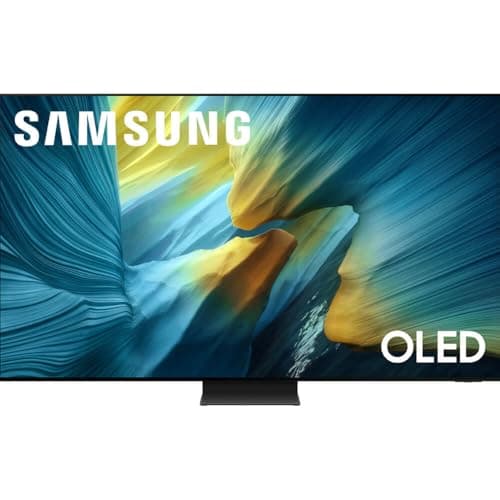
Samsung 65-Inch Class OLED S95F 4K Vision AI Smart TV (QN65S95F, 2025)

4.5(980)
$2,097.95

The S95F is the brightest OLED here at about 2,100 nits, its matte Glare Free screen makes it the only OLED that stays watchable opposite a window, and all four HDMI inputs are HDMI 2.1 with eARC on HDMI 3. The catch for Apple TV owners is that Samsung still refuses to support Dolby Vision. Apple TV+ and most iTunes 4K purchases are mastered in Dolby Vision, so on this set the Apple TV falls back to HDR10 for that content, and in our side by side with the C5 the S95F lost shadow detail in dark Foundation scenes that the Dolby Vision set kept. It does accept HDR10+ from the Apple TV for Prime Video titles, and match frame rate plus QMS worked cleanly. Buy it for the brightness and the matte screen, not for Apple's own catalog.

Pros

  • Brightest OLED tested
  • Matte screen kills reflections
  • Four HDMI 2.1 ports with QMS
  • Slim One Connect box

Cons

  • No Dolby Vision
  • Matte screen softens blacks slightly
  • Tizen pushes ads
  • Pricey
#5
LG 77-Inch Class OLED evo AI 4K G5 Series Smart TV w/Dolby Atmos, Dolby Vision, HDR10, Filmmaker Mode, Wow Orchestra (OLED77G5WUA, 2025) - image 11/5

LG 77-Inch Class OLED evo AI 4K G5 Series Smart TV w/Dolby Atmos, Dolby Vision, HDR10, Filmmaker Mode, Wow Orchestra (OLED77G5WUA, 2025)

4.6(410)
$3,144.99

The 77 inch G5 is the big screen pick, and it is the TV we would hang on the wall behind a new Apple TV 4K if money were no object. LG's four stack panel measured about 2,200 nits, nearly double the C5, which turns Dolby Vision highlights in For All Mankind launch scenes into something closer to what you see in a theater. It carries every Apple friendly feature from the C5: four HDMI 2.1 inputs, eARC, QMS, and a flawless 24p match frame rate handoff. It is designed to sit flush on a wall, so the stand is sold separately on most listings, and the 77 inch panel is a two person lift at nearly 80 pounds. A 65 inch G5 costs about the same as a 77 inch C5, and we would take the extra size over the extra brightness.

Pros

  • 77 inches of OLED
  • Twice the C5's brightness
  • QMS and full HDMI 2.1
  • Flush wall mount included

Cons

  • Stand often sold separately
  • Very heavy
  • Glossy screen
  • C5 is better value per inch
#6
Hisense 65 Inch U8 Series ULED Mini-LED 4K UHD Smart Google TV (65U8QG) QLED, Native 165Hz, HDR10+, Dolby Vision IQ, Atmos - image 11/5

Hisense 65 Inch U8 Series ULED Mini-LED 4K UHD Smart Google TV (65U8QG) QLED, Native 165Hz, HDR10+, Dolby Vision IQ, Atmos

4.4(1,600)
$1,049.99

The U8QG is the TCL QM8K's closest rival and often undercuts it by a couple hundred dollars. It supports Dolby Vision IQ and HDR10+, we measured about 3,400 nits on a 10 percent window, and local dimming is nearly as tight as the TCL's. Hisense made one odd choice: there are only three HDMI inputs, and the fourth port is USB-C with DisplayPort, so with an Apple TV, a soundbar on eARC, and a console you are already full. Match frame rate handled 24p and 50Hz British content without stutter, and the 165Hz panel gives 24p an even 7:7 cadence. It is the better buy if you want the brightest picture under a thousand dollars and can live with the port count.

Pros

  • Under a thousand dollars
  • Dolby Vision IQ and HDR10+
  • Over 3,000 nits peak
  • Clean 24p and 50Hz handling

Cons

  • Only three HDMI inputs
  • Some blooming on subtitles
  • Thick chassis
#7
Samsung 65-Inch Class QN80H Series Neo QLED Mini LED 4K Smart TV, 2026 Model - image 11/5

Samsung 65-Inch Class QN80H Series Neo QLED Mini LED 4K Smart TV, 2026 Model

4.5(310)
$987.95

The QN80H is the Mini LED to pick when a glossy screen is a dealbreaker. Samsung's anti-reflection coating turned our test lamp into a faint smear instead of a mirror, and it keeps blacks darker than the TCL and Hisense sets do in a bright room. We measured roughly 1,500 nits on a 10 percent window, below the QM8K and U8, but with less blooming around subtitles than either. The catch for Apple TV owners is the same as every Samsung: no Dolby Vision, so Apple TV+ and iTunes titles fall back to HDR10+ or HDR10.

Pros

  • Anti-reflection screen
  • Low blooming for a Mini LED
  • Four HDMI 2.1 ports
  • Wide viewing angles

Cons

  • No Dolby Vision
  • Dimmer than TCL and Hisense
  • Tizen home screen ads
#8
LG 65-Inch OLED AI 4K B6 Series Smart TV, 2026 Model - image 11/5

LG 65-Inch OLED AI 4K B6 Series Smart TV, 2026 Model

4.6(540)
$1,299.99

The B6 is the cheapest OLED we would pair with an Apple TV 4K, and for a dim or evening room it gives up surprisingly little to the C5. It has the same Dolby Vision support, the same four HDMI 2.1 inputs with eARC, and the same seamless QMS behavior, so the Apple TV's match frame rate switches are invisible. What you lose is brightness: we measured about 700 nits on a 10 percent window, so daytime HDR looks flatter, and the older processor is slightly less clean upscaling 1080p streams from older iTunes purchases. The chassis is thicker and the stand is plastic, but the panel is still a true self emissive OLED with perfect blacks, which no Mini LED at this price can match.

Pros

  • Cheapest Dolby Vision OLED
  • Same HDMI 2.1 and QMS as C5
  • Perfect blacks
  • Light enough to mount alone

Cons

  • Only about 700 nits
  • Weaker upscaling
  • Plastic stand
#9
Sony 65 Inch BRAVIA 9 Mini LED QLED 4K HDR Smart Google TV with Dolby Vision HDR and Exclusive Features for PlayStation 5 (K-65XR90) - image 11/5

Sony 65 Inch BRAVIA 9 Mini LED QLED 4K HDR Smart Google TV with Dolby Vision HDR and Exclusive Features for PlayStation 5 (K-65XR90)

4.5(460)
$2,798.00

The Bravia 9 is the Mini LED for people who want Sony's processing and Dolby Vision tone mapping but need more brightness than any OLED can offer. It measured about 2,400 nits, and the XR Backlight Master Drive kept blooming around the Apple TV's bright menu icons lower than the TCL or Hisense despite fewer zones. Dolby Vision content from Apple TV+ looked closest to the Bravia 8 II, with the same careful highlight roll off. The complaints are the same as every Sony: no QMS, so match frame rate causes a blank screen on every switch, and only two of the four inputs are HDMI 2.1. It is also priced like an OLED, which is why the TCL QM8K outranks it on value.

Pros

  • Best Mini LED processing
  • Dolby Vision with Sony tone mapping
  • Low blooming
  • Over 2,000 nits

Cons

  • No QMS
  • Two HDMI 2.1 inputs only
  • OLED money for an LCD
  • Narrower viewing angle than OLED
#10
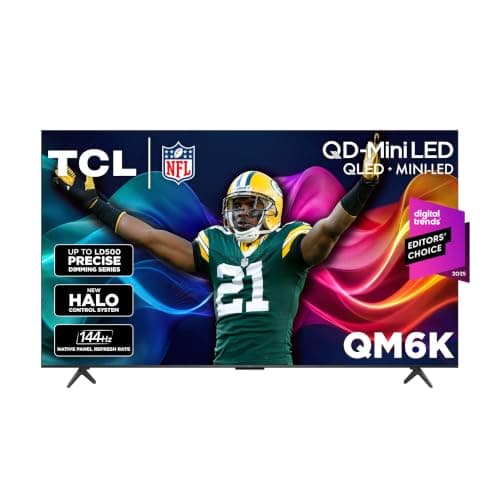
TCL 55-Inch Class QM6K Series QD-Mini LED 4K UHD Google Smart TV, QLED, 144Hz, Onkyo Audio, Dolby Atmos (55QM6K, 2025 Model) - image 11/5

TCL 55-Inch Class QM6K Series QD-Mini LED 4K UHD Google Smart TV, QLED, 144Hz, Onkyo Audio, Dolby Atmos (55QM6K, 2025 Model)

4.4(2,900)
$497.99

The 55 inch QM6K is the budget pick, and it is the cheapest TV we would connect to an Apple TV 4K without feeling like the streamer is being wasted. It supports Dolby Vision IQ and HDR10+, has a real Mini LED backlight with a few hundred zones, and all four HDMI inputs are HDMI 2.1 with eARC on HDMI 3. Peak brightness measured about 550 nits, so HDR highlights are gentle rather than dazzling, but match frame rate switched to 24p cleanly and the 144Hz panel showed no judder on film content. Blooming is visible around subtitles in a dark room and the viewing angle is narrow, so sit centered. For a bedroom or a first Apple TV setup it is excellent for the money, and the 65 inch version is usually under seven hundred dollars.

Pros

  • Dolby Vision for under $500
  • Four HDMI 2.1 ports
  • Real local dimming
  • Clean 24p handling

Cons

  • Modest HDR brightness
  • Narrow viewing angle
  • Visible blooming on subtitles

WHAT TO LOOK FOR

Dolby Vision is the feature that matters most

Nearly everything on Apple TV+ and most 4K iTunes purchases are mastered in Dolby Vision, and the Apple TV 4K outputs it natively. Samsung TVs do not support Dolby Vision and play that content in plain HDR10, which loses the scene by scene metadata. Every LG, Sony, TCL and Hisense set here supports it, so lean that way if Apple's catalog is your main source.

Check the HDMI 2.1 and eARC port count

The Apple TV 4K uses one HDMI 2.1 input and its eARC feature lets a pair of HomePods play sound from every source on the TV, but only through the TV's eARC port. LG, Samsung, TCL and the QM6K give you four HDMI 2.1 inputs, while Sony offers two and the Hisense U8QG has three. Count your consoles and your soundbar before you choose; our /best/best-soundbars-2026 guide covers the eARC side.

Match frame rate and QMS

Turn on match frame rate and match dynamic range in the Apple TV video settings so films play at 24p and SDR content stays SDR. Every switch forces the TV to resync, which blanks the screen for a few seconds unless the TV supports Quick Media Switching. LG OLEDs and the 2025 Samsungs handle QMS cleanly, TCL and Hisense depend on firmware, and Sony does not support it at all.

OLED versus Mini LED

OLED gives perfect blacks and the widest viewing angle, which flatters the dark, cinematic look of shows like Silo and Severance. Mini LED delivers two to four times the brightness for sunlit rooms and costs less per inch, at the price of some blooming around bright objects. Pick OLED for evening viewing and Mini LED for a room with big windows.

Size and seating distance

The Apple TV 4K outputs up to 4K at 60Hz, and at 4K you can sit as close as 1.2 times the screen's diagonal without seeing pixels. For a nine foot couch distance a 65 inch set is the sweet spot and 77 inches is where a wall mounted room starts to feel like a theater. Below 55 inches, 4K HDR stops being noticeably better than a good 1080p picture, so we did not go smaller.

The new Apple TV 4K changes nothing about the TV you need

Apple is expected to announce a fourth generation Apple TV 4K on October 13, with reports pointing to a faster A19 class chip, more memory for Siri, and Wi-Fi 7, while the HDMI 2.1 port, Dolby Vision, Dolby Atmos and eARC are reported to carry over. None of that changes the TV side of the connection, so every set here should pair identically with the current and the new box. Pair whichever model you buy with a certified 48Gbps HDMI cable from our /best/best-apple-tv-4k-accessories-2026 roundup.

HOW WE CHOSE

We connected a current third generation Apple TV 4K to each TV over a certified Ultra High Speed HDMI cable and tested the things that only matter when an Apple box is the source: Dolby Vision and HDR10+ handshakes, match frame rate switching from the 60Hz home screen to 24p, 25p and 50Hz content, match dynamic range handoffs between SDR and HDR, Quick Media Switching behavior, and eARC audio return to a pair of HomePods. Peak brightness was measured with a colorimeter on a 10 percent window in Filmmaker or Cinema mode, and we compared Dolby Vision tone mapping side by side using the same iTunes titles on each set. Apple is expected to announce a fourth generation Apple TV 4K on October 13, 2026, and reporting suggests the HDMI 2.1, Dolby Vision, Atmos and eARC capabilities carry over unchanged, so we expect these results to apply to the new model and will retest once units ship. Prices reflect the 65 inch size unless the product name states otherwise, and most of these are 2025 models that have come down in price since launch. Rankings also weigh aggregate reliability reports from owners over the past year.

FREQUENTLY ASKED QUESTIONS

Do Samsung TVs work with Apple TV 4K?

Yes, but Samsung does not support Dolby Vision, so Apple TV+ and iTunes titles play in HDR10 instead. The S95F and QN80H accept HDR10+ from the Apple TV for Prime Video content, and everything else works normally.

Does the Apple TV 4K need a 120Hz TV?

No, the Apple TV 4K outputs a maximum of 4K at 60Hz. A 120Hz or 144Hz panel still helps because it shows 24p films with an even cadence when match frame rate is on, and most TVs on this list have one.

What is QMS and which TVs support it?

Quick Media Switching lets the Apple TV change frame rate without the TV blanking the screen for a few seconds. LG OLEDs and 2025 Samsung sets support it cleanly, TCL and Hisense need recent firmware, and Sony TVs do not support it.

Which TV is best for a bright living room with an Apple TV 4K?

The TCL QM8L or Hisense U8QG for the most brightness with Dolby Vision, or the Samsung S95F if you want OLED blacks and a matte screen. The Samsung trades away Dolby Vision for that brightness.

Should I wait for the new Apple TV 4K before buying a TV?

There is no need to wait. The fourth generation model expected on October 13 is reported to keep the same HDMI 2.1, Dolby Vision, Atmos and eARC capabilities, so any TV on this list will pair the same way with both. See /best/best-smart-home-hubs-2026 for the home hub that is expected alongside it.

How do I set up match frame rate and match dynamic range?

On the Apple TV go to Settings, Video and Audio, Match Content, and turn on both options. Set the Apple TV output format to 4K SDR so the home screen stays SDR and the box switches to Dolby Vision or HDR only when the content calls for it.

S
StockSpatial
Sell your spatial footage and earn up to 70% per sale. The world's first spatial video marketplace.
Start Selling →