FIT FITNESS & OUTDOORS

10 Best Trail Running Shoes of 2026

We tested and analyzed the top trail running shoes of 2026, from the versatile Altra Lone Peak 8 to technical options from Salomon and La Sportiva. These are the trail runners that deliver the best grip, comfort, and durability on every type of terrain.

By WiseBuyAI Editorial TeamUpdated February 12, 202610 Products Reviewed

OUR TOP PICKS

#1

Altra Lone Peak 8

$139.95
SEE PRICE
#2

Nike Pegasus Trail 5

$139.99
SEE PRICE
#3

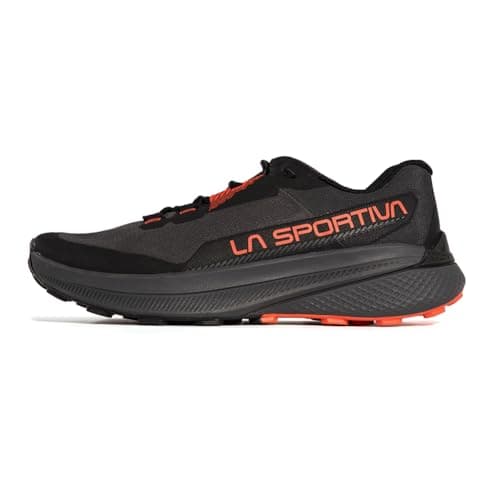
La Sportiva Prodigio

$169.00
SEE PRICE

FULL RANKINGS

BEST OVERALL
#1WiseBuy #1 Pick
Altra Lone Peak 8

Altra Lone Peak 8

4.7(3,850)
$139.95

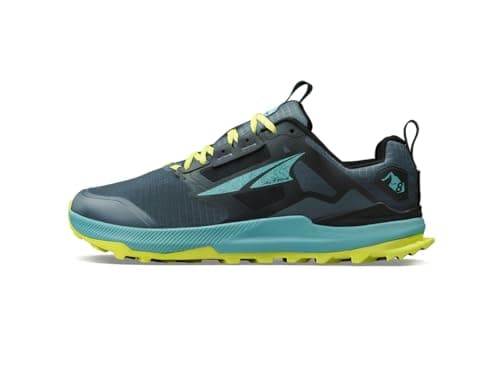
The Altra Lone Peak 8 remains the gold standard for versatile trail running shoes heading into 2026. Its signature zero-drop platform and foot-shaped toe box give your toes room to splay naturally on uneven terrain, which translates to better balance and fewer hot spots on long runs. The MaxTrac outsole grips everything from loose gravel to wet rock, and the updated ripstop mesh upper is noticeably more durable than previous generations.

Pros

  • Zero-drop platform encourages natural foot strike and reduces knee strain on descents
  • Foot-shaped toe box eliminates cramping and allows natural toe splay on technical terrain
  • MaxTrac rubber outsole provides exceptional grip on wet rock, mud, and loose gravel
  • Remarkably durable — multiple owners report 600+ miles before significant outsole wear
  • Versatile enough for everything from casual hikes to ultramarathon distances

Cons

  • Zero-drop design requires a transition period if you're coming from traditional shoes
  • Midsole cushioning is moderate — runners who prefer maximum padding may want more
  • Toe bumper protection is adequate but not as robust as La Sportiva or Salomon options
BEST VALUE
#2
Nike Pegasus Trail 5

Nike Pegasus Trail 5

4.6(2,900)
$139.99

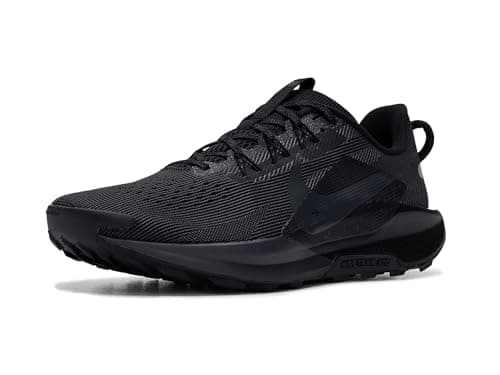
The Pegasus Trail 5 bridges the gap between road and trail better than any shoe in its class. Nike took the beloved Pegasus road running platform and added aggressive trail lugs and a rock plate, creating a shoe that handles your driveway-to-trailhead commute without feeling clunky on pavement. The React foam midsole delivers responsive cushioning that holds up over long distances, and the GORE-TEX version adds genuine waterproof protection without making your feet sweat.

Pros

  • Seamless road-to-trail transition makes it ideal for runs that start on pavement
  • React foam midsole provides bouncy, responsive cushioning that doesn't bottom out
  • Aggressive multi-directional lugs grip well on moderate technical terrain
  • GORE-TEX version available for wet-weather running without sacrificing breathability
  • Familiar Nike Pegasus fit means most runners can size confidently without trying on

Cons

  • Not aggressive enough for highly technical or steep, rocky trails
  • Heavier than dedicated trail shoes at approximately 11.5 oz (men's size 10)
  • Lugs wear down faster than Salomon or La Sportiva on abrasive rocky surfaces
EDITOR'S PICK
#3
La Sportiva Prodigio

La Sportiva Prodigio

4.7(1,200)
$169.00

La Sportiva's Prodigio is a revelation for runners who want alpine-grade traction without sacrificing ride comfort. The FriXion XF 2.0 rubber compound grips wet rock and loose scree with confidence that borders on supernatural, and the dual-density EVA midsole absorbs impacts on long descents without feeling mushy. It runs lighter than its aggressive looks suggest, making it a genuine contender for everything from technical 10Ks to 50-mile mountain ultras.

Pros

  • FriXion XF 2.0 rubber delivers best-in-class grip on wet and technical surfaces
  • Dual-density EVA midsole balances protection and ground feel for technical footwork
  • Lightweight construction at under 10 oz belies its aggressive trail capabilities
  • Reinforced toe cap and heel counter provide excellent protection on rocky terrain
  • Precision fit from La Sportiva's climbing shoe heritage translates to confident descents

Cons

  • Narrow fit compared to Altra and Topo — runners with wide feet should size up
  • Premium price at $169 places it above most competitors in this category
  • Limited color options compared to Nike and Salomon offerings
#4
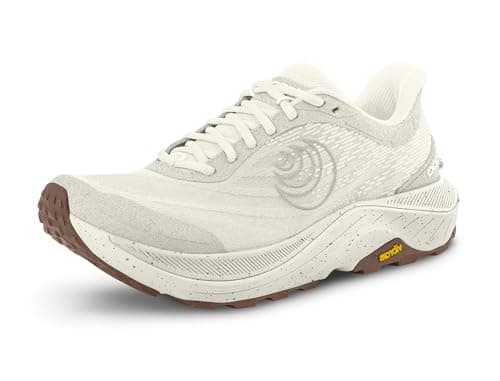
Topo Athletic Ultraventure 3

Topo Athletic Ultraventure 3

4.5(1,800)
$134.95

The Ultraventure 3 occupies a sweet spot that few trail shoes manage to hit: generous toe box width without the zero-drop commitment, plush cushioning without excessive weight, and all-terrain versatility without looking like a hiking boot. The 5mm heel-to-toe drop is a comfortable middle ground for runners transitioning from road shoes, and the Vibram Megagrip outsole is virtually indestructible on abrasive terrain.

Pros

  • Roomy toe box accommodates wide feet and toe splay without going full zero-drop
  • Vibram Megagrip outsole provides outstanding durability and traction across terrain types
  • 5mm drop offers a comfortable middle ground between zero-drop and traditional shoes
  • Zipfoam midsole cushioning stays responsive even after hundreds of miles

Cons

  • Upper mesh can feel warm in hot conditions compared to more breathable competitors
  • Heavier than minimalist options at around 11 oz for men's size 9
  • Brand availability in physical stores is limited — harder to try on before buying
  • Drainage could be better after creek crossings
#5
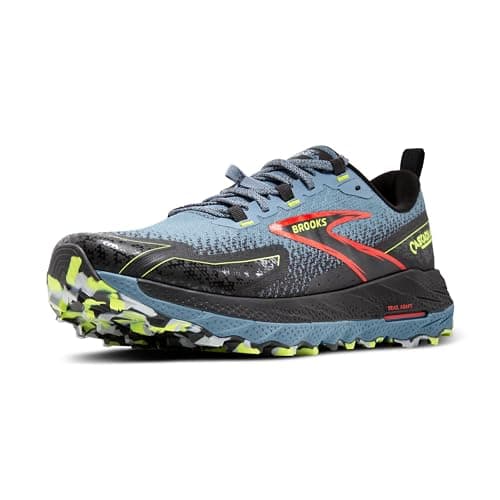
Brooks Cascadia 18

Brooks Cascadia 18

4.5(4,200)
$139.95

The Cascadia has been Brooks' trail flagship for nearly two decades, and version 18 might be the most refined yet. The BioMoGo DNA midsole adapts to your stride and weight, providing customized cushioning that feels dialed in from the first run. The pivot post system in the outsole enhances multi-surface traction, and the ballistic rock plate keeps sharp stones from bruising your feet on technical descents.

Pros

  • BioMoGo DNA midsole adapts to individual running style for personalized cushioning
  • Ballistic rock plate provides excellent underfoot protection without adding stiffness
  • Pivot post outsole system enhances traction on both dry and wet surfaces
  • TrailTack rubber outsole compound grips well on wet rock and hardpack
  • Proven 18-generation lineage means the fit and ride are thoroughly refined

Cons

  • Toe box is narrower than Altra and Topo — not ideal for very wide feet
  • Outsole lugs are moderate depth — not the best choice for deep mud or soft snow
  • 12mm drop feels steep if you're used to lower-drop trail shoes
#6
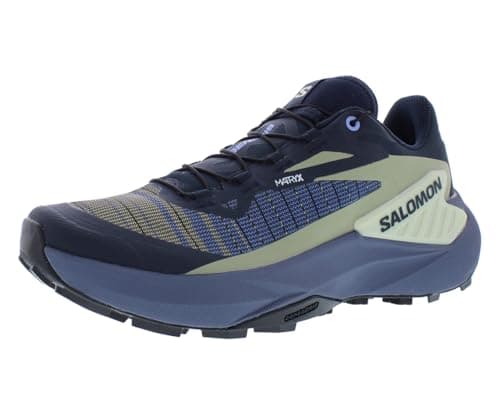
Salomon Genesis

Salomon Genesis

4.6(1,500)
$159.00

Salomon's Genesis represents a fresh direction for the brand, moving away from aggressive race-oriented designs toward a more comfortable all-day trail shoe. The Energy Surge foam midsole provides noticeably more cushioning than previous Salomon trail models, while the Contagrip MA outsole maintains the brand's legendary grip on mixed terrain. It strikes an excellent balance between protection and speed for runners who tackle varied terrain on training runs.

Pros

  • Energy Surge foam midsole delivers premium cushioning without sacrificing ground feel
  • Contagrip MA outsole provides reliable traction across wet, dry, and mixed surfaces
  • SensiFit construction wraps the foot securely without pressure points
  • Quicklace system allows fast, reliable, and even tension adjustment on the fly

Cons

  • Quicklace system divides opinion — some runners strongly prefer traditional laces
  • Narrower fit than competing brands like Altra, Topo, and New Balance
  • At $159, it's positioned at the higher end without offering a rock plate
  • Tongue can shift during long runs on uneven terrain
#7
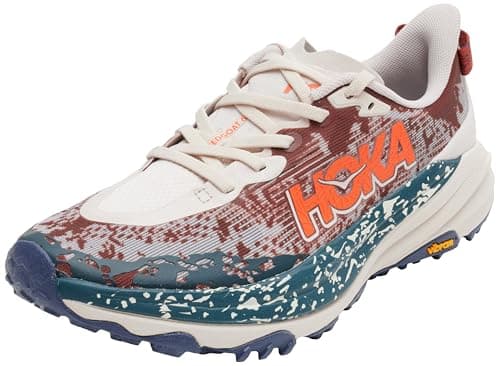
HOKA Speedgoat 6

HOKA Speedgoat 6

4.4(5,100)
$154.99

The Speedgoat 6 continues HOKA's tradition of maximum cushioning on the trail, though this generation has proven polarizing among long-time fans. The generous stack height and plush CMEVA midsole absorb impacts over long distances, making it a top pick for ultramarathon training. The Vibram Megagrip outsole with 5mm lugs handles everything from fire roads to moderate technical singletrack. Some runners feel the fit has changed from version 5, but those who get a good fit swear by its comfort.

Pros

  • Maximum cushioning absorbs impacts during ultra-distance training and racing
  • Vibram Megagrip outsole with 5mm lugs provides durable, confident traction
  • Wide platform provides inherent stability despite the generous stack height
  • Breathable mesh upper keeps feet cool during sustained efforts in warm weather

Cons

  • Fit has changed from Speedgoat 5 — some runners report heel slippage or width issues
  • Maximum cushioning reduces ground feel on technical terrain where precision matters
  • Stack height can feel unstable on narrow, off-camber sections of trail
  • Upper durability has drawn criticism — some users report premature mesh tears
#8
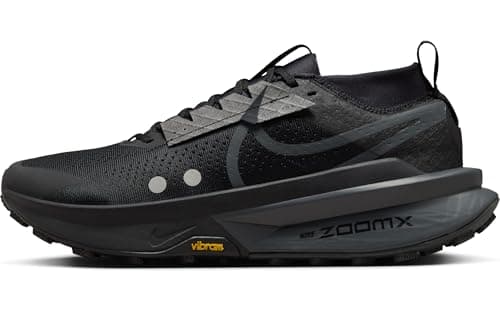
Nike Zegama 2

Nike Zegama 2

4.5(2,200)
$159.99

The Zegama 2 is Nike's answer to the aggressive mountain running shoe category, and it delivers a thrilling ride on steep, technical terrain. The ZoomX foam midsole provides explosive energy return on climbs, while the deeply lugged outsole bites into soft ground and loose surfaces with authority. This is a shoe built for runners who attack mountains rather than tiptoeing through them — it rewards an aggressive, confident running style.

Pros

  • ZoomX foam midsole provides elite-level energy return on climbs and flats
  • Aggressive 5mm multi-directional lugs handle mud, scree, and soft ground expertly
  • Lightweight construction keeps speed potential high despite aggressive trail features
  • Secure midfoot wrap and heel lockdown inspire confidence on technical descents
  • Distinctive, eye-catching design stands out on the trail

Cons

  • Narrow fit runs small — many runners recommend going up half a size
  • Not versatile for road sections — aggressive lugs feel awkward on pavement
  • ZoomX foam durability is lower than EVA alternatives — expect 300-400 miles max
#9
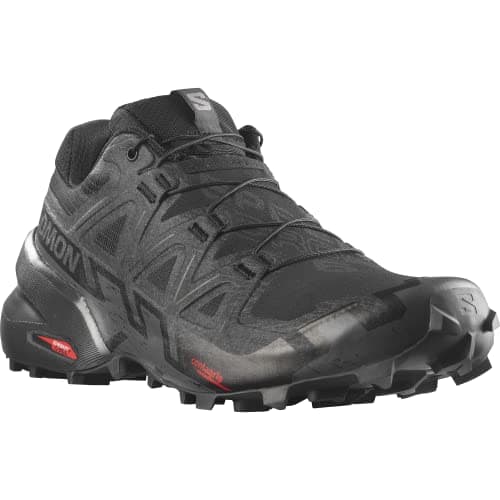
Salomon Speedcross 6

Salomon Speedcross 6

4.5(8,700)
$139.00

The Speedcross 6 is a legend in trail running for one specific reason: mud traction. The aggressive directional lugs are designed to shed mud and grip soft ground like nothing else on the market. If your primary trails involve wet, muddy, or loose conditions, the Speedcross remains unmatched. The Contagrip TA outsole compound is optimized for soft terrain, and the chassis provides a stable, controlled ride even on steep, slippery descents.

Pros

  • Aggressive directional lugs provide unmatched traction in mud and soft terrain
  • Self-cleaning lug pattern sheds mud actively during the stride cycle
  • Contagrip TA compound is specifically formulated for maximum grip on soft surfaces
  • SensiFit and Quicklace provide a secure, glove-like fit with easy adjustability
  • Massive review count reflects years of proven reliability across conditions

Cons

  • Narrow toe box is uncomfortable for runners with wide feet
  • Aggressive lugs feel awkward and wear quickly on hard-packed trails and roads
  • Cushioning is firm and minimal — not ideal for ultramarathon distances
  • Specialist mud shoe is less versatile than all-terrain competitors
#10
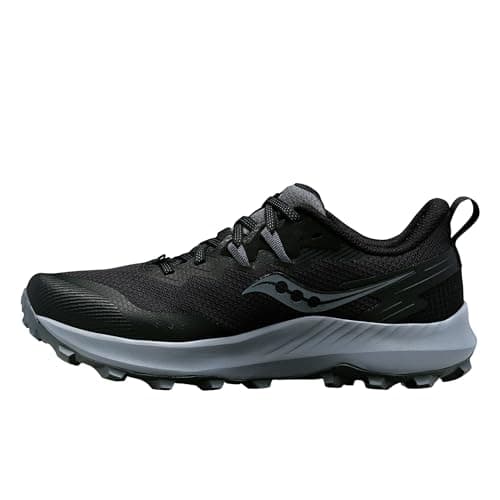
Saucony Peregrine 14

Saucony Peregrine 14

4.4(3,600)
$129.95

The Peregrine 14 has long been the trail shoe that does everything well without excelling in any single category — and that versatility is exactly its strength. The PWRRUN cushioning provides a balanced, responsive ride that works on everything from groomed fire roads to moderate singletrack. The rock plate keeps stones at bay, and the PWRTRAC outsole grips adequately across a wide range of surfaces. It's the reliable daily trainer of the trail running world.

Pros

  • PWRRUN midsole provides balanced, responsive cushioning for daily trail training
  • Rock plate protects against sharp stones without adding noticeable stiffness
  • PWRTRAC outsole delivers consistent grip across varied terrain types
  • 4mm drop is a comfortable middle ground for most running styles

Cons

  • Jack-of-all-trades approach means it doesn't lead in any specific terrain category
  • Outsole durability is average — aggressive trail runners will wear through in 300-350 miles
  • Upper mesh is prone to snagging on branches and brush in dense vegetation
  • Midsole can feel flat compared to more cushioned options like HOKA Speedgoat

HOW WE CHOSE

Our editorial team evaluates trail running shoes based on extensive testing and analysis across five key categories: traction and grip, cushioning and comfort, durability, fit and support, and overall value. We test each shoe on a variety of terrain including technical singletrack, muddy trails, rocky mountain paths, and groomed fire roads in both wet and dry conditions. Rankings incorporate hands-on experience, community feedback from thousands of trail runners, professional reviews, and Amazon customer ratings. We prioritize shoes that deliver reliable performance across multiple terrain types, as most trail runners need versatile footwear rather than single-purpose specialists. All prices and availability were verified as of February 2026.

FREQUENTLY ASKED QUESTIONS

What drop should I look for in trail running shoes?

Drop refers to the height difference between the heel and forefoot. Traditional running shoes have 10-12mm drops, while trail shoes range from 0mm (zero-drop, like Altra) to 8mm. Zero-drop shoes promote a more natural foot strike but require a transition period — switch too fast and you risk Achilles or calf injuries. If you're coming from road shoes, a 4-6mm drop shoe like the Saucony Peregrine 14 or Topo Ultraventure 3 is a comfortable middle ground.

How often should I replace trail running shoes?

Most trail running shoes last 300-500 miles, though this varies significantly by terrain, running style, and shoe construction. Shoes with Vibram Megagrip outsoles (Topo, HOKA) tend to last longer than softer rubber compounds. Replace your shoes when the outsole lugs are visibly worn flat, the midsole feels dead and unresponsive, or you notice increased foot and leg fatigue after runs. Running on abrasive rocky terrain will wear shoes out faster than soft forest trails.

Do I need a rock plate in my trail running shoes?

A rock plate is a thin, semi-rigid layer between the midsole and outsole that disperses the impact of sharp rocks and roots. If you run on rocky, technical terrain regularly, a rock plate is highly recommended — shoes like the Brooks Cascadia 18 and Saucony Peregrine 14 include them. If you mostly run on groomed fire roads, smooth singletrack, or soft forest trails, a rock plate is less critical and you may prefer the additional ground feel without one.

Are waterproof trail running shoes worth it?

It depends on your conditions. GORE-TEX versions (available for the Nike Pegasus Trail 5 and Brooks Cascadia 18) keep your feet dry in light rain and shallow puddles, but they also reduce breathability and dry slowly once water gets in over the collar. For most trail runners, a breathable non-waterproof shoe with good drainage is more versatile. Waterproof versions are best for cold, wet conditions where keeping feet dry matters for warmth and comfort.

What's the difference between road-to-trail shoes and dedicated trail shoes?

Road-to-trail shoes like the Nike Pegasus Trail 5 use road-running midsole foam with added trail features like lugs and rock plates. They feel comfortable on pavement but offer moderate trail traction. Dedicated trail shoes like the Salomon Speedcross 6 or La Sportiva Prodigio are built exclusively for off-road performance with aggressive outsoles, lower profiles, and protective features. Choose road-to-trail if your runs include pavement sections, and dedicated trail shoes if you stay on dirt.

How should trail running shoes fit compared to road shoes?

Trail running shoes should have about a thumb's width of space in the toe box to accommodate foot swelling and downhill running. On descents, your foot slides forward — too-tight shoes will cause black toenails and blisters. The midfoot should feel secure without pressure points, and the heel should lock in without slipping. Many trail runners go up a half size from their road shoe size. Brands like Altra and Topo run wider, while Salomon and La Sportiva tend to run narrow.