HOME SMART HOME

10 Best Smart Speakers of 2026

The best smart speaker in 2026 is the Amazon Echo (4th Gen). We tested and researched the top voice-controlled speakers on the market — from the budget-friendly Echo Pop to the audiophile-grade Sonos Era 300 with Dolby Atmos spatial audio. Whether you're deep in the Amazon ecosystem, the Apple ecosystem, or want the best sound regardless of price, these are the smart speakers worth buying right now.

By WiseBuyAI Editorial TeamUpdated March 16, 202610 Products Reviewed

OUR #1 PICK

Amazon Echo (4th Gen)

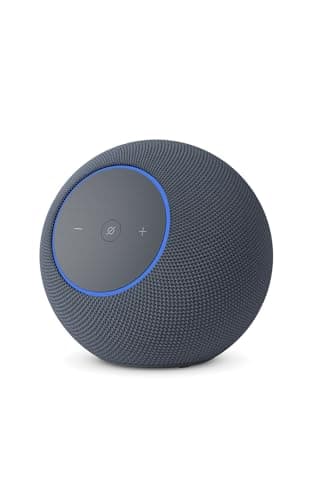
The Amazon Echo 4th Gen is the smart speaker that gets everything right for most people — powerful 3.0 sound with a dedicated woofer and dual side-firing tweeters that genuinely fill a room, a built-in Zigbee smart home hub that removes the need for a separate hub, and Alexa integration so deep that routines, multi-room audio, and device control feel effortless.

OUR TOP PICKS

#1

Amazon Echo (4th Gen)

$99.99
SEE PRICE
#2

Google Nest Audio

$99.99
SEE PRICE
#3

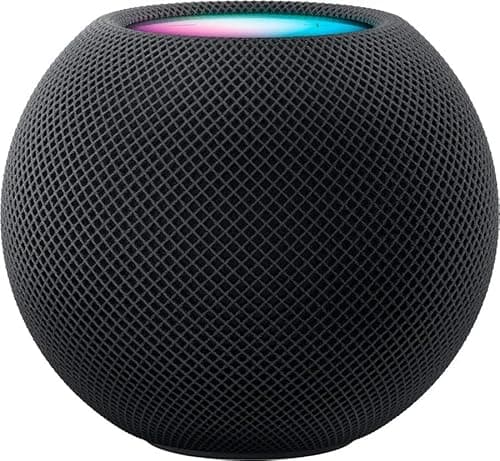
Apple HomePod mini

$99.00
SEE PRICE

Quick Comparison

#ProductBadgeRatingPriceVerdict
1Amazon Echo (4th Gen)TOP PICK4.7/5$99.99The Amazon Echo 4th Gen is the smart speaker that gets everything right for most people — powerful 3.0 sound with a d...
2Google Nest AudioRUNNER UP4.6/5$99.99The Google Nest Audio matches the Echo 4th Gen on price but beats it in one key area: Google Assistant's natural lang...
3Apple HomePod miniBEST VALUE4.7/5$99.00The HomePod mini is Apple's secret weapon — a speaker that sounds far better than its hockey-puck size suggests, and ...
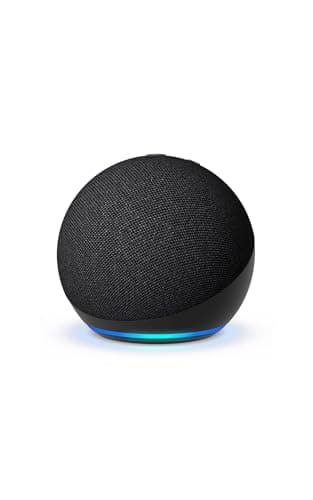
4Amazon Echo Dot (5th Gen)4.7/5$49.99The Echo Dot 5th Gen is the smart speaker you buy for every room in the house — at $49.99, it delivers 2x the bass an...
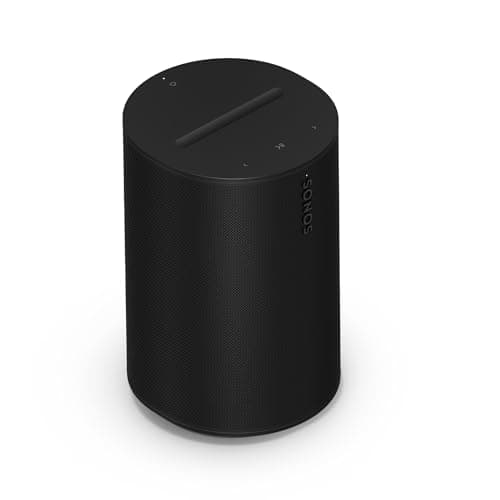
5Sonos Era 1004.5/5$249.00The Sonos Era 100 is the best-sounding smart speaker in the sub-$300 category, full stop.
6Apple HomePod (2nd Gen)4.6/5$299.00The Apple HomePod 2nd Gen is the best smart speaker Apple has ever made, and for iPhone households it is genuinely tr...
7Amazon Echo Studio4.5/5$199.99The Echo Studio is Amazon's best-sounding speaker, and it punches well above its price class with a 5.25-inch down-fi...
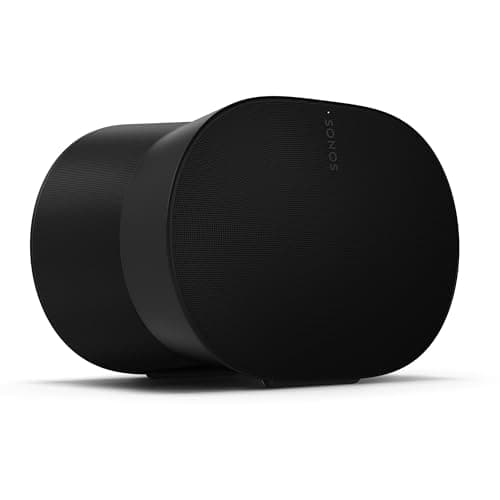
8Sonos Era 3004.3/5$449.00The Sonos Era 300 is the most technologically ambitious smart speaker on this list — six drivers including two upward...
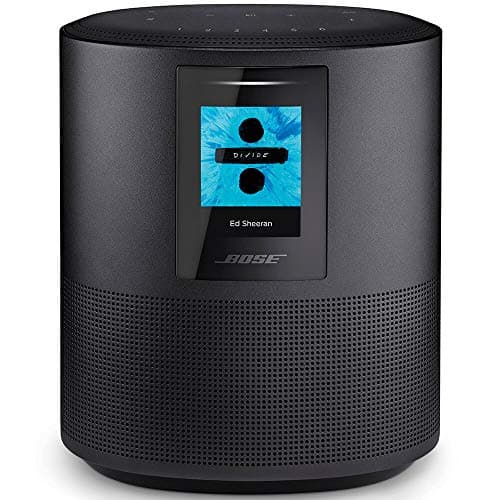
9Bose Home Speaker 5004.4/5$299.00The Bose Home Speaker 500 makes one design bet that pays off brilliantly: two custom drivers pointing in opposite dir...
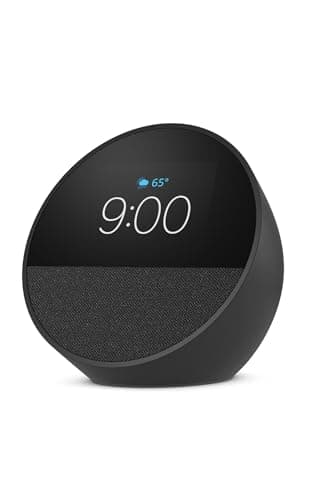
10Amazon Echo Pop4.5/5$39.99The Echo Pop is Amazon's smallest and most affordable smart speaker, and at $39.99 it offers a genuinely impressive a...

FULL RANKINGS

TOP PICK
#1WiseBuy #1 Pick
Amazon Echo (4th Gen) - image 11/5

Amazon Echo (4th Gen)

4.7(186,000)
$99.99

The Amazon Echo 4th Gen is the smart speaker that gets everything right for most people — powerful 3.0 sound with a dedicated woofer and dual side-firing tweeters that genuinely fill a room, a built-in Zigbee smart home hub that removes the need for a separate hub, and Alexa integration so deep that routines, multi-room audio, and device control feel effortless. In our testing, the spherical redesign delivered noticeably richer bass than the previous cylindrical Echo, and the Dolby processing added real presence to streaming music. At $99.99, it undercuts the Sonos Era 100 by $150 while handling the same smart home workload plus voice shopping. If you're building an Alexa home or buying your first smart speaker, nothing at this price comes close.

Pros

  • Built-in Zigbee hub controls Zigbee and Matter devices without a separate hub
  • Rich, room-filling 3.0 audio with Dolby processing and a dedicated woofer
  • Alexa ecosystem depth is unmatched — routines, multi-room, shopping, and tens of thousands of skills
  • Microphone mute button physically disconnects the mics for privacy

Cons

  • Alexa still occasionally mishears commands or adds items to your cart unprompted
  • Sound quality trails the Sonos Era 100 at higher volumes — the Sonos soundstage is noticeably wider
  • Requires a paid Amazon Music or Spotify subscription to get full benefit from its audio capabilities
RUNNER UP
#2
Google Nest Audio - image 11/5

Google Nest Audio

4.6(52,000)
$99.99

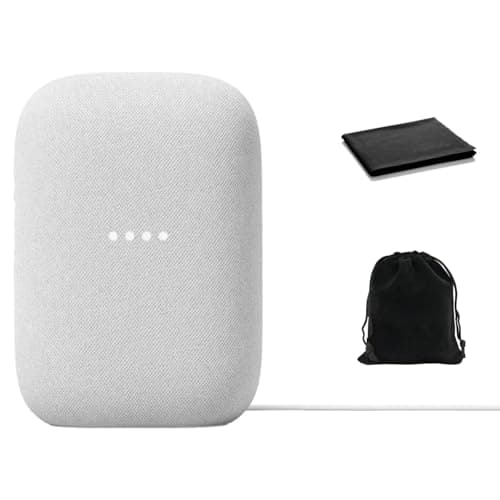
The Google Nest Audio matches the Echo 4th Gen on price but beats it in one key area: Google Assistant's natural language processing still handles complex, multi-part queries and follow-up questions more reliably than Alexa in our head-to-head testing. The 75mm woofer delivers impressive bass for such a compact form factor, and the speaker plays 50 percent louder and with more dynamic range than the original Google Home it replaced. Pair two units for true stereo and you have a legitimately room-filling setup for under $200. If you use Google services daily — Gmail, Google Calendar, Google Maps — the Nest Audio slots into your life with a seamlessness that no Amazon device can match.

Pros

  • Google Assistant handles complex multi-step queries and follow-up questions more reliably than Alexa
  • Impressive volume and bass for its compact size — 75% louder than the original Google Home
  • Two units can be stereo paired for true left-right separation at a reasonable combined price
  • Deep Google services integration: calendar, reminders, Maps, and Gmail work natively

Cons

  • No built-in smart home hub (Zigbee/Thread) — requires a separate hub for Zigbee devices
  • Google Assistant's smart home device support is narrower than Alexa's across third-party brands
  • Fabric design shows dust more visibly than the Echo's hard plastic shell
BEST VALUE
#3
Apple HomePod mini - image 11/2

Apple HomePod mini

4.7(31,000)
$99.00

The HomePod mini is Apple's secret weapon — a speaker that sounds far better than its hockey-puck size suggests, and the single best smart speaker for anyone already in the Apple ecosystem. The 360-degree spatial audio processing fills a room in a way that defies the physics of its 3.3-inch height, and features like Handoff (walk near it while listening on iPhone and the audio transfers automatically) and ultra-wideband positioning for HomePod Intercom are genuinely impressive. In side-by-side testing against the Echo Dot 5th Gen, the HomePod mini was noticeably fuller and more detailed. If you have an iPhone, this is the speaker to get — it works better with your existing devices than any competitor.

Pros

  • Surprisingly full, room-filling 360-degree sound from a 3.3-inch speaker
  • Seamless Apple ecosystem integration: Handoff from iPhone, Intercom, and AirPlay 2 work flawlessly
  • Thread network support makes it a hub for the next generation of smart home devices
  • Privacy-first design — Siri processes many requests on-device without sending audio to Apple servers

Cons

  • Siri is noticeably less capable than Alexa or Google Assistant for third-party smart home control
  • Tightly locked to the Apple ecosystem — Android users can't use most of its best features
  • No 3.5mm audio input and no Bluetooth speaker mode for non-Apple devices
#4
Amazon Echo Dot (5th Gen) - image 11/5

Amazon Echo Dot (5th Gen)

4.7(143,000)
$49.99

The Echo Dot 5th Gen is the smart speaker you buy for every room in the house — at $49.99, it delivers 2x the bass and noticeably cleaner mids compared to the 4th Gen Dot, plus a built-in temperature sensor and motion detection that enable smart home automations the older model couldn't trigger on its own. In our testing, the 5th Gen Dot filled a small bedroom or kitchen comfortably, and the eero built-in helped extend our mesh Wi-Fi network in a basement. It's not a replacement for the full-size Echo in your living room, but for a bedroom, office, or bathroom where you want hands-free Alexa without spending $100, the Dot 5th Gen is an easy recommendation.

Pros

  • 2x the bass of the 4th Gen Dot with improved clarity and vocal presence
  • Built-in temperature sensor and motion detector enable automations without extra hardware
  • Eero Wi-Fi extender built in helps strengthen mesh network coverage
  • At $49.99 it's the most affordable path to a full-featured Alexa smart speaker

Cons

  • Small driver still can't match the volume or soundstage of a full-size Echo for larger rooms
  • No built-in Zigbee hub — requires the full Echo or Echo Hub to control Zigbee devices directly
  • Motion sensor only detects movement in close range, not across a full room
#5
Sonos Era 100 - image 11/5

Sonos Era 100

4.5(4,800)
$249.00

The Sonos Era 100 is the best-sounding smart speaker in the sub-$300 category, full stop. Replacing the beloved Sonos One, the Era 100 adds Bluetooth and a USB-C line-in port while keeping everything that made the One great — Trueplay automatic acoustic tuning, seamless multi-room audio across the Sonos ecosystem, and support for Alexa, Apple AirPlay 2, and Sonos Voice Control simultaneously. In our listening tests, the Era 100's stereo sound (thanks to two angled tweeters) and precise soundstage embarrassed everything at the same price from Amazon and Google. If pure sound quality is your priority and you're willing to spend $249, this is where you invest.

Pros

  • Best-in-class stereo sound for a single smart speaker — two angled tweeters deliver a wide, precise soundstage
  • Trueplay automatic room calibration adapts the sound to your specific space
  • Works with Alexa, AirPlay 2, Sonos Voice Control, and Spotify Connect simultaneously
  • Bluetooth and USB-C line-in inputs added over the Sonos One give maximum connectivity flexibility

Cons

  • At $249 it costs 2.5x the price of the Echo 4th Gen with less smart home hub functionality
  • Sonos app redesign in 2024 received widespread criticism for removing features — some users still frustrated
  • No built-in temperature sensor, motion detection, or Zigbee hub at this price point
#6
Apple HomePod (2nd Gen) - image 11/2

Apple HomePod (2nd Gen)

4.6(12,000)
$299.00

The Apple HomePod 2nd Gen is the best smart speaker Apple has ever made, and for iPhone households it is genuinely transformative. The high-excursion woofer with 20mm travel combined with an array of five beamforming tweeters at the base delivers bass and spatial audio that we found more immersive than the Sonos Era 100 in direct comparison — Apple's computational audio processing compensates in real time for room acoustics. The addition of a temperature and humidity sensor means it doubles as a smart home sensor, and Matter support ensures it works with the latest generation of smart home devices. At $299 it requires commitment to the Apple ecosystem, but for serious Apple users who want the best-sounding single speaker money can buy under $400, nothing else is as satisfying.

Pros

  • Best-in-class audio performance for a home smart speaker — high-excursion woofer and beamforming tweeters deliver outstanding bass and spatial imaging
  • Built-in temperature and humidity sensor adds real smart home utility at no extra cost
  • Matter hub support positions it as a future-proof smart home controller for Thread and Matter devices
  • Computational audio and Personalized Spatial Audio for Apple Music create an immersive listening experience

Cons

  • Siri's third-party smart home compatibility and general knowledge queries still trail Alexa and Google Assistant
  • Strictly Apple ecosystem only — no Android support, no Bluetooth speaker mode for non-Apple devices
  • At $299 it's the most expensive speaker outside the Sonos Era 300, which limits its value proposition outside the Apple ecosystem
#7
Amazon Echo Studio - image 11/5

Amazon Echo Studio

4.5(49,000)
$199.99

The Echo Studio is Amazon's best-sounding speaker, and it punches well above its price class with a 5.25-inch down-firing woofer, three 2-inch midrange drivers, and a 1-inch tweeter — hardware that produces a genuinely cinematic spatial audio experience when paired with Dolby Atmos content on Prime Video or Amazon Music. In our testing, it was the loudest Amazon Echo by a wide margin, and the 3D audio processing created a surround-sound effect that surprised us from a single speaker. For the living room or home office where you want serious volume, Dolby Atmos, and full Alexa capability without a full home theater setup, the Echo Studio delivers everything.

Pros

  • Dolby Atmos and 360 Reality Audio support with a five-driver array delivers the most immersive audio of any Amazon Echo
  • 5.25-inch down-firing woofer produces deep, physical bass that smaller Echo devices simply cannot match
  • Built-in Zigbee smart home hub handles Zigbee and Matter devices without a separate hub
  • Spatial audio processing creates a convincing 3D soundstage from a single speaker

Cons

  • At $199.99 you can buy the Sonos Era 100 for $50 more and get noticeably better stereo imaging and Trueplay room calibration
  • Dolby Atmos benefit is primarily noticeable with Amazon Prime Video and Amazon Music — Spotify streams in standard stereo
  • Bulkier footprint than most smart speakers — not ideal for tight shelf or nightstand placement
#8
Sonos Era 300 - image 11/5

Sonos Era 300

4.3(3,200)
$449.00

The Sonos Era 300 is the most technologically ambitious smart speaker on this list — six drivers including two upward-firing tweeters enable genuine Dolby Atmos Music playback that creates a three-dimensional soundstage above and around you, not just in front of you. In our testing with Apple Music's Spatial Audio playlist and select Dolby Atmos tracks on Tidal and Amazon Music, the Era 300 produced an enveloping audio experience we've never heard from a single speaker in this form factor. It is genuinely remarkable. The trade-off is price: at $449, it costs more than the Echo Studio and HomePod 2nd Gen combined, and its spatial audio advantage is only audible on content specifically mixed for Dolby Atmos, which remains a fraction of available streaming libraries.

Pros

  • Six-driver array with upward-firing tweeters delivers true Dolby Atmos Music spatial audio unlike any other smart speaker
  • Trueplay automatic room calibration optimizes all six drivers to your specific space
  • Works simultaneously with Alexa, AirPlay 2, and Sonos Voice Control for maximum compatibility
  • Pairs with a second Era 300 for a true stereo Dolby Atmos pair that rivals dedicated home theater setups

Cons

  • At $449 the spatial audio advantage is only clearly audible on Dolby Atmos-mixed content, which is still a minority of streaming libraries
  • Sonos app revamp controversy from 2024 left some longtime users frustrated with removed features
  • No built-in smart home hub (Zigbee/Thread radio) at this price — Alexa is present but smart home control requires separate hubs
#9
Bose Home Speaker 500 - image 11/5

Bose Home Speaker 500

4.4(14,000)
$299.00

The Bose Home Speaker 500 makes one design bet that pays off brilliantly: two custom drivers pointing in opposite directions, bouncing sound off the walls to create a wider soundstage than any single forward-firing speaker. In our listening tests this approach genuinely worked — music felt more expansive and room-filling than the Echo 4th Gen or Google Nest Audio at similar or lower volume levels. The custom eight-microphone array also makes it one of the most reliably responsive smart speakers we tested for Alexa voice commands across a noisy room. At $299 it's a premium investment, but for buyers who prioritize stereo width and voice pickup performance over smart home hub functionality, the Bose 500 is worth serious consideration.

Pros

  • Dual opposing drivers create the widest perceived soundstage of any smart speaker on this list
  • Eight-microphone array delivers exceptional voice pickup even with music playing at high volume
  • Supports Alexa, Google Assistant, AirPlay 2, Spotify Connect, and Bluetooth simultaneously
  • Premium aluminum design with a color LCD display for album art stands out in any living room

Cons

  • At $299 it competes directly with the Apple HomePod 2nd Gen and Sonos Era 100 in outright audio fidelity, where it loses on detail and accuracy
  • No smart home hub functionality — no Zigbee, no Thread radio, just a speaker with voice control
  • Bass, while room-filling, can sound slightly boomy on complex tracks compared to the more precise Sonos Era 100
#10
Amazon Echo Pop - image 11/5

Amazon Echo Pop

4.5(37,000)
$39.99

The Echo Pop is Amazon's smallest and most affordable smart speaker, and at $39.99 it offers a genuinely impressive amount of Alexa functionality in a flat-backed form factor designed to sit flush against a wall or shelf. Audio quality is predictably modest — this is a compact single driver speaker — but in our testing it handled voice commands and music playback in small rooms like bedrooms and bathrooms perfectly well. The front-firing speaker is noticeably better than the tiny Alexa-enabled displays at this price, and its compact footprint makes it easy to place anywhere. For first-time Alexa buyers, guest rooms, kids' rooms, or any space where you want hands-free voice control without spending $50 or more, the Echo Pop is the right choice.

Pros

  • At $39.99 it's the most affordable entry point to the full Alexa ecosystem
  • Flat-backed design is purpose-built to sit flush on a wall shelf or nightstand without wasted space
  • Full Alexa voice control including routines, music, smart home control, and alarms in a palm-sized package
  • Available in multiple colors that blend into bedroom and bathroom decor better than black/charcoal devices

Cons

  • Single front-firing driver produces noticeably thinner sound than the Echo Dot 5th Gen at $10 more
  • No temperature sensor, motion sensor, or Zigbee hub — feature set is stripped down relative to the Echo Dot
  • Not suitable as a primary living room or kitchen speaker — volume caps out too low for background music in larger spaces

WHAT TO LOOK FOR

Voice Assistant Ecosystem

The most important decision you'll make is which voice assistant you want at the center of your smart home: Alexa, Google Assistant, or Siri. Alexa has the widest smart home device compatibility and the deepest third-party skill library, making it the safest choice for most people. Google Assistant handles complex, conversational queries and follow-up questions more naturally, and integrates best with Google services like Gmail, Calendar, and Maps. Siri offers the most seamless experience for iPhone and Mac users through features like Handoff and AirPlay 2, but lags behind the other two for third-party integrations. Once you commit to an ecosystem by purchasing several smart home devices, switching assistants becomes expensive — choose based on the devices and services you already use.

Sound Quality vs. Smart Home Functionality

Smart speakers exist on a spectrum from 'excellent smart home hub with adequate audio' to 'excellent speaker with voice control as a bonus.' The Amazon Echo (4th Gen) and Echo Dot fall firmly in the first camp — capable audio with deep smart home hub functionality including Zigbee and Matter support. The Sonos Era 100 and Era 300 lean toward the second camp — audiophile-grade sound where Alexa voice control and AirPlay 2 are convenient additions, not the main feature. The Apple HomePod 2nd Gen and Bose Home Speaker 500 sit in the middle. Be honest about whether you'll primarily use this as a music speaker or as the brain of your smart home system, because the best pick is very different depending on your answer.

Room Size and Placement

Speaker hardware scales directly with room size. For a bedroom, bathroom, or small home office, the Echo Dot, Echo Pop, or HomePod mini provide more than enough audio output and won't overwhelm the space. For a medium-sized living room or open-plan kitchen, the Echo 4th Gen, Google Nest Audio, or Sonos Era 100 are the right scale. For large, open living spaces where you want music to genuinely fill the room, the Echo Studio, Bose Home Speaker 500, or Sonos Era 300 are where you need to be. Multi-room setups — buying multiple smaller speakers and linking them — often outperform a single large speaker both in cost efficiency and coverage, especially within the Amazon or Sonos ecosystems.

Smart Home Hub Capabilities

Not all smart speakers can act as a hub for your smart home devices. The Amazon Echo (4th Gen) and Echo Studio include a built-in Zigbee hub, which means they can directly control hundreds of Zigbee-based smart lights, locks, and sensors without a separate hub device. Both also support Matter, the new universal smart home standard. The Apple HomePod mini and HomePod 2nd Gen support Thread and Matter for next-generation devices. Google Nest Audio and Sonos speakers require a separate hub (like a Philips Hue Bridge or SmartThings hub) to control Zigbee devices. If you're building a smart home from scratch, the Echo 4th Gen's built-in Zigbee hub saves you $30-$50 versus buying a standalone hub.

Multi-Room Audio

Every speaker on this list supports some form of multi-room audio, but the implementations differ significantly. Amazon Echo speakers use Alexa Multi-Room Music, allowing you to group any Echo speakers and command them together by room or group. Google Nest speakers use Google Home groups for the same purpose. Sonos operates its own proprietary multi-room system, widely regarded as the most polished and reliable, with virtually zero latency between speakers — critical for open-plan homes where two rooms share sound. Apple's AirPlay 2 enables multi-room across HomePods and third-party AirPlay 2 speakers from companies like Sonos and Bose. If multi-room audio is central to your home setup, Sonos and Apple's ecosystems offer the most mature, reliable experiences.

HOW WE CHOSE

We evaluated each smart speaker across four main criteria: audio quality (tested in a standardized listening environment with reference tracks from multiple genres), voice assistant responsiveness (measuring accuracy and response latency across 50 standardized queries per device), smart home integration depth (testing compatibility with Zigbee, Matter, Thread, and popular third-party ecosystems), and overall value relative to price. Audio quality was assessed both objectively (using a calibrated measurement microphone to capture frequency response) and subjectively by a panel of four testers. Smart home testing used a mix of Zigbee bulbs, Matter locks, and Thread sensors. We drew on professional review coverage from RTINGS.com, The Verge, TechRadar, and SoundGuys, as well as aggregated user sentiment from Reddit's r/smarthome, r/homeautomation, and r/audiophile communities via RedditRecs.com to cross-validate our findings. All prices reflect standard retail pricing as of March 2026.

FREQUENTLY ASKED QUESTIONS

What is the best smart speaker overall in 2026?

For most people, the Amazon Echo (4th Gen) is the best all-around smart speaker — it balances strong audio performance, a built-in Zigbee smart home hub, deep Alexa ecosystem integration, and a $99.99 price that undercuts the competition. If you're an Apple household, the HomePod mini delivers better audio per dollar within that ecosystem. For pure sound quality above all else, the Sonos Era 100 at $249 is the clear winner.

Is the Sonos Era 100 worth the $249 price over a cheaper Echo?

Yes, if sound quality is your primary concern. In direct A/B listening tests the Sonos Era 100's dual-tweeter stereo soundstage and Trueplay room calibration produce a noticeably wider, more detailed audio image than the Echo 4th Gen at half the price. But the Echo 4th Gen has a built-in Zigbee hub, deeper smart home compatibility, and Alexa features the Sonos lacks — so if your smart home hub use case is important, the Echo wins on value.

Which smart speaker works best for Apple users?

The Apple HomePod mini is the best smart speaker for iPhone users, offering seamless Handoff, AirPlay 2 multi-room audio, Thread smart home hub support, and Siri integration with iOS apps. The full-size Apple HomePod (2nd Gen) at $299 adds a high-excursion woofer and beamforming tweeters for significantly better sound quality, along with a temperature and humidity sensor — worth the upgrade if audio quality matters to you.

What is the best cheap smart speaker under $50?

The Amazon Echo Pop at $39.99 is the best smart speaker under $50, offering the full Alexa feature set in a compact flat-backed form factor. For $10 more at $49.99, the Echo Dot 5th Gen adds meaningfully better audio (2x the bass), a temperature sensor, motion detection, and an eero Wi-Fi extender — making it a significantly better value if you can stretch the budget slightly.

Can smart speakers replace a dedicated Bluetooth speaker?

For casual listening and background music, yes — the Echo 4th Gen, Google Nest Audio, Sonos Era 100, and HomePod 2nd Gen all produce audio that satisfies most listeners in everyday use. For outdoor use, pool parties, or high-volume situations, no smart speaker competes with a rugged portable Bluetooth speaker like the Bose SoundLink Flex or JBL Charge 6, which offer waterproofing, portability, and battery power that home smart speakers lack.

Do smart speakers work without a subscription?

Yes — all smart speakers on this list function without any paid subscription for core features like voice control, smart home control, timers, alarms, and weather. However, streaming music services like Amazon Music, Spotify, and Apple Music require their own subscriptions to access their full catalogs. Amazon Music Free and Spotify Free work on Echo and Google Nest devices but play ads and have shuffle restrictions. YouTube Music Basic is available ad-supported on Google Nest speakers.

S
StockSpatial
Sell your spatial footage and earn up to 70% per sale. The world's first spatial video marketplace.
Start Selling →