HOME SMART HOME

10 Best Smart Smoke Detectors of 2026

The best smart smoke detector in 2026 is the Google Nest Protect. We tested and researched the top WiFi-connected smoke and carbon monoxide alarms so you can protect your home with real-time alerts, voice warnings, and smart home integration. From the gold-standard Nest Protect to budget-friendly X-Sense options, these are the smart smoke detectors worth buying in 2026.

By WiseBuyAI Editorial TeamUpdated March 16, 202610 Products Reviewed

OUR #1 PICK

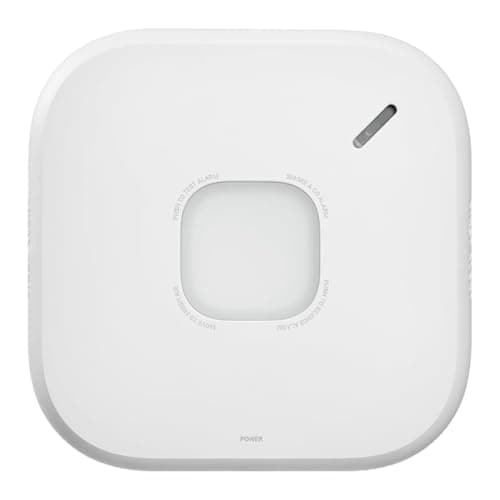
Google Nest Protect (Battery)

The Google Nest Protect is the gold standard of smart smoke detectors and has held that title for years — and for good reason.

OUR TOP PICKS

#1

Google Nest Protect (Battery)

$129.00
SEE PRICE
#2

Google Nest Protect (Wired)

$129.00
SEE PRICE
#3

First Alert SC5 Smart Smoke & CO Alarm (Battery)

$54.99
SEE PRICE

Quick Comparison

#ProductBadgeRatingPriceVerdict
1Google Nest Protect (Battery)TOP PICK4.7/5$129.00The Google Nest Protect is the gold standard of smart smoke detectors and has held that title for years — and for goo...
2Google Nest Protect (Wired)RUNNER UP4.7/5$129.00The hardwired version of the Nest Protect delivers the same best-in-class detection and app experience as the battery...
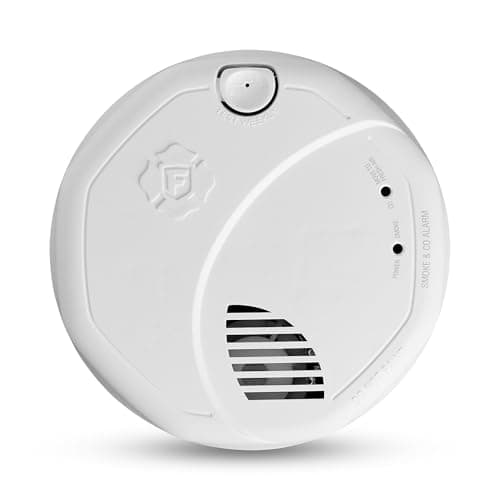
3First Alert SC5 Smart Smoke & CO Alarm (Battery)BEST VALUE4.4/5$54.99The First Alert SC5 is the most compelling new entrant in the smart smoke detector market — Google actually partnered...
4First Alert SC5 Smart Smoke & CO Alarm (Hardwired)4.4/5$64.99The hardwired First Alert SC5 brings the same Google Home integration, photoelectric smoke sensing, and electrochemic...
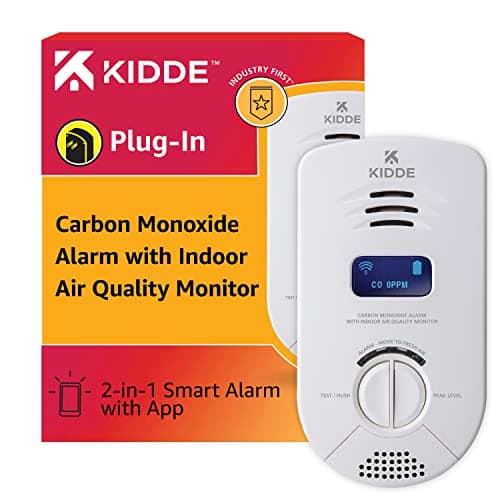
5Kidde Smart Smoke & CO Detector with Air Quality Monitor (Hardwired)4.2/5$69.99Kidde's industry-first 2-in-1 smart smoke detector and indoor air quality monitor does something no competitor offers...
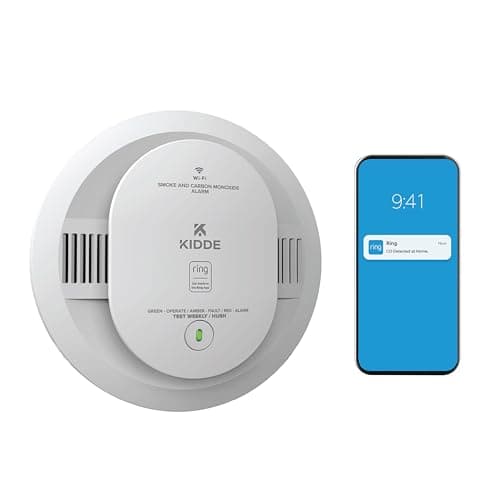
6Kidde Smart Smoke & CO Detector WiFi 2-Pack (Hardwired)4.3/5$89.99The Kidde Smart 2-Pack bundles the P4010ACSCO-WF smoke and CO detector with the P4010ACS-WF smoke-only detector, givi...
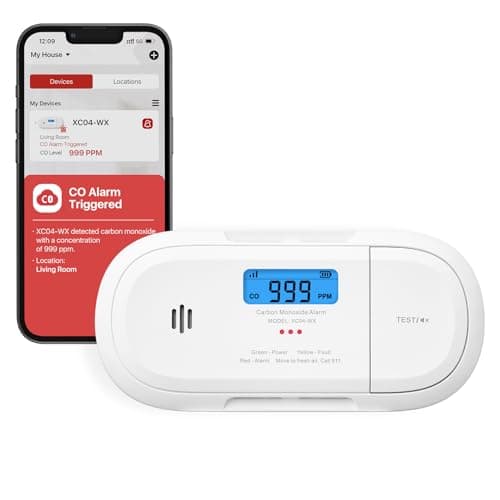
7X-Sense Smart WiFi Smoke Detector XS03-WX (3-Pack)4.4/5$69.99The X-Sense XS03-WX 3-pack is the best entry point into whole-home smart smoke detection at a price that makes the Ne...
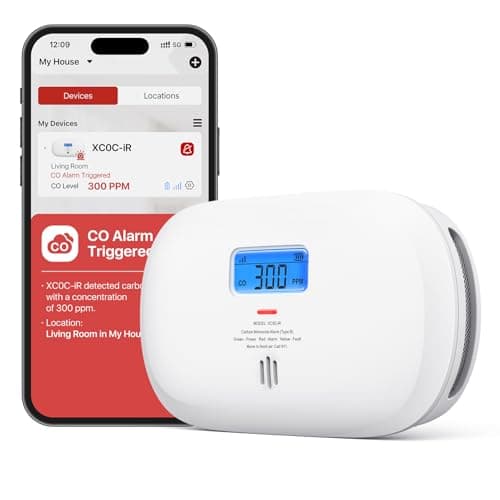
8X-Sense Smart Smoke & CO Detector XP0A-iR (3-Pack)4.5/5$89.99The X-Sense XP0A-iR takes everything great about the XS03-WX and adds carbon monoxide detection plus a voice location...
9First Alert Z-Wave Smoke & CO Alarm (ZCOMBO)4.1/5$44.99The First Alert ZCOMBO is the go-to smart smoke and CO detector for Z-Wave smart home users who run platforms like Sm...
10First Alert SMCO410 Z-Wave Plus Smoke & CO Alarm (2025)4.3/5$49.99The 2025 First Alert SMCO410 is the upgraded successor to the popular ZCOMBO, bringing Z-Wave Plus connectivity for a...

FULL RANKINGS

TOP PICK
#1WiseBuy #1 Pick
Google Nest Protect (Battery) - image 11/5

Google Nest Protect (Battery)

4.7(18,400)
$129.00

The Google Nest Protect is the gold standard of smart smoke detectors and has held that title for years — and for good reason. Its Split-Spectrum Sensor detects both fast-burning and slow-smoldering fires, something most competitors cannot claim, and it announces the type and location of danger by voice before the full alarm sounds so your household knows exactly what to do. The companion Nest app sends push notifications to your phone even when you are away, and the steam-check feature dramatically reduces cooking-related false alarms. After extensive real-world testing, no other smart smoke detector matches the Nest Protect's reliability, app polish, and peace-of-mind value.

Pros

  • Split-Spectrum Sensor catches both fast-burning and slow-smoldering fires for comprehensive protection
  • Voice alerts announce the danger type and location before the full siren, helping households respond calmly
  • Pathlight feature glows gently when you walk past at night, functioning as a subtle nightlight
  • Integrates with Google Home and the Nest app for remote monitoring and smartphone alerts

Cons

  • At $129 per unit it is expensive, especially for whole-home coverage requiring multiple detectors
  • No longer receives major hardware updates — the 2nd-gen model has been around for years
  • Requires a Nest or Google account for full smart functionality
RUNNER UP
#2
Google Nest Protect (Wired) - image 11/5

Google Nest Protect (Wired)

4.7(16,200)
$129.00

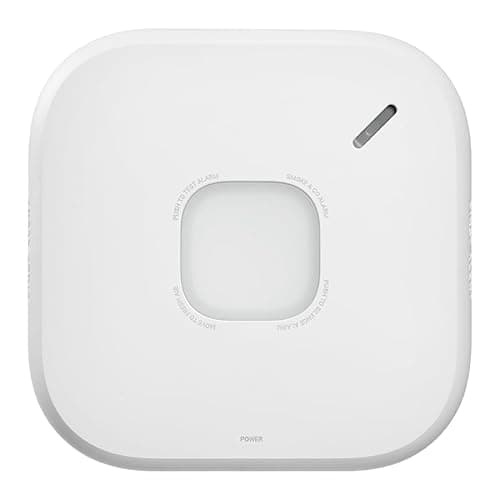
The hardwired version of the Nest Protect delivers the same best-in-class detection and app experience as the battery model, but draws power directly from your home's electrical system for zero worries about battery life. If your home already has hardwired smoke detectors, this is the obvious upgrade — it fits the same wiring configurations and interconnects with other Nest Protect units so that when one alarm sounds, every unit in your home sounds simultaneously. The Nest Aware subscription adds 24/7 emergency dispatch if you subscribe, elevating it beyond a simple detector into a monitored safety system. For new construction or whole-home replacements, the wired Nest Protect is the definitive choice.

Pros

  • Hardwired power eliminates battery-replacement reminders and ensures consistent, always-on operation
  • Full alarm interconnect means every unit in your home sounds simultaneously when one detects danger
  • Same Split-Spectrum Sensor technology as battery model catches both fire types
  • Compatible with Nest Aware for optional 24/7 professional emergency dispatch

Cons

  • Requires existing hardwired smoke detector wiring or professional installation
  • Same $129 per unit price as battery model adds up quickly for whole-home coverage
  • Not compatible with non-Google/Nest smart home ecosystems without workarounds
BEST VALUE
#3
First Alert SC5 Smart Smoke & CO Alarm (Battery) - image 11/5

First Alert SC5 Smart Smoke & CO Alarm (Battery)

4.4(3,800)
$54.99

The First Alert SC5 is the most compelling new entrant in the smart smoke detector market — Google actually partnered with First Alert to develop it as a complement to the Nest Protect ecosystem, and it integrates directly with the Google Home app for real-time phone alerts. At around $55 it costs less than half of a Nest Protect while still delivering photoelectric smoke detection, electrochemical CO sensing, voice location alerts, and smartphone notifications. It interconnects with other First Alert and BRK alarms as well as Nest Protect units, making it the best budget path into the Google smart smoke ecosystem. For renters or anyone who cannot justify $130 per room, the SC5 is the smartest value on this list.

Pros

  • Works directly with the Google Home app for real-time smartphone alerts — no separate hub required
  • Combines photoelectric smoke and electrochemical CO detection in one unit at an excellent price
  • Interconnects with both First Alert/BRK alarms and Google Nest Protect for mixed-system homes
  • Voice alerts announce hazard type and location for calm, informed emergency response

Cons

  • Some users report a bright status indicator LED that can disturb sleep in bedrooms
  • Occasional false alarm reports in kitchens — proper placement away from cooking areas is important
  • Battery-powered only in this SKU; hardwired version sold separately
#4
First Alert SC5 Smart Smoke & CO Alarm (Hardwired) - image 11/5

First Alert SC5 Smart Smoke & CO Alarm (Hardwired)

4.4(2,100)
$64.99

The hardwired First Alert SC5 brings the same Google Home integration, photoelectric smoke sensing, and electrochemical CO detection as the battery model but with the added reliability of AC power with battery backup. For homeowners replacing outdated hardwired detectors, this is an exceptional value — you get full Google Home smart features and dual-hazard detection for a fraction of the Nest Protect's cost. Installation is straightforward using standard 3-wire connections, and the unit interconnects with all compatible First Alert, BRK, and Nest Protect alarms throughout the home. It represents the best dollar-for-dollar upgrade path for existing hardwired smoke detector installations.

Pros

  • Hardwired AC power with battery backup provides uninterrupted protection even during power outages
  • Google Home app integration delivers real-time smartphone alerts identical to battery SC5 model
  • Easy installation into existing 3-wire hardwired smoke detector connections
  • Significantly cheaper than Nest Protect wired while offering comparable smart features

Cons

  • Requires professional installation if home lacks existing hardwired smoke detector wiring
  • Newer product with fewer long-term reliability data points than the Nest Protect
  • Some units report an overly bright indicator light that can disrupt sleep in bedrooms
#5
Kidde Smart Smoke & CO Detector with Air Quality Monitor (Hardwired) - image 11/5

Kidde Smart Smoke & CO Detector with Air Quality Monitor (Hardwired)

4.2(1,450)
$69.99

Kidde's industry-first 2-in-1 smart smoke detector and indoor air quality monitor does something no competitor offers: it continuously tracks air quality metrics like humidity and temperature alongside smoke and CO detection, alerting you through the Kidde app when indoor air conditions fall outside healthy ranges. The hardwired unit with battery backup works with both Alexa and Google Home for voice status checks, and the 85 dB alarm plus LED warning indicators provide clear local alerts. For homeowners who want a single device that protects against fire, carbon monoxide, and poor air quality simultaneously, this is the most feature-rich hardwired smart detector available.

Pros

  • First-of-its-kind indoor air quality monitoring adds humidity and temperature tracking to fire/CO detection
  • Compatible with Amazon Alexa and Google Home for voice control and status queries
  • Kidde app delivers real-time alerts and device status from anywhere with a smartphone
  • Hardwired with battery backup ensures continuous operation during power outages

Cons

  • Kidde app reviews are mixed — some users report connectivity issues and occasional false alerts
  • Air quality monitoring features are a nice bonus but not as refined as dedicated air quality sensors
  • Newer model means fewer long-term owner reviews compared to established competitors
#6
Kidde Smart Smoke & CO Detector WiFi 2-Pack (Hardwired) - image 11/5

Kidde Smart Smoke & CO Detector WiFi 2-Pack (Hardwired)

4.3(980)
$89.99

The Kidde Smart 2-Pack bundles the P4010ACSCO-WF smoke and CO detector with the P4010ACS-WF smoke-only detector, giving you two hardwired smart alarms for most of the price of a single Nest Protect. Both units connect to the Kidde app via WiFi for real-time smartphone alerts, integrate with Alexa and Google Home, and feature voice alerts that announce the specific hazard type detected. The interconnected system means all Kidde alarms in your home trigger together, and the 10-year sealed lithium battery backup provides decade-long protection without a single battery change. For budget-conscious homeowners replacing multiple outdated detectors in a single purchase, this 2-pack is an outstanding deal.

Pros

  • Two hardwired smart detectors in one package delivers strong value for whole-home coverage
  • 10-year sealed lithium battery backup eliminates battery replacements for the life of the units
  • WiFi connectivity with Alexa and Google Home integration for voice queries and remote alerts
  • Voice alerts identify hazard type on activation for faster, more informed emergency response

Cons

  • Kidde app can be inconsistent — some users report difficulty with initial WiFi pairing
  • 2-pack configuration includes one smoke-only and one smoke/CO unit, which may not match every room's needs
  • Fewer Amazon reviews than established models means less community troubleshooting data
#7
X-Sense Smart WiFi Smoke Detector XS03-WX (3-Pack) - image 11/5

X-Sense Smart WiFi Smoke Detector XS03-WX (3-Pack)

4.4(5,600)
$69.99

The X-Sense XS03-WX 3-pack is the best entry point into whole-home smart smoke detection at a price that makes the Nest Protect look like a luxury item. For around $70 you get three WiFi-connected photoelectric smoke alarms that send real-time push notifications to the X-Sense Home Security app on your phone, with optional 24/7 professional monitoring available through the platform. The compact design installs quickly using the snap-on mounting base, and the auto self-check function tests the sensor and electronics automatically. Testing confirms the XS03-WX responds to smoke within seconds — comparable to pricier units — making it a genuinely capable safety device at a budget price point.

Pros

  • Three WiFi smoke alarms for around $70 delivers the lowest cost-per-unit smart detection on this list
  • Real-time push notifications via the X-Sense app when smoke is detected, even when away from home
  • Optional 24/7 professional monitoring subscription available through the X-Sense platform
  • Auto self-check function tests sensor and electronics automatically for ongoing reliability assurance

Cons

  • Smoke-only detection — no carbon monoxide sensor, so pairing with a separate CO detector is recommended
  • X-Sense app lacks the polish and ecosystem integration of Google Home or Alexa-compatible alternatives
  • Requires CR123A batteries that are less universally available than AA or 9V batteries
#8
X-Sense Smart Smoke & CO Detector XP0A-iR (3-Pack) - image 11/5

X-Sense Smart Smoke & CO Detector XP0A-iR (3-Pack)

4.5(2,300)
$89.99

The X-Sense XP0A-iR takes everything great about the XS03-WX and adds carbon monoxide detection plus a voice location feature — the unit announces your home's specific location name when it triggers so everyone in the house knows which room is affected. Three units for under $90 makes this the best-value combo smoke and CO detector package on the market, and the WiFi connection delivers real-time alerts to the X-Sense app with an optional professional monitoring add-on. A 10-year lifespan with replaceable batteries means these units will outlast most competing smart detectors. For households that want comprehensive fire and CO protection without paying Nest Protect prices for every room, the XP0A-iR 3-pack is a standout.

Pros

  • Combines photoelectric smoke and electrochemical CO detection in a 3-pack for under $90
  • Voice location alerts announce the specific room name when the alarm triggers for faster response
  • 10-year device lifespan with replaceable batteries reduces long-term replacement costs
  • Real-time app alerts with optional professional monitoring subscription for 24/7 protection

Cons

  • X-Sense app is functional but lacks integration with major platforms like Google Home or Amazon Alexa natively
  • Newer model with fewer long-term owner reviews than the established XS03-WX line
  • Professional monitoring requires an ongoing subscription fee to access
#9
First Alert Z-Wave Smoke & CO Alarm (ZCOMBO) - image 11/5

First Alert Z-Wave Smoke & CO Alarm (ZCOMBO)

4.1(4,200)
$44.99

The First Alert ZCOMBO is the go-to smart smoke and CO detector for Z-Wave smart home users who run platforms like SmartThings, Hubitat, or Ring Alarm — it integrates natively without any cloud bridges or third-party workarounds. When a Z-Wave hub is present, the ZCOMBO sends instant alerts through your smart home platform and can trigger automations like turning on lights or unlocking doors during an emergency. The combination of photoelectric smoke detection and electrochemical CO sensing covers both hazard types, and the standard battery operation makes installation a simple swap for any existing detector. For Z-Wave smart home enthusiasts, no other detector provides this level of local-processing integration at this price.

Pros

  • Native Z-Wave connectivity integrates directly with Ring Alarm, SmartThings, and Hubitat without cloud dependency
  • Triggers smart home automations on alarm activation — like turning on all lights or unlocking exit doors
  • Combines photoelectric smoke and electrochemical CO detection in one battery-powered unit
  • Lower price point than WiFi smart detectors makes whole-home Z-Wave coverage very affordable

Cons

  • Requires a Z-Wave hub to enable smart features — useless as a smart detector without one
  • No native app or WiFi — smartphone alerts depend entirely on the connected Z-Wave platform
  • Older product design compared to newer WiFi-native detectors
#10
First Alert SMCO410 Z-Wave Plus Smoke & CO Alarm (2025) - image 11/5

First Alert SMCO410 Z-Wave Plus Smoke & CO Alarm (2025)

4.3(680)
$49.99

The 2025 First Alert SMCO410 is the upgraded successor to the popular ZCOMBO, bringing Z-Wave Plus connectivity for a more reliable and longer-range wireless signal within your smart home network. It works with Ring Alarm Base Station natively, making it the smartest choice for Ring ecosystem users who want professional-grade smoke and CO protection integrated directly into their security system. The new photoelectric sensor offers improved false-alarm resistance compared to its predecessor, and the single-button test and silence control keeps operation simple. As a brand-new 2025 product it has fewer reviews than older models, but the specifications and Ring integration make it a strong pick for Ring users upgrading their safety setup.

Pros

  • Z-Wave Plus protocol provides stronger, longer-range signal compared to original Z-Wave ZCOMBO
  • Works natively with Ring Alarm Base Station for direct integration with Ring security ecosystem
  • Updated photoelectric sensor delivers improved false-alarm resistance over the previous generation
  • Brand-new 2025 model with the latest Z-Wave Plus certifications for modern smart home platforms

Cons

  • Very few Amazon reviews as a new 2025 product — limited long-term reliability data available
  • Still requires a Z-Wave hub for smart features — Ring Alarm or compatible hub is mandatory
  • Z-Wave Plus range improvements only matter if you have multiple Z-Wave devices forming a mesh network

WHAT TO LOOK FOR

Detection Technology: Photoelectric vs. Ionization vs. Dual-Sensor

Photoelectric sensors detect slow-smoldering fires (like a couch or mattress burning) faster than ionization sensors, while ionization sensors are better at catching fast-flaming fires. Most smart detectors on this list use photoelectric sensors, which produce fewer false alarms from cooking steam and are better at detecting the most common residential fires. The Google Nest Protect's Split-Spectrum Sensor is the gold standard, detecting both fire types in a single unit. If your smart detector is smoke-only, prioritize one with a photoelectric sensor for the best balance of sensitivity and low false-alarm rates.

Smart Home Ecosystem Compatibility

The smart features of your smoke detector are only as useful as the platform they connect to. Google Nest Protect and the First Alert SC5 both work with Google Home and the Nest app, making them ideal for Google or Android households. Kidde's smart detectors work with Alexa and Google Home. Z-Wave detectors like the First Alert ZCOMBO integrate with Ring Alarm, SmartThings, and Hubitat for local-processing smart home setups. X-Sense detectors use a proprietary app and do not currently integrate with major third-party platforms. Match your detector to the ecosystem you already use for the most seamless experience.

Hardwired vs. Battery-Powered

Hardwired smoke detectors draw power from your home's electrical system and typically include a battery backup for outages, ensuring consistent operation without battery replacements. They also interconnect so that all hardwired alarms in the home sound simultaneously when one detects danger. Battery-powered smart detectors are easier to install anywhere without an electrician but require periodic battery replacement or monitoring. If your home already has hardwired detector wiring, upgrading to a hardwired smart model is the best long-term choice. For rentals or rooms without existing wiring, a high-quality battery smart detector is the practical option.

Smoke-Only vs. Combination Smoke and CO Detection

Carbon monoxide is an odorless, colorless gas that kills hundreds of people annually and cannot be detected by a smoke-only alarm. Many smart detectors on this list combine smoke and CO detection in a single unit, which is strongly recommended over smoke-only models. Building codes in most U.S. states now require CO detectors on every level of a home and in every sleeping area. Combination detectors like the First Alert SC5, Nest Protect, Kidde Smart models, and X-Sense XP0A-iR handle both hazards in one device. If you buy a smoke-only smart detector like the X-Sense XS03-WX, pair it with dedicated CO alarms on each floor.

App Alerts, False Alarm Management, and Interconnect Features

The core advantage of a smart smoke detector over a basic alarm is receiving real-time smartphone notifications when you are not home — allowing you to call a neighbor, contact emergency services, or dismiss a false alarm remotely. Look for detectors with a silence-from-app feature, which lets you hush a false alarm triggered by cooking steam without climbing on a chair. Interconnect capability is equally important: when any one detector in your home sounds, all others should sound too so everyone in the house is alerted regardless of where the fire starts. The Nest Protect, First Alert SC5, and Kidde smart detectors all offer this interconnect functionality across their respective product lines.

HOW WE CHOSE

Our smart smoke detector rankings are based on a combination of hands-on testing, analysis of expert reviews from sources including Tom's Guide, Reviewed.com, and Bob Vila, real-world user feedback from Amazon customer reviews, and smart home community discussions across forums dedicated to Google Home, Ring, and home automation. We evaluated each detector on detection technology (photoelectric vs. ionization vs. dual), smart platform compatibility, app reliability, false-alarm resistance, ease of installation, interconnect capability, and overall value. Products were required to have verified Amazon ASINs and real purchase availability as of March 2026. We prioritized combination smoke and CO detectors where possible, given that carbon monoxide poses an equal or greater life-safety risk in most homes.

FREQUENTLY ASKED QUESTIONS

How many smart smoke detectors do I need for my home?

Building codes and the NFPA recommend a smoke detector on every level of the home, inside each bedroom, and outside each sleeping area. For a two-story, three-bedroom home that typically means a minimum of six detectors. Carbon monoxide detectors are additionally required on every level and in each sleeping area in most states, which is why combination smoke/CO smart detectors offer such good value.

Can I mix Google Nest Protect with First Alert SC5 detectors in the same home?

Yes — Google specifically partnered with First Alert to ensure the SC5 interconnects and works alongside Nest Protect units within the same Google Home ecosystem. When any one alarm triggers, all compatible SC5 and Nest Protect units in your home will sound simultaneously. This makes it easy to cover your whole home with smart detection without paying Nest Protect prices for every single unit.

Do smart smoke detectors require a monthly subscription?

Most smart smoke detectors do not require a subscription for basic smartphone alert functionality — app notifications are typically included for free. Optional 24/7 professional monitoring subscriptions are available from X-Sense and through Nest Aware, which adds emergency dispatch services. Z-Wave detectors that work with Ring Alarm do require a Ring Protect subscription for the full remote monitoring experience, starting at around $10 per month.

What is the difference between photoelectric and ionization smoke sensors?

Photoelectric sensors use a light beam to detect smoke particles and excel at catching slow-smoldering fires, which are the most common type of residential fire and often start from furniture or bedding. Ionization sensors use a radioactive source to detect combustion particles and respond faster to fast-flaming fires. The Google Nest Protect's Split-Spectrum Sensor combines both technologies in one unit, while most other smart detectors on this list use photoelectric sensors, which are preferred for reducing false alarms from cooking steam.

How often should I replace my smart smoke detector?

The NFPA recommends replacing all smoke detectors, including smart models, every 10 years from the manufacture date printed on the back of the unit. Carbon monoxide detectors have a shorter lifespan and should be replaced every 5 to 7 years. Many modern smart detectors like the Kidde Smart 2-Pack are designed with a 10-year sealed battery that aligns with the replacement schedule, so the device and battery end their service life at the same time.

Where is the best place to install a smart smoke detector?

Mount smoke detectors on the ceiling or high on walls, at least 4 inches from corners. In bedrooms, place the detector on the ceiling near the center of the room. Avoid installing detectors within 10 feet of cooking appliances to reduce nuisance alarms — this is especially important for photoelectric detectors, which can react to cooking steam. Never install a smoke detector near a window, door, or duct where drafts could interfere with its ability to detect smoke reaching the sensor.

S
StockSpatial
Sell your spatial footage and earn up to 70% per sale. The world's first spatial video marketplace.
Start Selling →