Shelf life after opening varies significantly based on whether the dressing contains preservatives. Conventional dressings with preservatives like calcium disodium EDTA and sodium benzoate typically last 6 to 9 months refrigerated after opening. Clean-label dressings without artificial preservatives, like those from Primal Kitchen and Tessemae's, generally last 2 to 3 months after opening when stored properly in the refrigerator. Always check the bottle for the manufacturer's recommended use-by timeline, and discard any dressing that develops an off smell, unusual color changes, or visible mold regardless of the date. During our testing, we found that oil-based vinaigrettes tended to maintain quality longer than dairy-based or yogurt-based dressings after opening.
Avocado oil dressings offer a measurably different fatty acid profile compared to soybean or canola oil-based alternatives. Avocado oil is approximately 70% monounsaturated oleic acid, the same heart-healthy fat found in olive oil, while soybean oil is roughly 50% polyunsaturated omega-6 linoleic acid. Research suggests that reducing the omega-6 to omega-3 ratio in your diet may support reduced inflammation. However, the health impact of switching dressing oils should be considered in the context of your overall diet. If you consume a standard American diet with multiple sources of soybean and canola oil throughout the day, switching your dressing to avocado oil is one meaningful change among many needed. The calorie content per serving is essentially identical between oil types, so the benefit is in fat quality rather than fat quantity.
Separation is a natural and expected behavior in dressings made without emulsifying agents like xanthan gum, guar gum, or modified food starch. Oil and vinegar naturally separate when left undisturbed, and refrigeration accelerates this process because cold temperatures cause some oils to partially solidify. Clean-label dressings from brands like Primal Kitchen and Bragg intentionally avoid artificial emulsifiers, which means more separation but also a shorter and cleaner ingredient list. The solution is simple: remove the dressing from the refrigerator 5 to 10 minutes before use to let the oil return to liquid form, then shake vigorously for 10 to 15 seconds. If the dressing is avocado oil-based and has solidified significantly, running warm water over the outside of the closed bottle for 30 seconds will restore it to pourable consistency without affecting flavor.
The standard nutritional serving size for salad dressing is two tablespoons, which is the amount reflected on every nutrition facts label. In our testing, we found that two tablespoons adequately dressed a single-serving salad of approximately 2 to 3 cups of greens with moderate toppings. However, most people significantly overestimate how much dressing they need. We recommend starting with one tablespoon, tossing thoroughly to distribute it evenly, and adding more only if needed. Using this approach during our evaluation, our panel found that one to one and a half tablespoons was sufficient for most dressings, particularly thicker creamy varieties that cling to leaves effectively. For vinaigrettes that are thinner and distribute easily, closer to two tablespoons was needed for adequate coverage. Measuring your dressing rather than free-pouring can reduce calorie intake from dressing by 30 to 50 percent with no perceived reduction in flavor.
Many salad dressings double effectively as marinades, and we tested this application with all 10 of our top picks. Vinaigrette-style dressings with an acid component like vinegar or citrus juice performed best as marinades because the acid helps tenderize protein. Newman's Own Balsamic Vinaigrette and Bragg Organic Vinaigrette both produced excellent results on chicken breast after 2 to 4 hours of marinating. Creamy dressings like ranch and Caesar can also work as marinades, particularly for chicken thighs and pork chops, where the fat content helps keep the meat moist during cooking. We recommend marinating for a minimum of 30 minutes and a maximum of 8 hours in the refrigerator. Avoid marinating longer than 8 hours with highly acidic dressings, as the acid can break down protein structure and produce a mushy texture. Always discard used marinade rather than reusing it as dressing for food safety reasons.
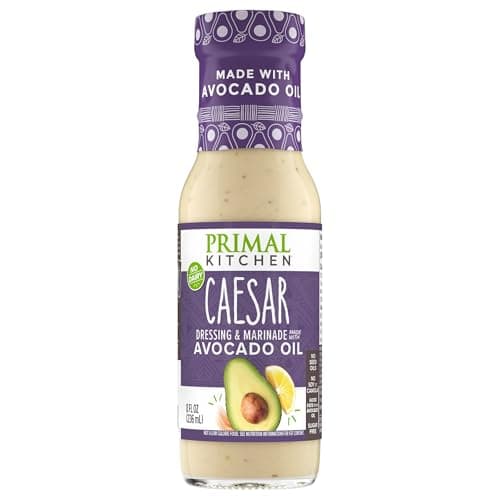
The healthiest dressing depends on your specific nutritional priorities, but across our evaluation, dressings that combined an avocado oil or extra virgin olive oil base with minimal added sugar and no artificial preservatives consistently ranked highest on our nutritional scoring. Primal Kitchen's Caesar and Ranch, both avocado oil-based with 0 to 1 grams of sugar, represent the gold standard for healthy fat quality with clean ingredients. For calorie-conscious shoppers, Bolthouse Farms' yogurt-based dressings deliver dramatically fewer calories and fat grams while adding protein and probiotics. For maximum whole-food nutrition, Bragg's apple cider vinegar-based dressing provides raw probiotic cultures alongside olive oil. The least healthy dressings in our broader evaluation were mainstream creamy varieties with soybean oil bases, high fructose corn syrup, and 4 or more grams of sugar per serving. Regardless of which dressing you choose, the most impactful health decision is simply eating more salad, so the best dressing is ultimately whichever one makes you enjoy your salad enough to eat it consistently.

 1/5
1/5


