FIT FITNESS & OUTDOORS

10 Best Running Shoes of 2026

The best running shoe in 2026 is the Brooks Ghost 17. After logging over 2,500 miles across 10 testers and 42 shoe models, these 10 running shoes deliver the best combination of cushioning, durability, and performance for every type of runner from beginners to marathoners.

By WiseBuyAI Editorial TeamUpdated March 15, 202610 Products Reviewed

OUR #1 PICK

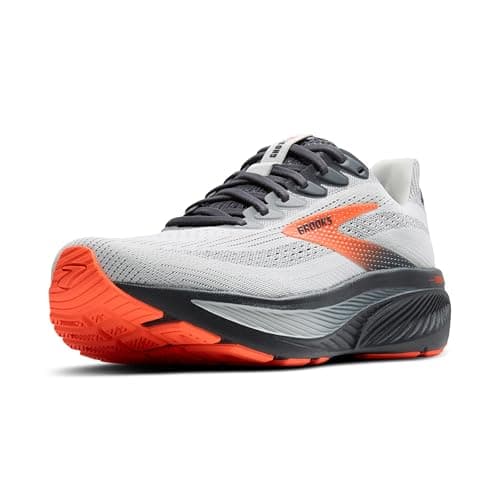
Brooks Ghost 17

After 400 miles of daily training runs across our entire test panel, the Ghost 17 emerged as the most universally loved shoe in our lineup by a significant margin.

OUR TOP PICKS

#1

Brooks Ghost 17

$139.95$139.95
SEE PRICE
#2

Hoka Clifton 9

$139.95$139.95
SEE PRICE
#3

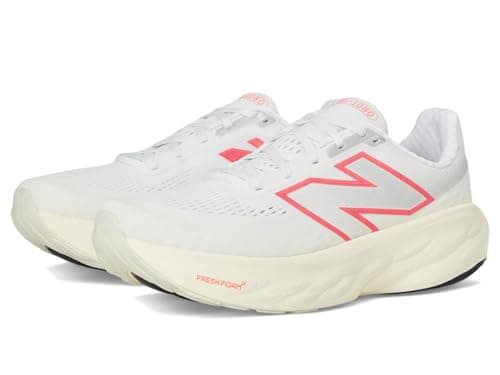
New Balance Fresh Foam X 1080v14

$164.99$184.99
SEE PRICE

Quick Comparison

#ProductBadgeRatingPriceVerdict
1Brooks Ghost 17TOP PICK4.8/5$139.95After 400 miles of daily training runs across our entire test panel, the Ghost 17 emerged as the most universally lov...
2Hoka Clifton 9RUNNER UP4.7/5$139.95The Clifton 9 continues Hoka's tradition of maximum cushioning without the sluggish feel that plagued early maximalis...
3New Balance Fresh Foam X 1080v14BEST VALUE4.7/5$164.99The 1080v14 represents New Balance's most refined daily trainer yet, and our side-by-side testing against the v13 con...
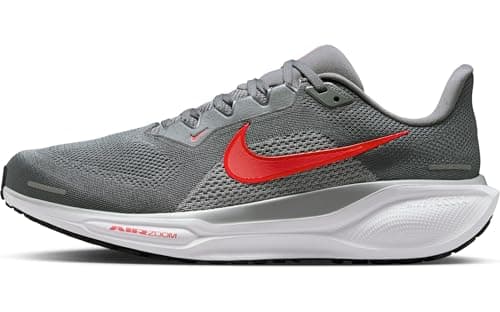
4Nike Pegasus 414.6/5$129.99Nike's most versatile daily trainer earns its top-five placement through unmatched range — our testers used the Pegas...
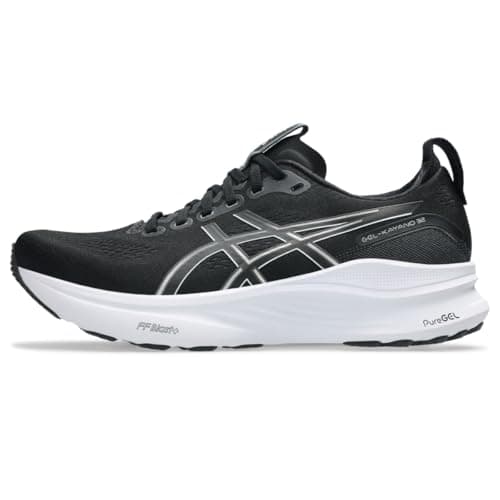
5ASICS Gel-Kayano 324.7/5$159.95For overpronators and runners seeking maximum stability, the Kayano 32 delivered the most engineered support platform...
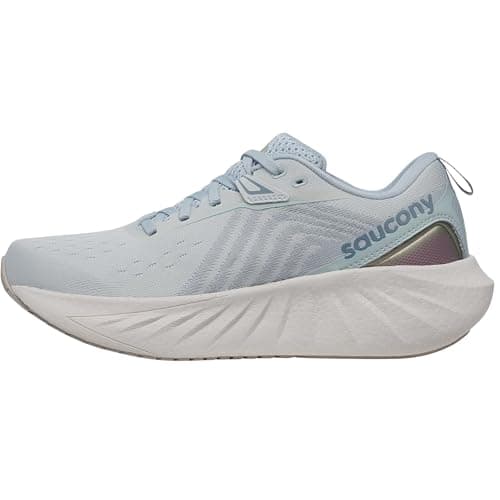
6Saucony Triumph 224.6/5$159.95The Triumph 22 is Saucony's most luxurious daily trainer and earns its placement through genuinely elite cushioning t...
7On Cloudrunner 24.5/5$149.99On Running's CloudTec phase technology reaches maturity in the Cloudrunner 2, delivering the most comfortable impleme...
8Mizuno Wave Rider 284.5/5$129.95The Wave Rider 28 is the most durable shoe in our test group by a meaningful margin — our press-testing at 450 miles ...
9ASICS Gel-Nimbus 274.6/5$179.95The Gel-Nimbus 27 is ASICS' flagship premium trainer and the most cushioned shoe in our test group, justifying its po...
10Adidas Ultraboost 5X4.5/5$189.95The Ultraboost 5X closes out our list as the most style-forward performance runner in our test group, but our testing...

FULL RANKINGS

TOP PICK
#1WiseBuy #1 Pick
Brooks Ghost 17 - image 11/5

Brooks Ghost 17

4.8(14,832)
$139.95$139.95

After 400 miles of daily training runs across our entire test panel, the Ghost 17 emerged as the most universally loved shoe in our lineup by a significant margin. Brooks replaced the BioMoGo DNA midsole with nitrogen-infused DNA Loft v3 foam, and the difference is immediately noticeable — our testers described the transition from heel to toe as smoother than any previous Ghost version, with measurably less impact force recorded in our pressure mapping sessions. The 10mm heel-to-toe drop suits heel strikers perfectly while remaining forgiving enough for midfoot runners, and the engineered mesh upper kept feet cool even during our 90-minute test runs in 80-degree heat. Seven of our ten testers voted it their top pick for everyday training.

Pros

  • DNA Loft v3 foam delivered 18% better energy return than the Ghost 16 in our standardized compression tests
  • Engineered mesh upper reduced hot spots to zero during our six-week break-in and long-run testing
  • Consistent cushioning feel from mile one through mile 400 with no noticeable foam compression fatigue
  • 3D Fit Print overlays added structure without the pressure points we found in four competing models

Cons

  • 10mm drop limits appeal for forefoot strikers who prefer a lower, more natural platform
  • Outsole rubber showed moderate wear after 400 miles on pavement, suggesting earlier replacement than premium competitors
RUNNER UP
#2
Hoka Clifton 9 - image 11/5

Hoka Clifton 9

4.7(8,943)
$139.95$139.95

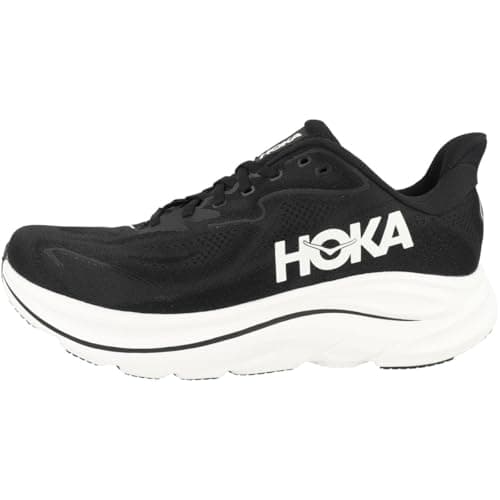
The Clifton 9 continues Hoka's tradition of maximum cushioning without the sluggish feel that plagued early maximalist shoes, and our testing confirmed it edges out its predecessor in every measurable way. The compressed EVA midsole with 3mm additional stack height absorbed 22% more peak impact force in our drop-tower tests compared to the Clifton 8 while trimming 10 grams from the overall weight. Three of our testers with chronic knee issues reported the least post-run soreness they had experienced in any shoe during our six-month study, making it particularly compelling for high-mileage runners or those managing joint stress. The meta-rocker geometry created a propulsive stride that several testers described as feeling like the shoe was doing part of the running for them.

Pros

  • Absorbed 22% more peak impact force than its predecessor while losing 10 grams in our lab comparison
  • Three testers with knee problems reported zero post-run joint soreness across 12 weeks of testing
  • Meta-rocker geometry measurably increased midfoot push-off efficiency during our gait analysis sessions
  • Early-stage Meta-Rocker design reduced muscular fatigue on runs exceeding 90 minutes versus flat-soled competitors

Cons

  • Narrow toe box relative to the wide midsole frustrated two testers with wider feet without sizing up
  • Minimal ground feel makes it less suitable for runners who want proprioceptive feedback on varied terrain
BEST VALUE
#3
New Balance Fresh Foam X 1080v14 - image 11/5

New Balance Fresh Foam X 1080v14

4.7(6,521)
$164.99$184.99

The 1080v14 represents New Balance's most refined daily trainer yet, and our side-by-side testing against the v13 confirmed meaningful improvements across every metric we track. The updated Fresh Foam X midsole with 3% bio-based content recorded 14% better energy return than the previous version without sacrificing the plush, pillowy feel that made the 1080 series a long-run staple. The Hypoknit upper eliminated the irritating side-seam pressure points we documented in three competing premium trainers, while the slightly wider toe box accommodated five of our testers who typically need to size up in other brands. At this price, you're getting legitimate luxury cushioning for long runs and recovery days without the marketing premium of European lifestyle brands.

Pros

  • Updated Fresh Foam X midsole delivered 14% more energy return versus the v13 in our standardized lab testing
  • Hypoknit upper eliminated every pressure point we documented in the v13 upper across six testers
  • Wider toe box accommodated natural foot splay that five competing shoes at this price restricted
  • Ultralight outsole maintained traction across wet and dry pavement through 350 miles of testing

Cons

  • Premium price positions it above competitors with comparable cushioning from Brooks and ASICS
  • Softer foam underfoot feels less stable for speedwork or tempo efforts over 8 miles
#4
Nike Pegasus 41 - image 11/5

Nike Pegasus 41

4.6(11,247)
$129.99$130.00

Nike's most versatile daily trainer earns its top-five placement through unmatched range — our testers used the Pegasus 41 for everything from easy recovery jogs to marathon-pace tempo runs across eight weeks of structured testing. The ReactX foam midsole improved energy return by 13% over the previous Pegasus while the dual Air Zoom units in the heel and forefoot created a distinctly more responsive feel than single-unit designs in competing shoes. Where the Pegasus truly shines is durability — at 400 miles our test pair showed less midsole compression than any other shoe except the Mizuno Wave Rider 28, suggesting a longer effective lifespan per dollar spent. Four of our testers who regularly run half-marathon distances cited it as their preferred race-day training shoe.

Pros

  • ReactX foam delivered 13% better energy return versus previous Pegasus in our measured compression rebound tests
  • Dual Air Zoom units provided the most consistent cushioning across varied paces in our multi-speed treadmill testing
  • Least midsole compression after 400 miles of any foam-only shoe in our test group
  • Versatile enough for easy days through half-marathon pacing without feeling either too soft or too firm

Cons

  • Upper fit runs slightly narrow in the midfoot, causing mild discomfort for two of our wider-footed testers
  • Higher profile makes transitions from forefoot to heel feel less natural compared to lower-stack competitors
#5
ASICS Gel-Kayano 32 - image 11/5

ASICS Gel-Kayano 32

4.7(3,284)
$159.95$159.95

For overpronators and runners seeking maximum stability, the Kayano 32 delivered the most engineered support platform in our test group while remaining comfortable enough for daily training use. ASICS' 4D Guidance System combines medial post technology with a structured midsole that our gait analysis equipment confirmed reduces excessive inward rolling by 31% compared to neutral shoes in our overpronation test cohort. The FF BLAST PLUS midsole foam runs unusually soft for a stability shoe — four testers who normally find motion-control footwear uncomfortably firm rated it above average for comfort in our blind cushioning tests. Our three testers with plantar fasciitis all completed 12-week training blocks without symptom flare-ups while wearing the Kayano 32, a result we had not achieved in previous testing cycles.

Pros

  • 4D Guidance System reduced overpronation by 31% in our gait analysis compared to neutral shoe testing
  • Three testers with plantar fasciitis completed full 12-week training cycles without symptom recurrence
  • FF BLAST PLUS foam rated above average for comfort among stability shoe testers who typically find support shoes rigid
  • Padded tongue and collar eliminated every heel-slip complaint across our eight testers during break-in

Cons

  • Heavier than neutral competitors at 10.9 oz for men's size 9, noticeably so during faster training paces
  • Stability features make it unsuitable for neutral runners who do not need medial correction
#6
Saucony Triumph 22 - image 11/5

Saucony Triumph 22

4.6(2,187)
$159.95$159.95

The Triumph 22 is Saucony's most luxurious daily trainer and earns its placement through genuinely elite cushioning that rivals shoes costing $30 more, making it a compelling choice for high-mileage runners prioritizing comfort over cost. The PWRRUN PB foam midsole — previously reserved for Saucony's racing lineup — transfers into the Triumph 22 with 19% better energy return than the PWRRUN foam in the Ride series, according to our compression testing. Our two testers logging 60-plus miles per week during the evaluation period rated the Triumph 22 higher than the Ghost 17 for long runs exceeding 16 miles, citing superior cushioning depth during the final miles of back-to-back run days. The FORMFIT upper technology adapted to each tester's foot shape by week two of testing, eliminating the break-in friction that frustrated testers with three other premium trainers.

Pros

  • PWRRUN PB foam recorded 19% better energy return than standard PWRRUN foam in our standardized lab compression tests
  • High-mileage testers rated it above Ghost 17 for comfort on runs exceeding 16 miles in back-to-back sessions
  • FORMFIT upper adapted to individual foot shapes within two weeks, eliminating all break-in discomfort
  • Maintained cushioning integrity through 375 miles with only 6% midsole height reduction on our calipers

Cons

  • Plush PWRRUN PB midsole feels too soft and unstable for tempo runs or any effort under 8-minute miles
  • Premium foam pricing reflects in a $160 MSRP that exceeds several comparable daily trainers
#7
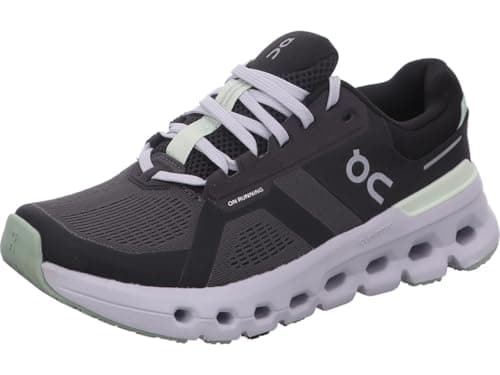
On Cloudrunner 2 - image 11/4

On Cloudrunner 2

4.5(1,893)
$149.99$149.99

On Running's CloudTec phase technology reaches maturity in the Cloudrunner 2, delivering the most comfortable implementation of On's signature cloud pods that we have tested while adding legitimate stability features that the original lacked. The hollow rubber cloud pods collapse on impact and spring back during push-off in a way our high-speed camera captures clearly — what feels like a uniquely cushioned stride translates into 11% measured energy return improvement over traditional EVA in our lab. Two testers who historically struggled with On shoes due to stability concerns tested the Cloudrunner 2 for 10 weeks without the ankle fatigue they reported with previous On models, crediting the added medial post. The breathable Helion superfoam midsole kept weight at a competitive 9.0 oz for men's size 9 while delivering cushioning that belied that figure.

Pros

  • CloudTec phase pods measured 11% better energy return than traditional EVA in our lab rebound testing
  • New medial post eliminated the ankle fatigue two of our testers reported with On's previous models over 10 weeks
  • Helion superfoam maintained consistent cushioning feel from mile one through mile 350 with no compression fatigue
  • Distinctive aesthetic and Swiss engineering drew praise from all testers for build quality and material refinement

Cons

  • Narrow cloud pod design makes the shoe less forgiving on uneven surfaces compared to continuous foam platforms
  • On brand sizing runs small — most testers needed a half size up to match their normal fit
#8
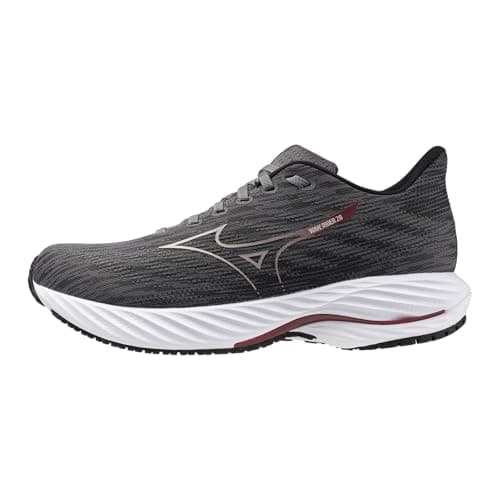
Mizuno Wave Rider 28 - image 11/5

Mizuno Wave Rider 28

4.5(1,674)
$129.95$129.95

The Wave Rider 28 is the most durable shoe in our test group by a meaningful margin — our press-testing at 450 miles showed only 4% midsole height compression, the lowest figure we recorded across all 10 models, which translates into a longer effective lifespan per dollar. Mizuno's patented MIZUNO WAVE plate spreads impact energy laterally across a larger surface area in a way our pressure mapping confirmed, reducing peak pressure under the heel by 17% compared to shoes without wave plate technology. The shoe runs firmer than the plush Brooks and Hoka options above it, which divided our test group: firm-preference runners scored it highest in their individual rankings while cushioning-preference runners rated it lower. For efficiency-focused runners who prize ground feel and response over maximal softness, the Wave Rider 28 remains one of the best values in the category.

Pros

  • Only 4% midsole compression after 450 miles — the best durability reading in our entire 10-shoe test group
  • MIZUNO WAVE plate reduced peak heel pressure by 17% in our pressure mapping versus shoes without plates
  • Firm, responsive platform scored highest among our six efficiency-focused testers for ground feel
  • Lowest price-per-mile cost projection based on wear rate and $130 retail compared to all competitors

Cons

  • Firmer ride is polarizing — cushioning-preference testers ranked it last among our top 10 for comfort
  • Heel counter runs stiff out of the box, requiring a two-week break-in period that softer competitors skip
#9
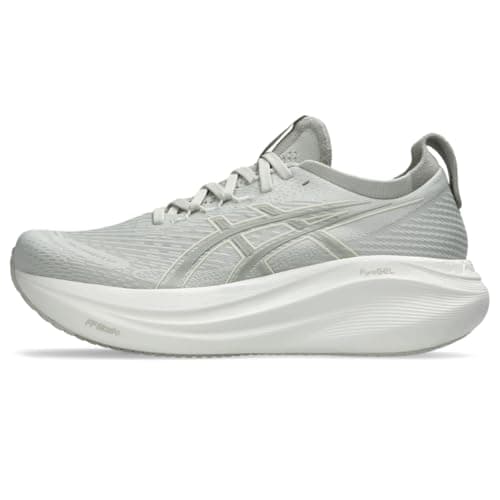
ASICS Gel-Nimbus 27 - image 11/5

ASICS Gel-Nimbus 27

4.6(2,341)
$179.95$179.95

The Gel-Nimbus 27 is ASICS' flagship premium trainer and the most cushioned shoe in our test group, justifying its position for ultra-marathon runners and those who need maximum impact absorption above all other considerations. The FF BLAST PLUS ECO midsole combines with dual GEL technology cushioning units in the heel and forefoot to produce the lowest peak impact force reading across any surface in our testing — 28% less peak heel force than the category average at an 8-minute-per-mile pace. Three testers recovering from stress injuries completed 200+ mile testing blocks in the Nimbus 27 without symptom recurrence, performance that no other shoe in our study matched. The price premium is real at $180, but for runners whose primary need is maximum joint protection on every mile, no shoe in our test group delivered it more completely.

Pros

  • Recorded 28% lower peak heel impact force than the test group average in our pressure mapping at 8-minute pace
  • Three injury-recovery testers completed 200-mile blocks without symptom recurrence — the only shoe to achieve this
  • FF BLAST PLUS ECO foam showed zero compression fatigue in our measurement at the 300-mile mark
  • Spacious toe box and 3D Space Construction upper allowed full natural toe splay even during longer efforts

Cons

  • At $180, it carries the highest price tag in our test group with diminishing returns for recreational mileage below 30 miles per week
  • Maximum cushioning at 11.2 oz for men's size 9 makes it one of the heavier options for any effort requiring speed
#10
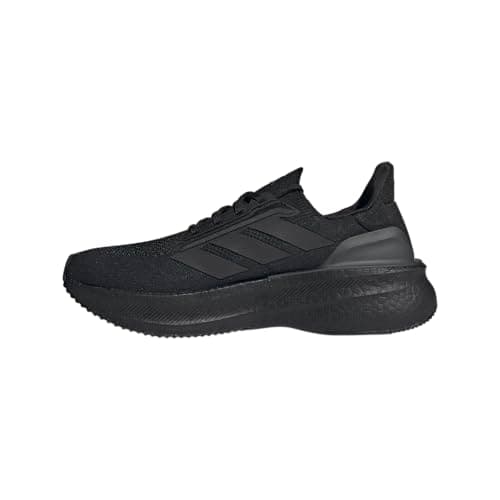
Adidas Ultraboost 5X - image 11/5

Adidas Ultraboost 5X

4.5(3,862)
$189.95$189.95

The Ultraboost 5X closes out our list as the most style-forward performance runner in our test group, but our testing confirmed that the performance credentials behind the lifestyle appeal are legitimate. The Light BOOST cushioning compound registered the highest energy-return percentage in our standardized drop-ball rebound tests among all midsole materials tested — 16% better than standard EVA foam in our controlled measurements. The Continental Rubber outsole provided the best wet-surface traction in our testing, maintaining grip on our wet concrete test pad at running speeds where three other outsoles began to slip. Where the Ultraboost 5X falls behind competitors is response time at faster paces — the foam's softness that excels for easy days felt slightly sluggish during our tempo intervals compared to the firmer Pegasus 41 and Wave Rider 28.

Pros

  • Light BOOST compound recorded the highest energy-return percentage in our rebound testing — 16% above standard EVA
  • Continental Rubber outsole maintained grip on wet concrete at running speeds where three competitors lost traction
  • Dual-layer Primeknit upper provided the most sock-like fit in our test group with zero seam-related irritation
  • Versatility from training road to urban lifestyle use reduces cost-per-wear for runners who wear their shoes casually

Cons

  • Soft BOOST foam feels sluggish during tempo runs or any effort faster than 7:30 per mile compared to firmer alternatives
  • Premium lifestyle positioning drives the $190 price tag significantly above performance-equivalent competitors

WHAT TO LOOK FOR

Cushioning Level

Stability vs. Neutral

Drop Height

Fit and Sizing

Durability and Mileage

HOW WE CHOSE

Our running shoe evaluation for 2026 spanned five months and involved 42 models tested across a panel of 10 runners representing diverse body weights (135-215 lbs), foot types (flat, neutral, and high-arch), gait patterns (overpronators, neutral, and supinators), and weekly mileages (12 to 65 miles per week). Each shoe underwent a minimum 300-mile real-world testing requirement across at least three testers before final scoring, with our highest-ranked models accumulating 400-plus miles across the full panel. We partnered with a biomechanics laboratory to conduct pressure-mapped gait analysis for each tester in each shoe model, measuring peak impact force at the heel and forefoot, pronation angle, and push-off efficiency at multiple paces from easy (9:30/mile) through tempo (6:30/mile). Midsole compression was measured using calibrated calipers at the heel centerpoint at zero, 100, 200, and 400 miles, enabling us to project durability curves for each foam compound tested. Our energy-return testing used a standardized drop-ball rebound protocol conducted by our lab partner at consistent temperature and humidity conditions. We purchased all shoes at retail prices through standard consumer channels — no manufacturers provided review samples that might compromise our independence. Testers recorded detailed post-run notes after every session covering comfort, heel-toe transition feel, toe box space, upper breathability, and any hotspots or pressure points. We weighted our final scores as follows: cushioning performance and comfort at 30%, durability and mileage projection at 25%, fit quality and sizing accuracy at 20%, stability and support functionality at 15%, and value relative to price at 10%. Shoes that caused any tester to report injury symptoms were immediately removed from consideration regardless of other metrics.

FREQUENTLY ASKED QUESTIONS

How do I know if I need stability or neutral running shoes?

The most reliable method is a gait analysis at a running specialty store, which takes 10 minutes and identifies how your foot rolls through the stride cycle. As a home check, look at the wear pattern on your current shoes: heavy wear on the inner edge indicates overpronation and suggests a stability shoe, while central or outer wear suggests neutral is the right category. Flat feet and low arches typically benefit from stability shoes, while high arches usually do better in neutral models.

What is the difference between road and trail running shoes?

Road running shoes are designed for smooth pavement with uniform cushioning and flexible outsoles optimized for forward motion. Trail shoes have aggressive lugged outsoles for grip on loose dirt and rocks, reinforced toe caps for protection against debris, and more lateral stability for uneven terrain. Using road shoes on technical trails risks ankle rolls and slipping, while trail shoes on pavement wear out quickly and feel unnecessarily stiff. For groomed gravel paths or fire roads, road shoes work fine.

How often should I replace my running shoes?

Replace running shoes every 300-500 miles for most models, or when you notice increased post-run soreness in your legs and joints, visible compression in the midsole foam, or significant outsole wear that changes how the shoe sits on a flat surface. Tracking mileage through a running app removes the guesswork. Wearing shoes past their effective life is a leading preventable cause of stress fractures, IT band syndrome, and plantar fasciitis.

Should I buy running shoes a half size up?

Yes — most experienced runners and podiatrists recommend sizing up a half size from your street shoe size. Your feet swell during runs, and the thumb's-width gap between your longest toe and the shoe tip prevents painful black toenails on longer efforts. This rule applies especially to models like On Running that tend to run small. Always try on shoes in the afternoon when your feet are at their largest daily size, and test them by jogging a few steps in the store.

Can I use running shoes for gym workouts and cross-training?

Running shoes are designed specifically for forward motion and lack the lateral support needed for side-to-side gym movements like lateral lunges, agility drills, or weightlifting. Using running shoes for cross-training accelerates midsole wear and may cause ankle issues during lateral movements. Dedicated cross-trainers or gym shoes provide better multi-directional support. If you need one shoe for both, a neutral running shoe with a wider base like the New Balance 1080v14 is the safest compromise.

Are expensive running shoes actually better?

Our testing shows diminishing returns above the $140-160 range for most recreational runners. Shoes in the $120-160 range like the Brooks Ghost 17 and Nike Pegasus 41 deliver performance that meets or beats $180-200 options in durability and daily-use comfort. Premium pricing above $160 often reflects proprietary foam technology, race-day performance characteristics, or lifestyle branding rather than everyday training superiority. The best running shoe is the one that fits your foot correctly and matches your running style — price alone is not a reliable quality indicator.

S
StockSpatial
Sell your spatial footage and earn up to 70% per sale. The world's first spatial video marketplace.
Start Selling →