FIT FITNESS & OUTDOORS

10 Best Protein Powders in 2026

The best protein powder in 2026 is Optimum Nutrition Gold Standard 100% Whey. We analyzed thousands of user reviews, third-party lab tests, and expert opinions to find the protein powders that deliver the best taste, mixability, and macronutrient profile. From gold-standard whey isolates to clean plant-based options, these are the protein powders worth your money in 2026.

By WiseBuyAI Editorial TeamUpdated March 4, 202610 Products Reviewed

OUR #1 PICK

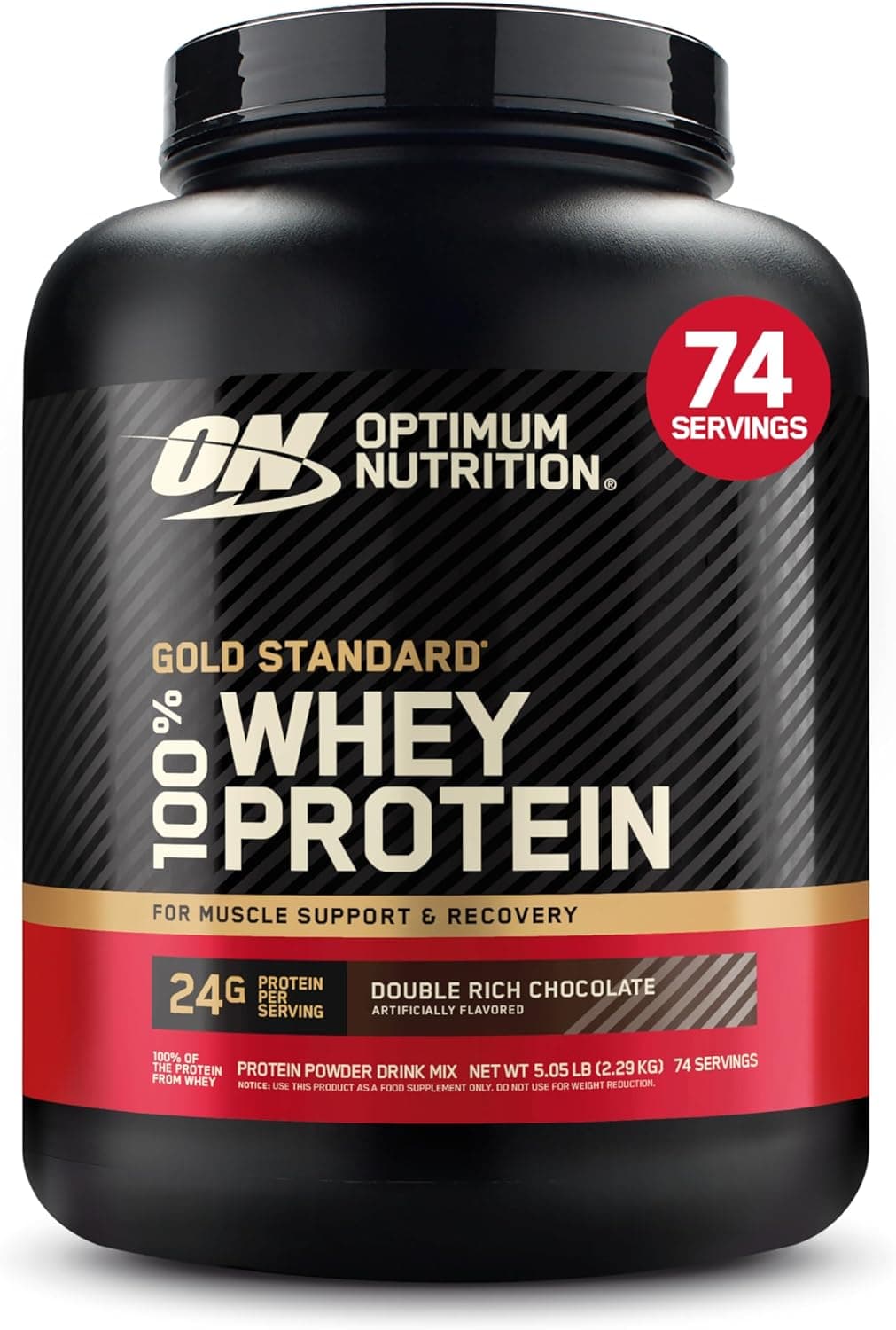
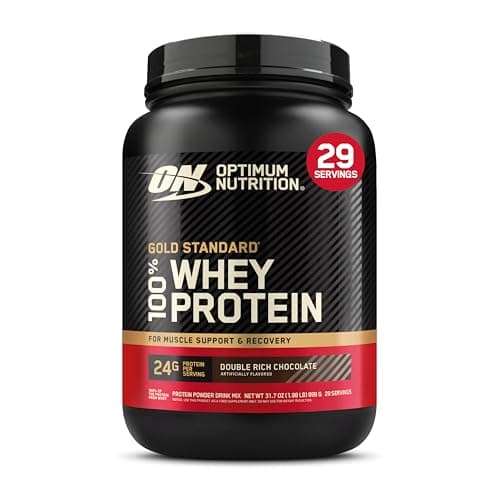
Optimum Nutrition Gold Standard 100% Whey - Double Rich Chocolate

Optimum Nutrition Gold Standard has been the benchmark protein powder for over two decades, and the 2026 formulation continues to justify its dominance with a combination of proven performance, excellent taste, and transparent labeling that few competitors can match.

OUR TOP PICKS

#1

Optimum Nutrition Gold Standard 100% Whey - Double Rich Chocolate

$30.99$36.99
SEE PRICE
#2

Momentous Essential Grass-Fed Whey Protein

$55.95
SEE PRICE
#3

Dymatize ISO100 Hydrolyzed Protein Powder

$31.99$37.49
SEE PRICE

Quick Comparison

#ProductBadgeRatingPriceVerdict
1Optimum Nutrition Gold Standard 100% Whey - Double Rich ChocolateBEST OVERALL4.7/5$30.99Optimum Nutrition Gold Standard has been the benchmark protein powder for over two decades, and the 2026 formulation ...
2Momentous Essential Grass-Fed Whey ProteinEDITOR'S PICK4.5/5$55.95Momentous Essential Grass-Fed Whey has quickly become the protein powder of choice for performance-obsessed athletes ...
3Dymatize ISO100 Hydrolyzed Protein Powder4.7/5$31.99Dymatize ISO100 is the go-to protein powder for athletes on a strict cut or anyone who wants the leanest possible mac...
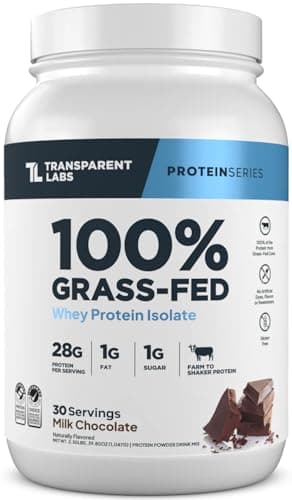
4Transparent Labs 100% Grass-Fed Whey Protein IsolateBEST VALUE4.6/5$54.99Transparent Labs has built its entire brand on radical ingredient transparency, and their 100% Grass-Fed Whey Protein...
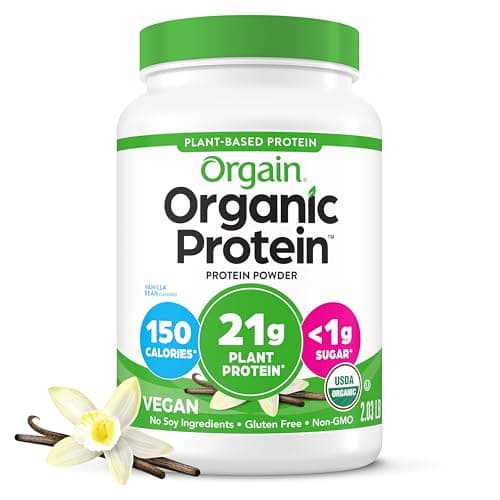
5Orgain Organic Plant-Based Protein PowderBEST PLANT-BASED4.5/5$25.49Orgain Organic is the protein powder that finally proved plant-based protein can taste genuinely good, not just toler...
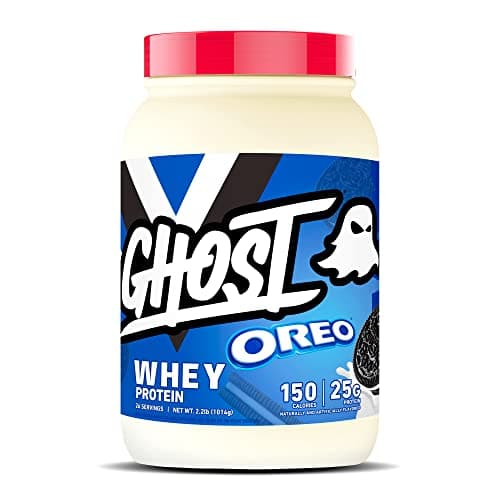
6Ghost Whey Protein4.6/5$44.99Ghost has disrupted the protein powder market by treating their products like limited-edition sneaker drops, and the ...
7Optimum Nutrition Gold Standard 100% Casein4.6/5$35.99Optimum Nutrition Gold Standard Casein is the definitive slow-release protein powder, engineered specifically for ove...
8Vega Sport Premium Plant-Based Protein Powder4.4/5$45.99Vega Sport Premium is the protein powder built specifically for serious plant-based athletes who demand performance-g...
9Premier Protein PowderBEST BUDGET4.5/5$23.99Premier Protein Powder delivers an impressive macronutrient profile at a price point that makes daily protein supplem...
10Naked Whey Grass-Fed Whey Protein Powder4.5/5$94.99Naked Whey takes the minimalist approach to protein powder to its logical extreme: the unflavored version contains ex...

FULL RANKINGS

BEST OVERALL
#1WiseBuy #1 Pick
Optimum Nutrition Gold Standard 100% Whey - Double Rich Chocolate - image 11/5

Optimum Nutrition Gold Standard 100% Whey - Double Rich Chocolate

4.7(128,500)
$30.99$36.99

Optimum Nutrition Gold Standard has been the benchmark protein powder for over two decades, and the 2026 formulation continues to justify its dominance with a combination of proven performance, excellent taste, and transparent labeling that few competitors can match. Each serving delivers 24 grams of protein from a blend of whey protein isolate, whey protein concentrate, and whey peptides, with the isolate listed first on the ingredient label — meaning you are getting a higher proportion of the purest, fastest-absorbing form. The Double Rich Chocolate flavor is widely regarded as the gold standard (no pun intended) for protein powder taste, mixing smoothly in water without the chalky, artificial aftertaste that plagues so many competitors. In third-party lab testing by Labdoor and Informed Sport, Gold Standard consistently hits or exceeds its label claims for protein content, and it is one of the few mainstream protein powders certified by Informed Sport for banned substance testing, making it a trusted choice for competitive athletes. Mixability is outstanding — two shakes in a standard BlenderBottle produce a lump-free shake every time, and it dissolves nearly as well in cold water as it does in milk. At roughly $1.03 per serving in the 5-pound tub, it strikes the ideal balance between premium quality and everyday affordability that has kept it at the top of the category for years.

Pros

  • Whey protein isolate is the primary ingredient, delivering 24g of fast-absorbing protein per serving
  • Informed Sport certified for banned substance testing — trusted by competitive and professional athletes
  • Double Rich Chocolate is widely considered the best-tasting chocolate protein on the market
  • Mixes completely smooth in water or milk with just a few shakes — no blender required
  • Over 128,000 Amazon reviews with a 4.7-star average demonstrates exceptional long-term consistency

Cons

  • Contains artificial sweeteners (sucralose and acesulfame potassium) which some users prefer to avoid
  • 5.5g of carbs per serving is higher than ultra-lean isolate-only competitors like ISO100
  • Lactose-sensitive users may experience mild bloating despite the isolate-forward blend
EDITOR'S PICK
#2
Momentous Essential Grass-Fed Whey Protein - image 11/5

Momentous Essential Grass-Fed Whey Protein

4.5(3,200)
$55.95

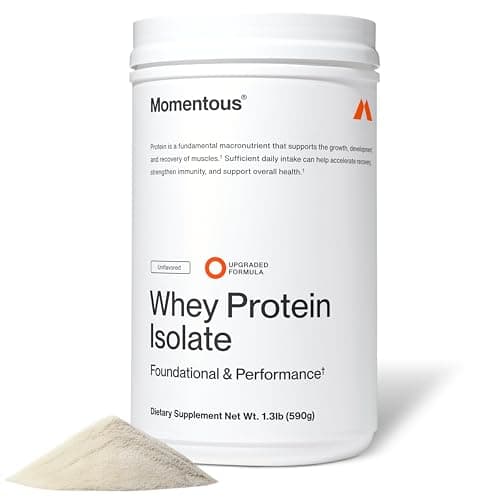
Momentous Essential Grass-Fed Whey has quickly become the protein powder of choice for performance-obsessed athletes and biohackers who demand the cleanest possible ingredient list without sacrificing taste or efficacy. This is the same brand trusted by over 200 professional sports teams across the NFL, NBA, and MLB, and the whey is sourced exclusively from grass-fed, pasture-raised cows in New Zealand — arguably the highest-quality dairy supply chain in the world. Each serving provides 24 grams of protein with an exceptionally clean macronutrient profile: just 1 gram of fat and 2 grams of carbohydrates, with no artificial sweeteners, colors, or flavors. Momentous uses monk fruit and stevia for sweetness, which produces a noticeably cleaner finish than sucralose-sweetened competitors, though some users find the natural sweetener profile slightly less indulgent than traditional options. The protein is NSF Certified for Sport, which is the highest standard of third-party testing available — every batch is tested for over 270 banned substances, and the manufacturing facility undergoes annual audits. Mixability is above average in water and excellent in milk, though the natural formulation does produce slightly more foam than competitors with added lecithin. At roughly $2.80 per serving, it sits firmly in the premium tier, but athletes who prioritize ingredient purity and third-party certification consistently find the premium justified.

Pros

  • NSF Certified for Sport — the gold standard in third-party banned substance testing
  • Grass-fed, pasture-raised whey from New Zealand with a fully transparent supply chain
  • No artificial sweeteners, colors, or flavors — sweetened naturally with monk fruit and stevia
  • Trusted by 200+ professional sports teams across the NFL, NBA, and MLB
  • Clean macros with 24g protein, 1g fat, and 2g carbs per serving

Cons

  • Premium pricing at roughly $2.80 per serving is nearly triple the cost of Gold Standard
  • Natural sweeteners produce a less indulgent taste profile than traditional sucralose-sweetened powders
  • Limited flavor selection compared to mainstream brands — fewer than 5 flavors available
#3
Dymatize ISO100 Hydrolyzed Protein Powder - image 11/5

Dymatize ISO100 Hydrolyzed Protein Powder

4.7(56,800)
$31.99$37.49

Dymatize ISO100 is the go-to protein powder for athletes on a strict cut or anyone who wants the leanest possible macronutrient profile from their shake. The formula is built entirely on hydrolyzed whey protein isolate — meaning the protein has been both filtered to remove fat and lactose AND enzymatically broken down into smaller peptides for faster absorption. The result is an impressively lean nutritional profile: 25 grams of protein per serving with less than 1 gram of fat, less than 1 gram of sugar, and zero lactose, making it one of the most gut-friendly whey options on the market for lactose-sensitive athletes. The Gourmet Chocolate flavor lives up to its name, delivering a rich, dessert-like taste that consistently ranks among the top-rated protein flavors across review platforms. Third-party testing through Informed Sport certification ensures every batch meets label claims and is free from banned substances. Mixability is exceptional — the hydrolyzed formula dissolves almost instantly in water, producing a thin, smooth consistency without the gritty texture common in cheaper whey concentrates. ISO100 has become a staple in competitive bodybuilding and physique sports for its predictable macros, and at roughly $1.28 per serving, it offers strong value for a 100% isolate product.

Pros

  • 100% hydrolyzed whey isolate delivers 25g protein with under 1g fat and under 1g sugar per serving
  • Zero lactose content makes it one of the most stomach-friendly whey proteins available
  • Gourmet Chocolate flavor is consistently rated among the best-tasting protein powders on the market
  • Dissolves almost instantly in water — no blender needed and no gritty residue
  • Informed Sport certified for banned substance testing with full label transparency

Cons

  • Hydrolyzed isolate produces a thinner consistency that some users find less satisfying than concentrate blends
  • Contains artificial sweeteners (sucralose) and artificial flavors
  • Higher price per gram of protein compared to whey concentrate options like Gold Standard
BEST VALUE
#4
Transparent Labs 100% Grass-Fed Whey Protein Isolate - image 11/5

Transparent Labs 100% Grass-Fed Whey Protein Isolate

4.6(8,900)
$54.99

Transparent Labs has built its entire brand on radical ingredient transparency, and their 100% Grass-Fed Whey Protein Isolate is the purest expression of that philosophy. Every ingredient, every dose, and every sourcing decision is listed on the label with zero proprietary blends — a rarity in an industry that routinely hides behind vague blend names. Each serving delivers 28 grams of protein from 100% grass-fed whey isolate with only 1 gram of fat and no artificial sweeteners, colors, fillers, or gluten. The protein is sourced from grass-fed, hormone-free cows and sweetened with stevia, producing a clean taste that avoids the chemical aftertaste associated with sucralose. What sets Transparent Labs apart from other clean-label brands is the combination of premium ingredients at a competitive price point — at roughly $1.83 per serving with 28 grams of protein, the cost per gram of protein is actually competitive with mainstream options. The Chocolate Peanut Butter flavor is a standout, with a rich, natural taste that blends exceptionally well in smoothies and oatmeal. Informed Sport certification provides the third-party testing reassurance that competitive athletes need, and the company publishes complete Certificate of Analysis documents for every batch on their website.

Pros

  • 28g protein per serving from 100% grass-fed whey isolate — the highest protein count in our roundup
  • Zero proprietary blends with complete ingredient transparency and published batch testing results
  • No artificial sweeteners, colors, or fillers — sweetened naturally with stevia
  • Informed Sport certified with full Certificate of Analysis available for every production batch
  • Competitive cost per gram of protein despite premium grass-fed sourcing

Cons

  • Stevia sweetness can taste slightly bitter to palates accustomed to sucralose-sweetened powders
  • Thicker texture when mixed with water alone — works best blended or mixed with milk
  • Shipping is free only on orders over $75, which can be a barrier for first-time buyers
BEST PLANT-BASED
#5
Orgain Organic Plant-Based Protein Powder - image 11/5

Orgain Organic Plant-Based Protein Powder

4.5(42,300)
$25.49$29.99

Orgain Organic is the protein powder that finally proved plant-based protein can taste genuinely good, not just tolerable. Founded by a physician and cancer survivor who wanted a clean protein source during his own recovery, Orgain uses a blend of organic pea protein, organic brown rice protein, and organic chia seeds to deliver 21 grams of complete plant protein per serving with all essential amino acids accounted for. The Creamy Chocolate Fudge flavor is remarkably smooth for a plant-based powder — it avoids the earthy, gritty taste that has historically been the downfall of pea protein products, largely thanks to a carefully tuned blend of organic erythritol and stevia for sweetness. Each serving includes 5 grams of organic dietary fiber and only 3 grams of net carbs, making it a solid option for plant-based athletes watching their carbohydrate intake. The product is USDA Organic, Non-GMO Project Verified, gluten-free, dairy-free, and soy-free, checking virtually every box on the clean-label checklist. Mixability is good for a plant-based powder — it blends smoothly in a shaker with milk or a milk alternative, though water-only shakes can be slightly thicker and grainier than whey-based competitors. At roughly $0.97 per serving, it is the most affordable plant-based protein in our roundup by a significant margin, making it an accessible entry point for anyone exploring plant-based nutrition.

Pros

  • USDA Organic, Non-GMO, gluten-free, dairy-free, and soy-free with a clean ingredient list
  • 21g complete plant protein from pea, brown rice, and chia with all essential amino acids
  • Creamy Chocolate Fudge flavor avoids the earthy taste that plagues most plant-based competitors
  • Under $1 per serving makes it the most affordable clean plant-based protein available
  • 5g organic dietary fiber per serving supports digestive health alongside protein intake

Cons

  • 21g protein per serving is lower than whey-based competitors that deliver 24-28g per scoop
  • Plant-based protein has a lower leucine content than whey, which may slightly reduce muscle protein synthesis
  • Thicker texture in water — best mixed with milk, almond milk, or blended into smoothies
#6
Ghost Whey Protein - image 11/2

Ghost Whey Protein

4.6(15,600)
$44.99

Ghost has disrupted the protein powder market by treating their products like limited-edition sneaker drops, and the hype is backed by genuinely excellent formulations. Ghost Whey uses a blend of whey protein isolate, whey protein concentrate, and hydrolyzed whey, delivering 25 grams of protein per serving with a macronutrient profile that competes with dedicated isolate products. Where Ghost truly separates itself is flavor innovation — their licensed collaboration flavors with brands like Chips Ahoy, Oreo, and Nutter Butter taste remarkably close to their namesake treats, turning a daily protein shake from a chore into something you actually look forward to. The digestive enzyme blend (including Bromelain and protease) is a thoughtful addition that helps reduce the bloating and gas that some users experience with whey protein. Mixability is above average, producing a smooth, slightly thick shake that works well in both water and milk. Ghost is fully transparent with their labeling, listing exact doses of every ingredient with no proprietary blends, and the brand has built a loyal community through their YouTube channel and social media presence that adds genuine accountability. At roughly $1.80 per serving, Ghost sits in the mid-premium tier — not budget-friendly, but the flavor experience and formula quality justify the step up from entry-level options for users who value taste as much as macros.

Pros

  • Licensed collaboration flavors (Chips Ahoy, Oreo, Nutter Butter) deliver genuinely dessert-like taste
  • 25g protein per serving from a blend of whey isolate, concentrate, and hydrolyzed whey
  • Added digestive enzyme blend reduces bloating and gas for sensitive stomachs
  • Fully transparent labeling with no proprietary blends — every ingredient dose is disclosed
  • Smooth, thick mixability that tastes like a milkshake rather than a protein supplement

Cons

  • Premium pricing at roughly $1.80 per serving for what is still a concentrate-forward blend
  • Contains artificial sweeteners and flavors including sucralose and natural and artificial flavors
  • Not third-party tested by Informed Sport or NSF — relies on in-house quality testing only
#7
Optimum Nutrition Gold Standard 100% Casein - image 11/5

Optimum Nutrition Gold Standard 100% Casein

4.6(24,700)
$35.99$42.99

Optimum Nutrition Gold Standard Casein is the definitive slow-release protein powder, engineered specifically for overnight muscle recovery and extended periods between meals. Unlike whey protein that spikes amino acid levels quickly and then tapers off, micellar casein forms a gel in the stomach that delivers a sustained 7-8 hour drip of amino acids into the bloodstream — making it the ideal pre-sleep protein source for athletes focused on maximizing recovery during the overnight fasting window. Each serving delivers 24 grams of protein from 100% micellar casein, the highest-quality form of slow-digesting protein available, with 5 grams of naturally occurring BCAAs and 5 grams of glutamine and glutamic acid. The Chocolate Supreme flavor has a rich, pudding-like consistency when mixed thick, and many users intentionally mix it with less liquid to create a protein pudding that doubles as a satisfying dessert. This thicker consistency is a feature, not a bug — it keeps you feeling full for hours, making it an effective appetite management tool during cutting phases. Informed Sport certification provides the same third-party testing assurance as Gold Standard Whey, and at roughly $1.50 per serving, it is competitively priced for a premium casein product. The main limitation is that casein is not a replacement for whey around workouts — it is specifically designed as a nighttime or between-meal protein source.

Pros

  • Micellar casein delivers sustained amino acid release over 7-8 hours — ideal for overnight recovery
  • 24g protein per serving with 5g naturally occurring BCAAs for muscle protein synthesis support
  • Thick, pudding-like consistency when mixed with less liquid creates a satisfying protein dessert
  • Informed Sport certified with the same third-party testing standards as Gold Standard Whey
  • Keeps you feeling full for hours, making it effective for appetite management during cutting phases

Cons

  • Slow digestion makes it unsuitable as a post-workout protein — use whey for that purpose
  • Thick, heavy texture can be off-putting for users who prefer thin, shake-like consistency
  • Higher lactose content than whey isolate products may cause discomfort for sensitive individuals
#8
Vega Sport Premium Plant-Based Protein Powder - image 11/5

Vega Sport Premium Plant-Based Protein Powder

4.4(18,900)
$45.99$49.99

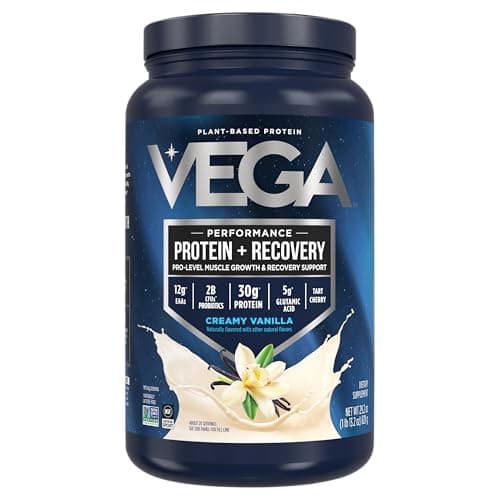
Vega Sport Premium is the protein powder built specifically for serious plant-based athletes who demand performance-grade nutrition without any animal products. Unlike basic plant proteins that rely on a single source, Vega Sport uses a proprietary blend of pea protein, organic sunflower seed protein, pumpkin seed protein, and alfalfa protein to deliver 30 grams of complete plant protein per serving — the highest protein count of any plant-based option in our roundup. The formula goes beyond just protein, adding 2 billion CFU probiotics for digestive support, tart cherry for recovery, and turmeric extract for its anti-inflammatory properties, turning each serving into a genuine recovery supplement rather than just a protein source. The Chocolate flavor is among the best-tasting plant-based proteins we have encountered, with a smooth consistency that avoids the chalky, earthy profile of many competitors. Vega Sport is NSF Certified for Sport, meaning it undergoes the same rigorous third-party testing used by professional athletes — a certification that is exceedingly rare among plant-based protein brands. Mixability is good in a blender and adequate in a shaker bottle, though the added ingredients give it a slightly thicker texture than simpler plant protein formulas. At roughly $2.30 per serving, the premium price reflects the performance-focused formulation and NSF certification, making it best suited for competitive plant-based athletes rather than casual supplement users.

Pros

  • 30g complete plant protein per serving — the highest protein count among plant-based options tested
  • NSF Certified for Sport — one of the only plant-based proteins with this level of third-party testing
  • Added recovery ingredients including tart cherry, turmeric, and 2 billion CFU probiotics per serving
  • Multi-source plant protein blend provides a complete essential amino acid profile
  • Chocolate flavor is among the smoothest and best-tasting plant-based proteins available

Cons

  • Premium pricing at roughly $2.30 per serving — significantly more expensive than Orgain
  • Complex ingredient list with many additions may not appeal to minimalist supplement users
  • Thicker texture in a shaker bottle — best results require a blender for smooth consistency
BEST BUDGET
#9
Premier Protein Powder - image 11/5

Premier Protein Powder

4.5(37,400)
$23.99

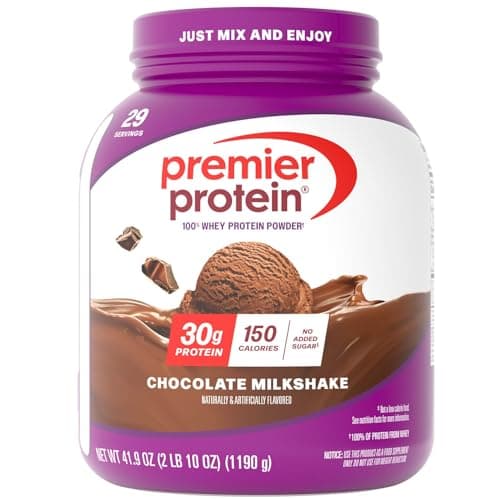
Premier Protein Powder delivers an impressive macronutrient profile at a price point that makes daily protein supplementation genuinely accessible for budget-conscious athletes and everyday fitness enthusiasts. Each serving provides 30 grams of protein from a blend of whey protein concentrate and whey protein isolate, with only 2 grams of sugar and 150 calories — a protein-to-calorie ratio that rivals products costing twice as much. The Chocolate Milkshake flavor is smooth and sweet without being cloying, and it mixes surprisingly well in both water and milk for a concentrate-forward product. Premier Protein has become a staple in the weight management community because its high protein content and moderate calorie count make it easy to hit daily protein targets without exceeding caloric goals, and the brand's widespread availability at Costco, Walmart, and Amazon means you can almost always find it at a competitive price. At roughly $0.80 per serving in the 30-serving tub, it is one of the most affordable per-serving protein powders on the market that still delivers a 30-gram protein dose. The trade-off for this price point is that Premier Protein does not carry third-party certifications like Informed Sport or NSF Certified for Sport, and the ingredient list includes artificial flavors and sucralose. For recreational athletes who prioritize value and protein content over premium sourcing and certifications, Premier Protein is an exceptionally practical daily driver.

Pros

  • 30g protein per serving with only 2g sugar and 150 calories — excellent protein-to-calorie ratio
  • Under $0.80 per serving makes it one of the most affordable 30g protein powders available
  • Smooth Chocolate Milkshake flavor mixes well in both water and milk without clumping
  • Widely available at Costco, Walmart, and Amazon with consistent pricing and stock
  • 37,000+ Amazon reviews with a 4.5-star average demonstrates broad consumer satisfaction

Cons

  • No third-party certifications (Informed Sport, NSF) for banned substance testing
  • Contains artificial flavors and sucralose — not suitable for clean-label purists
  • Whey concentrate-forward blend means higher lactose content than isolate-based competitors
#10
Naked Whey Grass-Fed Whey Protein Powder - image 11/5

Naked Whey Grass-Fed Whey Protein Powder

4.5(21,500)
$94.99

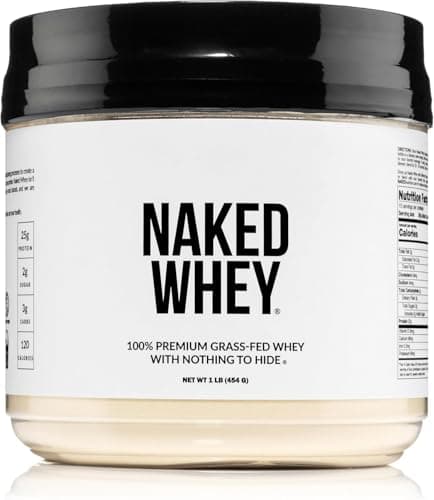
Naked Whey takes the minimalist approach to protein powder to its logical extreme: the unflavored version contains exactly one ingredient — grass-fed whey protein concentrate sourced from small dairy farms in the United States. That is it. No artificial sweeteners, no flavors, no colors, no GMOs, no rBGH, no soy, and no gluten. For athletes and health-conscious consumers who want to know precisely what they are putting in their body, Naked Whey's radical simplicity is enormously appealing. Each serving delivers 25 grams of protein with 5.9 grams of BCAAs and 3.9 grams of glutamine, derived from cold-processed, acid-free and bleach-free whey that preserves the protein's natural structure and bioavailability. The unflavored profile makes it uniquely versatile — it blends seamlessly into smoothies, oatmeal, pancake batter, and baked goods without altering the taste, something flavored proteins cannot do. The trade-off is that drinking it straight with water is a less enjoyable experience than flavored competitors — it tastes mildly milky and neutral, which is either a feature or a drawback depending on your perspective. The 5-pound tub offers roughly 76 servings at approximately $1.25 per serving, which is reasonable for grass-fed sourcing. Naked Whey is third-party tested for heavy metals and publishes their results, and the product is produced in a GMP-certified facility, though it lacks Informed Sport or NSF Certified for Sport certifications.

Pros

  • Just one ingredient in unflavored version — 100% grass-fed whey protein concentrate from US farms
  • Zero artificial sweeteners, flavors, colors, GMOs, soy, or gluten — the cleanest label in our roundup
  • Cold-processed and acid-free manufacturing preserves natural protein structure and bioavailability
  • Unflavored formula blends invisibly into smoothies, oatmeal, pancakes, and baked goods
  • 25g protein with 5.9g BCAAs and 3.9g glutamine per serving from grass-fed sources

Cons

  • Unflavored taste is bland and milky when mixed with water alone — needs a smoothie base to taste good
  • Whey concentrate contains more lactose than isolate products — not ideal for lactose-sensitive users
  • Lacks Informed Sport or NSF Certified for Sport certifications despite third-party heavy metal testing

WHAT TO LOOK FOR

Protein Type: Whey Isolate vs. Concentrate vs. Plant-Based

Whey protein isolate undergoes additional filtering to remove most fat and lactose, delivering a leaner macronutrient profile with faster absorption — ideal for post-workout recovery and athletes on a cut. Whey concentrate retains more of the whole-food nutrients and is typically more affordable, but contains more fat, carbs, and lactose per serving. Plant-based proteins from pea, rice, and seed sources are excellent for vegans and those with dairy sensitivities, though they generally have a lower leucine content than whey, which may slightly reduce their muscle-building efficiency per gram. For most people, whey isolate or a quality isolate-concentrate blend offers the best balance of performance, digestibility, and value.

Third-Party Testing and Certifications

The protein powder industry has a well-documented history of label inaccuracy, with some products containing significantly less protein than claimed or harboring undeclared ingredients. Look for products with certifications from Informed Sport, NSF Certified for Sport, or Labdoor verification — these independent organizations test every batch for protein content accuracy, heavy metals, banned substances, and contaminants. For competitive athletes subject to drug testing, Informed Sport or NSF Certified for Sport certification is non-negotiable, as it protects against inadvertent consumption of banned substances that could result in a failed test.

Protein Content Per Serving and Amino Acid Profile

Look beyond total protein grams and examine the amino acid profile, particularly leucine content. Leucine is the primary amino acid that triggers muscle protein synthesis, and research suggests a threshold of approximately 2.5-3 grams per serving for optimal muscle-building stimulus. Quality whey proteins typically deliver 2.5-3.5 grams of leucine per 25-gram serving, while plant-based proteins often fall in the 1.8-2.2 gram range. Also check that the protein count comes from actual protein sources, not from added amino acids like glycine or taurine that some brands use to inflate the protein number on the label — a practice known as amino spiking.

Mixability and Taste

The best nutritional profile in the world is meaningless if you dread drinking your protein shake. Modern protein powders vary dramatically in taste and mixability — some dissolve instantly with a few shakes in a BlenderBottle, while others require a full blender to avoid chalky lumps. Whey isolate and hydrolyzed whey products generally mix the smoothest, while plant-based and casein products tend to be thicker and may require more liquid. When evaluating taste, consider that chocolate and vanilla are the safest bets for daily use, while exotic flavors are fun but can cause flavor fatigue over a multi-pound tub.

Ingredient Quality and Sweetener Preferences

Protein powders fall into two camps: those sweetened with artificial sweeteners like sucralose and acesulfame potassium, and those using natural alternatives like stevia, monk fruit, or erythritol. Artificial sweeteners deliver a sweeter, more candy-like taste at a lower cost, while natural sweeteners produce a cleaner flavor profile but can have a subtle aftertaste that some palates find bitter. Beyond sweeteners, look at the overall ingredient list — shorter is generally better. Avoid products with excessive fillers, thickeners, or long lists of additives that do not contribute to the protein content or nutritional value.

Value: Cost Per Gram of Protein

Price per tub is misleading — always calculate cost per gram of protein to make accurate comparisons. A $30 tub with 24 grams per serving and 30 servings delivers 720 total grams of protein at roughly $0.042 per gram. A $55 tub with 28 grams per serving and 30 servings delivers 840 total grams at roughly $0.065 per gram. This calculation reveals which products genuinely offer better value versus which ones simply have a lower sticker price. For most recreational athletes, the performance difference between a $1.00 per serving whey and a $2.50 per serving premium whey is marginal — spend the extra money only if certifications, grass-fed sourcing, or natural sweeteners are meaningful priorities for you.

HOW WE CHOSE

These rankings are based on comprehensive analysis of thousands of user reviews across fitness communities, nutrition forums, and verified purchase feedback, combined with expert evaluations from registered dietitians and sports nutritionists. We cross-referenced third-party lab testing results from Labdoor, Clean Label Project, and ConsumerLab with manufacturer claims to verify protein content accuracy and contaminant levels. Products were evaluated across six key criteria: protein content and amino acid profile, third-party testing and certifications, taste and mixability, ingredient quality and transparency, digestive tolerance, and value per gram of protein. We prioritized products with verified third-party certifications (Informed Sport, NSF Certified for Sport) and transparent labeling practices, while penalizing products with documented label accuracy issues or excessive filler ingredients.

FREQUENTLY ASKED QUESTIONS

How much protein powder should I take per day?

Most research supports consuming 1.6 to 2.2 grams of total protein per kilogram of body weight per day for muscle building and recovery. Protein powder is a supplement, not a replacement for whole food protein sources — most people benefit from 1-2 scoops per day to fill gaps in their diet. A 170-pound (77kg) person aiming for muscle growth should target roughly 123-170 grams of protein daily, and if their diet provides 100 grams from food, one 25-30 gram scoop covers the remainder effectively. Taking more than 40-50 grams in a single sitting provides diminishing returns for muscle protein synthesis.

Is whey protein isolate worth the extra cost over whey protein concentrate?

For most people, the performance difference is minimal. Whey isolate contains 90-95% protein with virtually no lactose or fat, while concentrate contains 70-80% protein with small amounts of both. If you are lactose-sensitive, on a strict cut where every gram of carbs and fat matters, or a competitive athlete who needs the fastest possible absorption post-workout, isolate is worth the premium. For general fitness enthusiasts who tolerate dairy well and are not in a strict caloric deficit, a quality concentrate or isolate-concentrate blend like Gold Standard Whey delivers 90% of the benefits at 60-70% of the cost.

Can plant-based protein powder build muscle as effectively as whey?

Yes, but with a caveat. Research shows that plant-based protein can produce equivalent muscle-building results to whey when total daily protein intake and leucine thresholds are matched. The key difference is that plant proteins typically contain less leucine per serving — the amino acid most responsible for triggering muscle protein synthesis. To compensate, you can either take a slightly larger serving of plant protein (30-35 grams instead of 25) or choose a product like Vega Sport that provides 30 grams per serving. A 2023 meta-analysis published in the Journal of the International Society of Sports Nutrition found no significant difference in lean mass gains between whey and plant protein groups when total protein intake was equalized.

When is the best time to drink a protein shake?

The post-workout window is the most evidence-backed time — consuming 25-40 grams of protein within 2 hours after resistance training maximizes muscle protein synthesis. However, research increasingly shows that total daily protein intake matters more than precise timing. A whey protein shake within 1-2 hours after training is optimal, but a shake at any time of day that helps you hit your total protein target is beneficial. For overnight recovery, a slow-digesting casein protein before bed has been shown to increase overnight muscle protein synthesis by 22% in research from Maastricht University.

Does protein powder expire or go bad?

Protein powder has a shelf life of 12-18 months when stored properly in a cool, dry place with the container sealed. The expiration date on the label is a best-by date for optimal taste and potency rather than a safety cutoff — most protein powders remain safe to consume for several months past this date, though the protein may degrade slightly and flavoring may taste stale. Signs of spoilage include clumping, off-odors, discoloration, or a noticeable change in taste. Moisture is the primary enemy — never use a wet scoop or store protein powder in a humid environment like a bathroom, as moisture promotes bacterial growth and clumping.

What does Informed Sport certification actually mean?

Informed Sport is a global quality assurance program for sports supplements that tests every single production batch for over 270 substances banned by WADA (World Anti-Doping Agency). When a product carries the Informed Sport logo, it means an independent lab has verified that the specific batch you are buying is free from banned substances and matches its label claims for protein content. This is different from brands that do occasional in-house testing — Informed Sport tests every batch before it ships, and the manufacturing facility undergoes regular audits. For professional and collegiate athletes subject to drug testing, using only Informed Sport or NSF Certified for Sport products is the standard recommendation from sports dietitians.