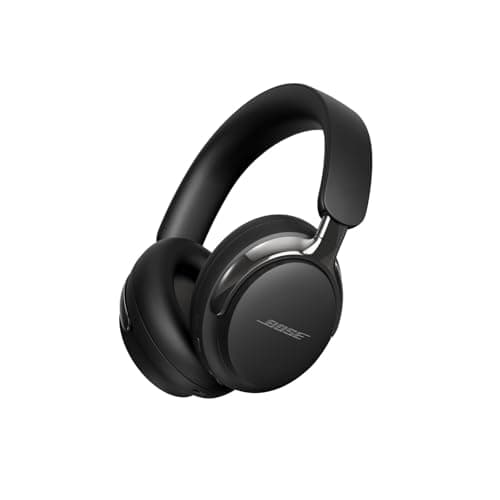
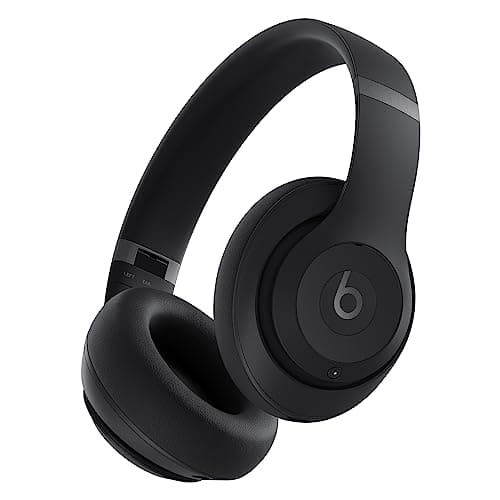
Not all active noise cancellation is created equal. Premium ANC systems use multiple microphones (typically 4-8) with both feedforward and feedback processing to analyze and counteract ambient noise in real time. The best systems excel at eliminating sustained low-frequency sounds like airplane engines and air conditioning but may let through sharp, sudden sounds like car horns. Look for adaptive ANC that automatically adjusts its intensity based on your environment, which saves battery compared to running at full power in quiet rooms. If you frequently fly or commute on public transport, prioritize headphones with top-tier ANC from Sony, Bose, or Apple. For office use and general daily noise reduction, mid-tier ANC from brands like JBL, Beats, and Edifier performs well enough that most listeners will be satisfied.
Noise cancellation matters, but you are buying headphones — sound quality should be a primary consideration. Look for support for high-resolution codecs like LDAC (Sony, Sennheiser, Anker) or aptX Adaptive (Sennheiser) if your source device supports them, as these deliver noticeably richer audio than standard SBC or AAC codecs. Pay attention to the overall tuning: some headphones emphasize bass for an exciting listen, while others aim for neutral accuracy that reveals more detail in recordings. The best approach is to match the sound signature to your primary music genres — bass-forward tuning suits hip-hop and electronic music, while neutral or slightly warm signatures serve acoustic, classical, and vocal-heavy music better. A companion app with EQ adjustments lets you fine-tune the sound after purchase.
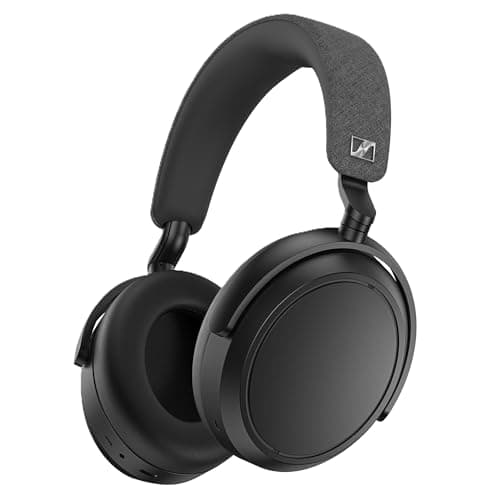
Battery life in noise-cancelling headphones ranges enormously — from 20 hours on the Apple AirPods Max to 60 hours on the Sennheiser Momentum 4. Always check the quoted battery life with ANC enabled rather than the inflated ANC-off figure, as you will almost certainly keep noise cancellation active. For frequent travelers, aim for at least 30 hours with ANC to comfortably cover long international flights with a safety margin. Quick charge capability matters more than many buyers realize: the ability to get 3-5 hours of playback from a 10-15 minute charge can save you when you forget to charge the night before. Also confirm whether the headphones include a 3.5mm wired option for continued listening when the battery dies — most premium models do.
Noise-cancelling headphones are designed to be worn for hours at a time, which makes comfort arguably as important as sound quality. Key factors include weight (lighter is better for extended wear), clamping force (too tight causes headaches, too loose lets in noise), and ear cushion material (protein leather seals well but retains heat, while mesh or fabric breathes better but may seal less effectively). Glasses wearers should pay particular attention to ear pad depth and softness, as firm, shallow pads create painful pressure points on temple arms over time. For build quality, metal frames and hinges last longer than all-plastic constructions, and models with replaceable ear pads — like the Sennheiser Momentum 4 — offer a significant longevity advantage since cushions inevitably wear out after 1-2 years of daily use.
Multipoint Bluetooth allows your headphones to maintain active connections to two devices simultaneously, automatically routing audio from whichever device is currently playing. This is essential for anyone who switches between a laptop and phone throughout the day, as it eliminates the tedious disconnect-reconnect cycle. Most premium headphones now support multipoint, but verify before buying, as some budget models still lack this feature. Other features worth evaluating include transparency or ambient modes (for hearing announcements without removing headphones), wear detection (auto-pause when you remove the headphones), and companion app quality for firmware updates and customization. Voice assistant integration varies, and Apple users benefit from the tight Siri integration on AirPods Max, while Sony and Bose headphones work well with all major assistants.
The noise-cancelling headphone market spans from under $80 to over $500, and the correlation between price and performance is not always linear. The sweet spot for most buyers falls in the $200-$350 range, where models like the Bose QC Headphones, Sony XM5, and Sennheiser Momentum 4 deliver premium ANC, excellent sound, and robust build quality. Below $150, the Anker Soundcore Space One and Edifier WH950NB prove that meaningful noise cancellation is accessible to budget-conscious buyers, though they make trade-offs in ANC strength and build materials. Above $400, the Apple AirPods Max and Bose QC Ultra offer marginal performance gains but target buyers who value ecosystem integration or specific premium features. Previous-generation flagships like the Sony XM4 often represent the best overall value, delivering 90% of current flagship performance at 50-60% of the cost.

 1/5
1/5