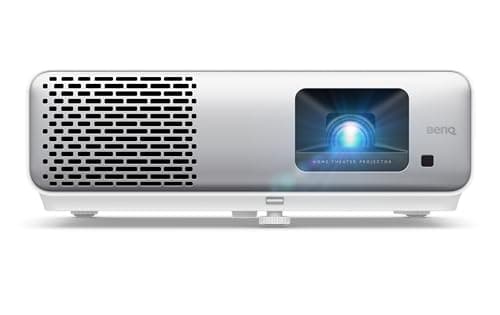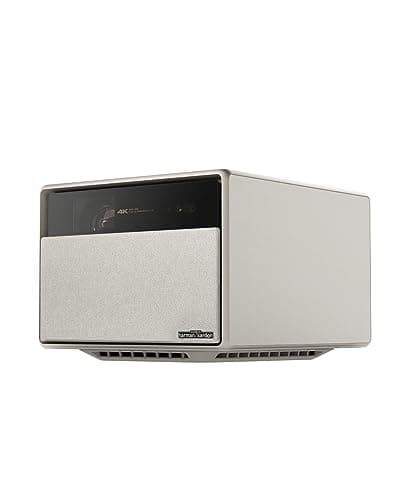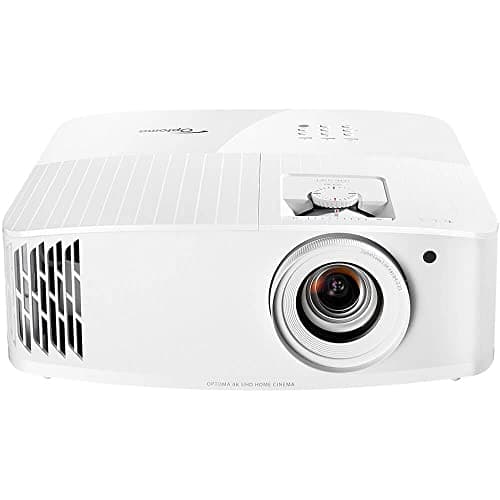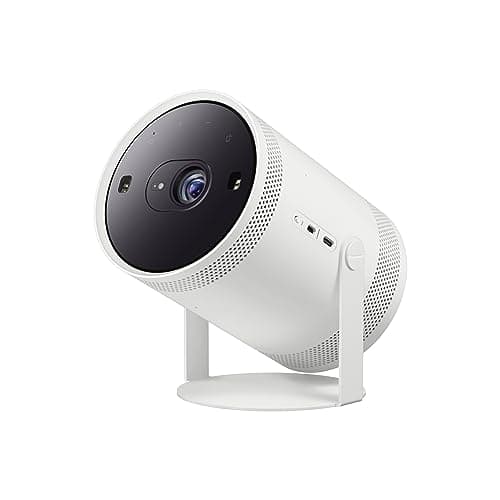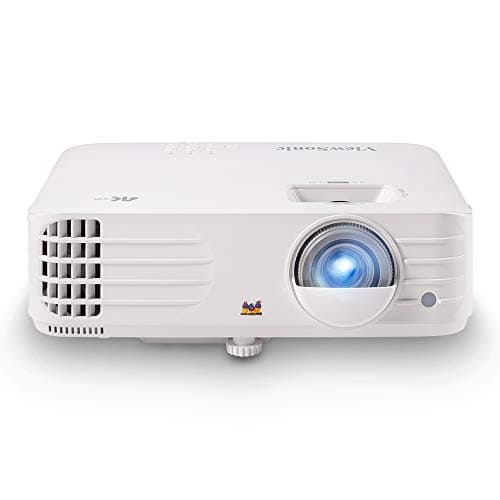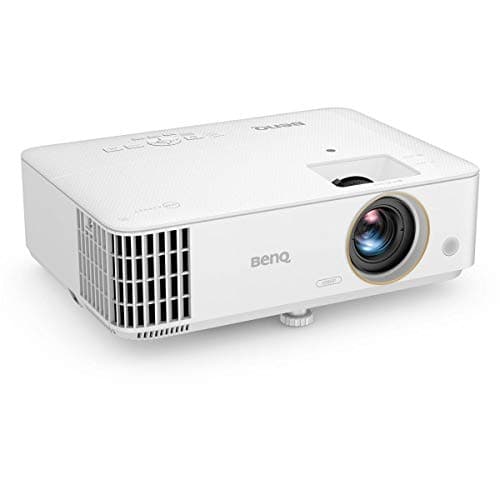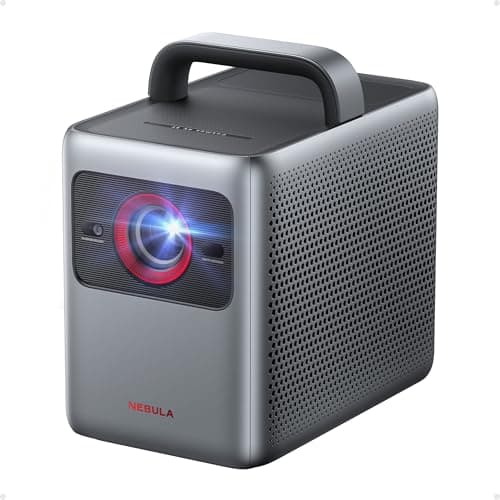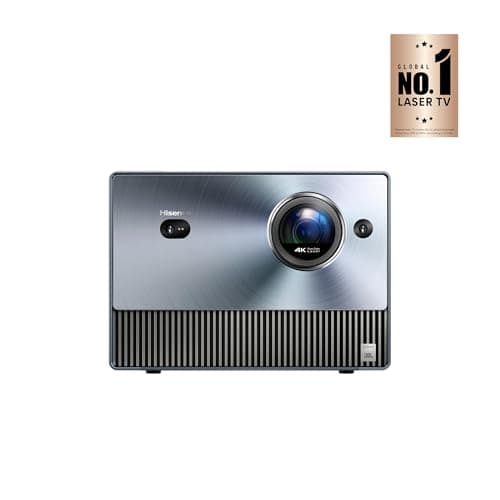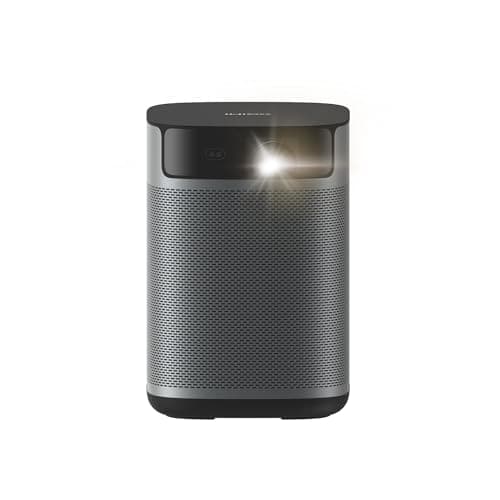
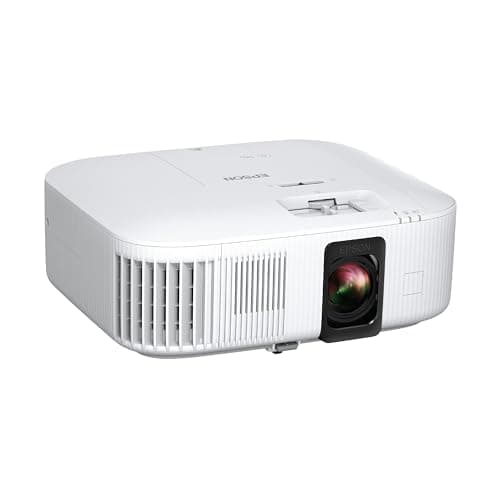
For screen sizes above 85 inches, projectors offer dramatically better value than TVs. A 100-inch projector image from a $800 model like the BenQ HT2060 would cost $5,000+ to replicate with an equivalent TV. However, TVs win on brightness, contrast (especially OLED), and ease of setup. If you have a light-controlled room and want a truly cinematic experience, a projector is the way to go. For a bright living room where you watch casual TV, a large-screen TV is more practical.
For a dedicated dark room, 1,500-2,000 lumens is sufficient and will produce excellent contrast. For a living room with some ambient light, aim for 2,500-3,000 lumens. For rooms where you cannot control lighting at all, you will want 3,500+ lumens — the BenQ TH575 at 3,800 lumens is our top pick for bright environments. Keep in mind that laser projectors maintain their brightness over time, while lamp-based models gradually dim.
For screen sizes under 100 inches at typical viewing distances (8-12 feet), most viewers cannot distinguish 4K from 1080p. The BenQ TH575 (1080p) looks excellent on screens up to 120 inches in real-world conditions. However, if you are projecting 120 inches or larger, sitting closer than 10 feet, or watching native 4K content, the difference becomes noticeable. For future-proofing, we recommend 4K if your budget allows, but 1080p remains a perfectly valid choice.
Laser projectors use solid-state light sources that last 20,000-30,000 hours, maintain consistent brightness over time, reach full brightness instantly, and never need bulb replacements. Lamp projectors are cheaper upfront but require bulb replacements every 3,000-5,000 hours at $100-$300 per bulb, and gradually dim over time. For most buyers today, we recommend laser when budget allows — the long-term savings on replacement bulbs and superior consistency justify the higher initial cost.
Absolutely, but input lag matters. For casual gaming, anything under 30ms is fine. For competitive multiplayer, look for sub-20ms input lag. The BenQ TH575 (16.7ms), Valerion VisionMaster Pro 2 (4ms at 240Hz), and XGIMI Horizon 20 (1ms) are the best gaming projectors on our list. Note that some projectors have a dedicated game mode that reduces lag by disabling image processing — always enable this for gaming.
A dedicated projection screen significantly improves image quality over a bare wall. Even a basic white screen ($50-$100) provides a smoother, more uniform surface. For bright rooms, an ambient-light-rejecting (ALR) screen ($300-$800) is transformative — it rejects overhead light while preserving projected light. For ultra-short-throw projectors like the Epson LS800, a matched ALR screen is almost essential for the best results. That said, a smooth white wall works fine for casual use and getting started.