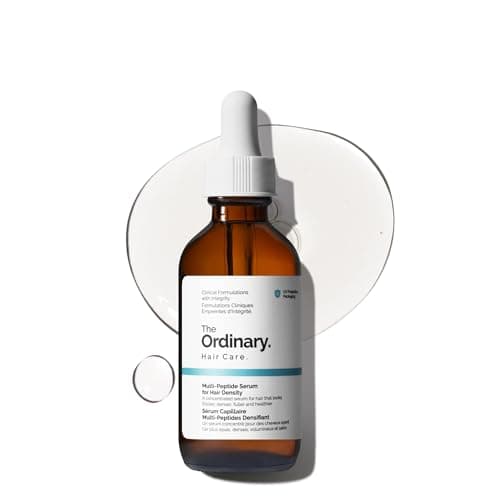
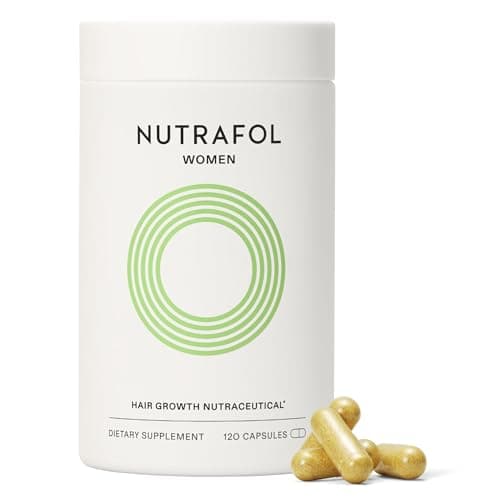
Hair growth products fall into three main categories, and understanding the differences is essential for choosing the right approach. Topical treatments like minoxidil and serums are applied directly to the scalp and work by stimulating follicles, improving blood flow, or blocking DHT at the site of application. Oral supplements like Nutrafol and Viviscal work from the inside out by providing nutrients that support the hair growth cycle systemically. Shampoo-based treatments like Nioxin and Ultrax Labs combine daily cleansing with active ingredient delivery but have shorter contact time with the scalp. Many dermatologists recommend combining approaches — for example, a supplement for nutritional support plus a topical serum for targeted follicular stimulation — for the most comprehensive results.
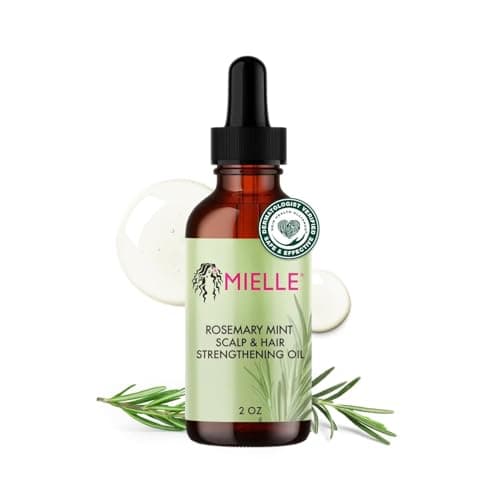
The hair growth market is crowded with unsubstantiated claims, which makes evaluating clinical evidence critical. Minoxidil is the only FDA-approved topical treatment for female pattern hair loss, backed by decades of randomized controlled trials. Supplements like Nutrafol and Viviscal have published peer-reviewed clinical studies demonstrating efficacy, though they are classified as dietary supplements rather than drugs and do not require FDA approval for marketing. Natural remedies like rosemary oil have emerging clinical support, including a notable 2015 study comparing it favorably to 2% minoxidil. Be skeptical of products that cite only in-vitro (lab dish) studies or brand-conducted research without independent peer review — laboratory results on isolated hair follicles do not always translate to real-world scalp application.
Effective treatment depends heavily on correctly identifying why your hair is thinning. Androgenetic alopecia (hereditary pattern thinning) responds best to DHT-blockers like minoxidil, saw palmetto, and ketoconazole. Telogen effluvium (stress or illness-related shedding) often resolves on its own but can be accelerated with nutritional supplements that support the regrowth cycle. Nutritional deficiency-related thinning responds specifically to correcting the underlying deficiency — iron, vitamin D, biotin, and zinc are the most common culprits. Hormonal thinning related to menopause, thyroid conditions, or PCOS may require medical intervention beyond over-the-counter products. If your hair loss is sudden, patchy, or accompanied by other symptoms, consult a dermatologist before self-treating with consumer products.
Hair grows approximately half an inch per month, which means any hair growth product requires patience to evaluate properly. Most supplements and topical treatments need 3-6 months of consistent daily use before visible results appear. Minoxidil users may experience temporary increased shedding in the first 2-4 weeks as dormant follicles cycle through, which can be alarming but is actually a sign the treatment is working. Products like Nioxin can create the appearance of thicker hair within 30 days through volumizing effects on existing strands, but genuine new growth takes longer. Set realistic expectations: no product will transform thin hair overnight, and the treatments with the strongest evidence all require ongoing commitment to maintain results.
Hair growth is a long-term commitment, so monthly cost matters more than one-time purchase price. At the premium end, Nutrafol at $88 per month and Vegamour at $52-62 per month represent significant annual investments of $1,056 and $624-744 respectively. Mid-range options like Viviscal at $34 per month and Rogaine at roughly $12 per month offer strong clinical evidence at more sustainable price points. Budget options like Mielle rosemary oil at $10 per bottle and Nature's Bounty at $15 per month prove that effective hair care does not require a luxury budget. Consider that some products like minoxidil require indefinite use to maintain results, making the lifetime cost calculation especially important.
Most hair growth products are well-tolerated, but understanding potential side effects helps you choose wisely. Minoxidil can cause scalp irritation, dryness, and in some cases unwanted facial hair growth — starting with the foam formulation rather than liquid reduces these risks. Supplements like Nutrafol and Viviscal are generally safe but may interact with blood thinners, thyroid medications, or hormonal contraceptives — check with your doctor if you take prescription medications. Biotin supplementation above 5,000mcg can interfere with certain lab tests including thyroid panels and troponin levels, so inform your doctor before blood work. Natural oils like rosemary and castor are the lowest-risk options but can cause contact dermatitis in individuals with plant allergies. Always patch test topical products on a small area of skin before full scalp application.

 1/5
1/5