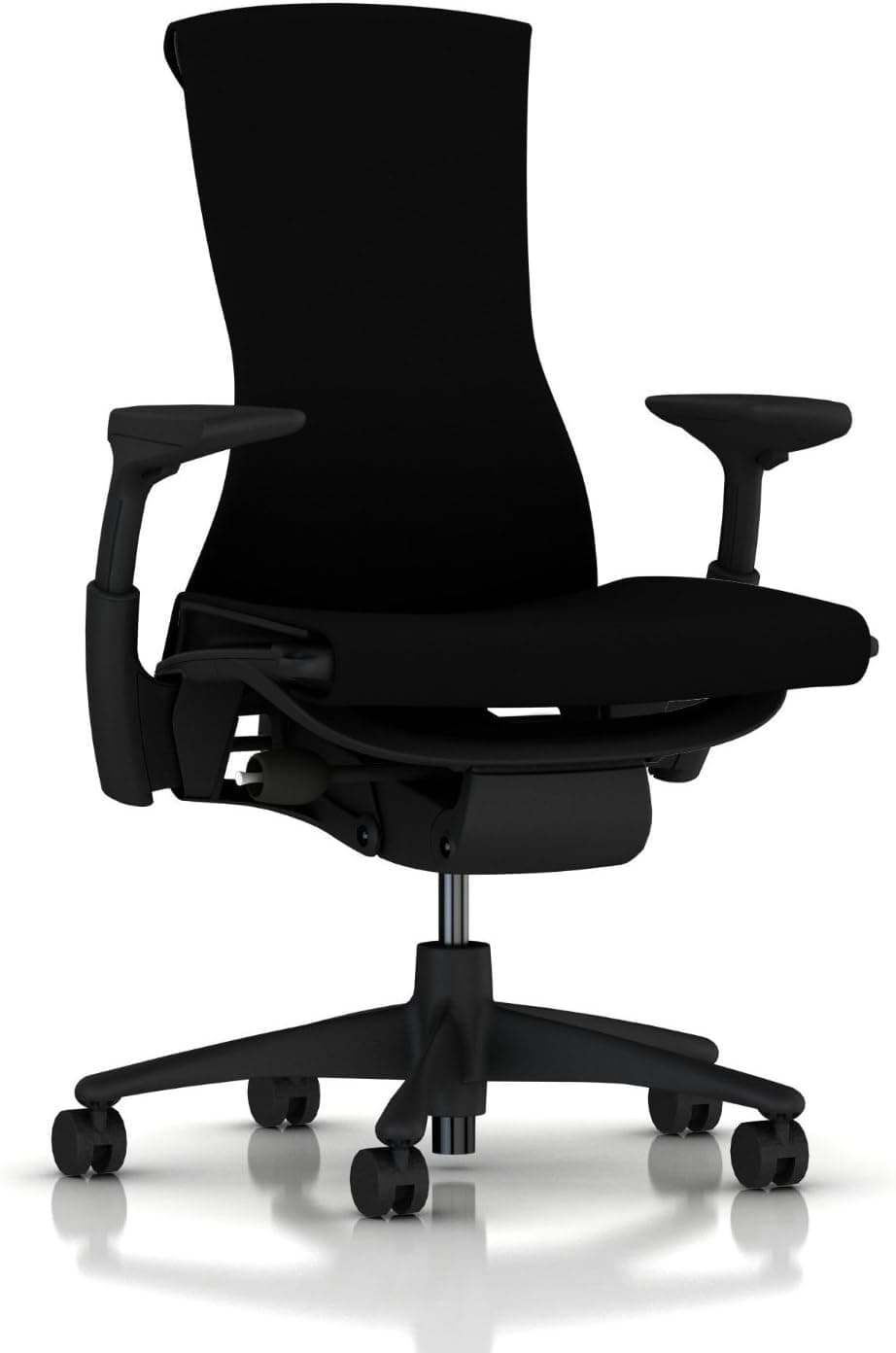
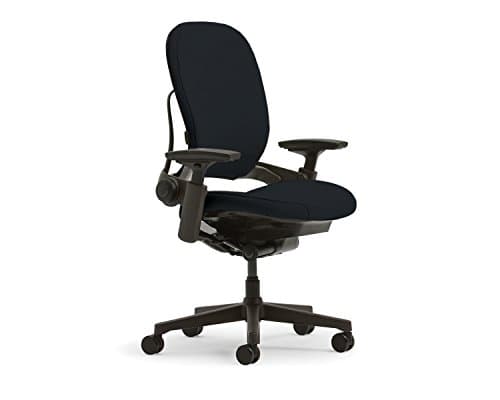
Both can work well, but they serve different priorities. Gaming chairs like the Secretlab Titan Evo and Razer Iskur V2 offer integrated lumbar systems, high recline angles, and aggressive styling designed for gaming setups. Ergonomic office chairs like the Herman Miller Embody and Steelcase Leap V2 focus on dynamic spinal support and proven ergonomic science. If you sit for 8+ hours daily mixing work and gaming, an ergonomic office chair will generally be better for your posture long-term. If you primarily game for 3-5 hour sessions and want a chair that looks and feels like it belongs at a battle station, a quality gaming chair is an excellent choice.
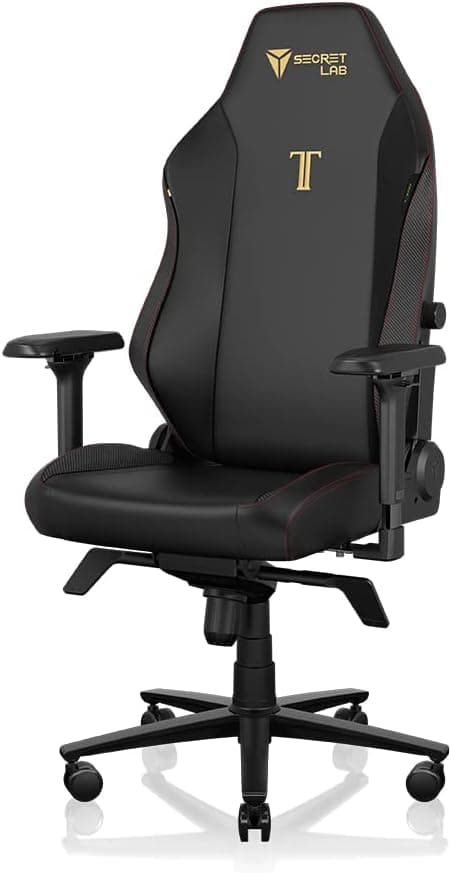
Yes, for most buyers. The Titan Evo's cold-cure foam, integrated 4-way lumbar support, and magnetic headrest represent a genuine step up in material quality and long-term durability over chairs in the $200-$350 range. Cheaper chairs tend to use standard foam that compresses within 1-2 years, external lumbar pillows that shift out of position, and lower-grade upholstery that peels or cracks. The Titan Evo's build is designed to maintain comfort and appearance for 3-5 years of daily use. If you plan to use your chair daily for years, the Titan Evo pays for itself in longevity.
Secretlab offers the Titan Evo in Small (under 5'6" and under 200 lbs), Regular (5'7"-6'2" and under 285 lbs), and XL (5'11"-6'9" and under 395 lbs). The Regular fits the widest range of body types and is the right choice for most people. If you are between sizes, Secretlab recommends sizing up. The most common mistake is choosing Small when Regular would be a better fit - the Small has a notably narrower seat that can feel restrictive for average-sized adults.
Budget gaming chairs ($100-$200) typically last 1-3 years before foam compression, upholstery peeling, or mechanical wear becomes noticeable. Mid-range chairs ($300-$500) from Secretlab, Corsair, Razer, and noblechairs generally last 3-5 years with proper care. Premium ergonomic chairs like the Herman Miller Embody and Steelcase Leap V2 are built to last 10-15 years and come with 12-year warranties to back that claim. The biggest factor in chair longevity is foam density - high-density cold-cure foam and molded foam retain their shape far longer than standard polyurethane foam.
4D armrests (height, width, depth, and angle adjustment) are one of the most underrated features in gaming chairs. Properly positioned armrests reduce strain on your shoulders, neck, and wrists by supporting your forearms at the correct height and angle while typing or using a mouse. If you game with keyboard and mouse, 4D armrests make a noticeable difference in upper-body comfort during extended sessions. Budget chairs with only height-adjustable armrests work but cannot be fine-tuned to your specific desk height and body position.
Absolutely. Modern gaming chairs from Secretlab, Corsair, Razer, and noblechairs provide ergonomic support that rivals many office chairs. The Corsair TC200 and noblechairs HERO, in particular, feature designs that look professional enough for video calls and office environments. However, if you work 8+ hours daily at a desk, you may want to consider the ergonomic office chairs on our list (Herman Miller Embody, Steelcase Leap V2, Autonomous ErgoChair Pro, or HON Ignition 2.0) as they are specifically engineered for prolonged seated work with dynamic support systems that adapt to frequent posture changes.

 1/5
1/5