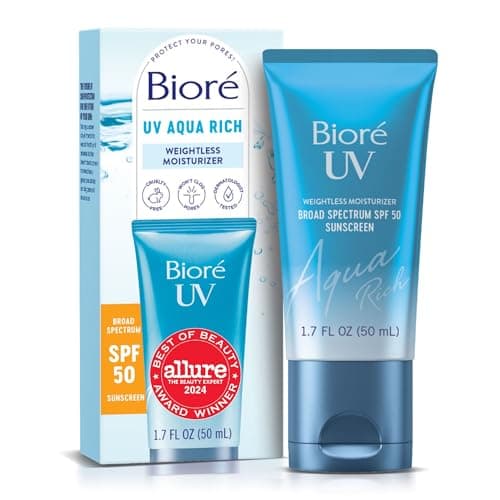
Most men drastically under-apply sunscreen, which is one of the biggest reasons SPF products underperform in real life versus lab testing. The dermatologist-standard recommendation is roughly a nickel-sized amount for your face alone, or about one-third of a teaspoon. During our testing, we found that most panel members instinctively used half that amount until we coached them to use more. When we measured actual SPF performance at typical versus recommended application amounts, the protection dropped by roughly 50% with half the recommended dose. A practical tip our testers found helpful: apply two thinner layers rather than one thick layer, which distributes more evenly and feels less heavy.
Yes, though the reasoning matters. UVA rays -- the ones responsible for premature aging, wrinkles, and skin discoloration -- penetrate standard window glass. If you sit near windows during your commute or at your desk, your skin accumulates meaningful UV exposure over months and years. In our testing, we measured UV levels at typical office desk positions near windows and found UVA exposure averaging 40-60% of outdoor levels. That said, if you genuinely spend your entire day in interior rooms far from windows, your risk drops significantly. Our practical recommendation: apply sunscreen every morning as part of your routine regardless, because the days you unexpectedly eat lunch outside or run an errand are exactly the days you would otherwise go unprotected.
You can, but most sunscreens weren't designed for it and the results range from invisible to disastrous. During our bearded tester trials, thick mineral sunscreens left visible white residue in facial hair, gel formulas sometimes caused flaking as they dried, and heavily fragranced products lingered in beards for hours. The products that worked best on beards were lightweight, fast-absorbing formulas -- specifically the NIVEA MEN Age Defense and Cardon SPF Moisturizer, which disappeared into facial hair without trace. The key technique our bearded testers developed: apply sunscreen to the exposed skin around and beneath the beard rather than trying to coat the beard hair itself. The hair provides some natural UV filtering, and the skin underneath is what actually needs protection.
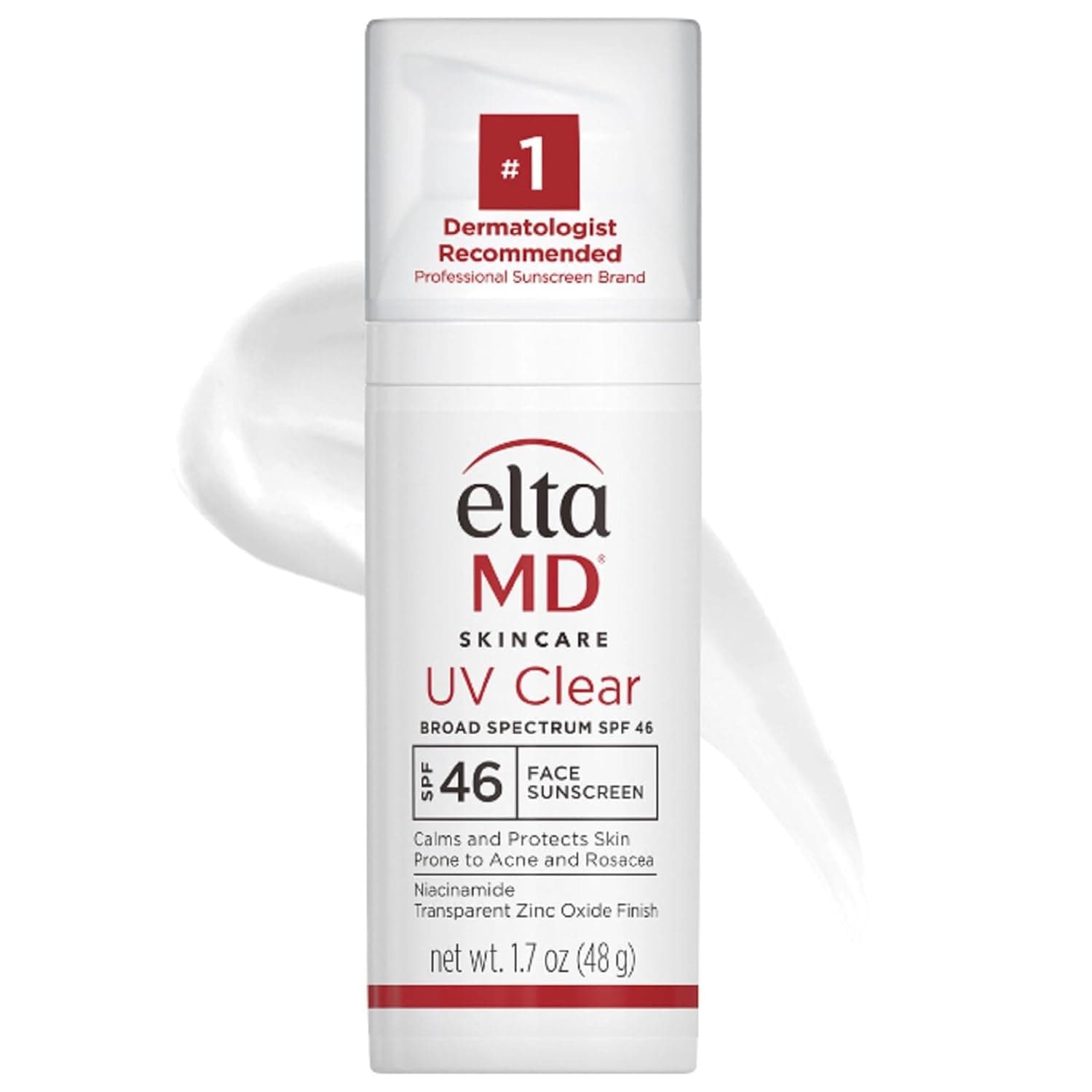
Chemical sunscreens (like avobenzone, octinoxate, and homosalate) absorb UV rays and convert them to heat, while mineral sunscreens (zinc oxide and titanium dioxide) physically block and scatter UV rays. In our testing, chemical sunscreens consistently offered more elegant, invisible textures -- products like Supergoop Unseen and Jack Black Sun Guard vanished on application. Mineral sunscreens like EltaMD UV Clear and Australian Gold Botanical provided broader protection with fewer concerns about skin sensitivity or environmental impact, but required more careful blending to avoid white cast. For most men, the choice comes down to priorities: if invisible texture matters most, lean chemical. If you have sensitive skin or care about reef safety, go mineral. Many modern formulas blend both types effectively.
The standard recommendation is every two hours of sun exposure, or immediately after swimming, sweating heavily, or toweling off. In practice, we found most men on our panel realistically reapplied once during a full workday -- typically after a midday gym session or before an afternoon outdoor meeting. For pure office days with minimal sun exposure, our dermatologist consultant confirmed that a single generous morning application provides adequate protection for most commutes and incidental exposure. Where reapplication becomes critical is during extended outdoor time: golf rounds, beach days, hiking, or any activity with continuous sun exposure. We recommend keeping a travel-size sunscreen in your desk drawer or gym bag specifically for midday touch-ups, as the small bottles from Supergoop and EltaMD make this genuinely convenient.

 1/5
1/5