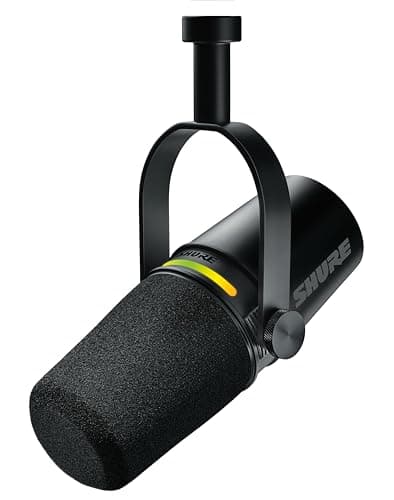
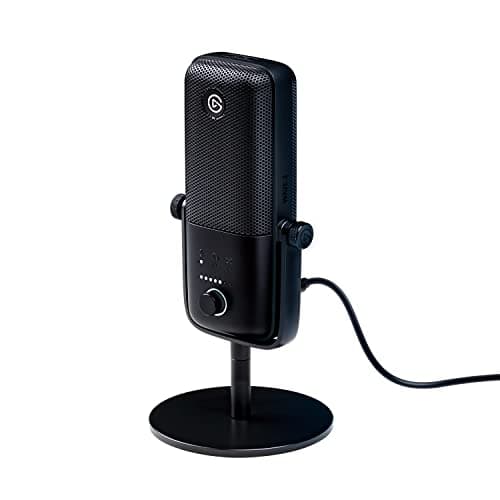
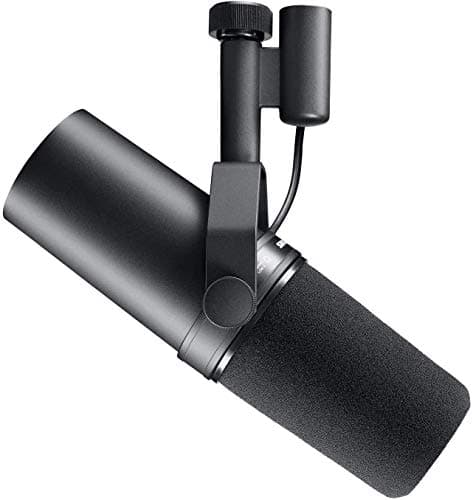
For beginners, USB microphones like the Shure MV7+ or RODE PodMic USB offer plug-and-play simplicity with excellent audio quality. You can start recording immediately without buying an audio interface. XLR microphones like the Shure SM7B offer superior audio quality and professional-grade flexibility, but require an audio interface ($100-300 additional investment), XLR cables, and more technical knowledge. The best middle ground is a hybrid USB/XLR microphone that lets you start simple and upgrade later without replacing your mic.
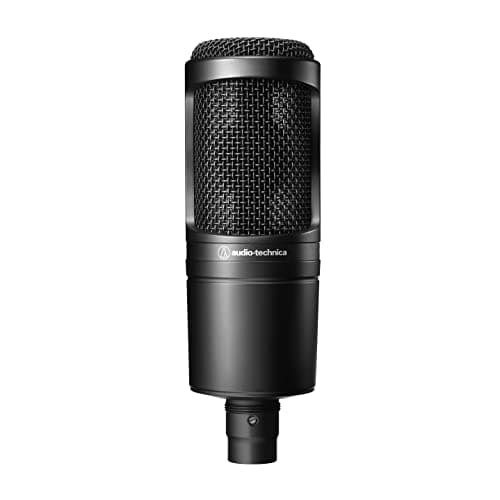
Dynamic microphones (like the SM7B, RE20, and PodMic) are less sensitive and primarily capture sound directly in front of them, naturally rejecting room noise, keyboard clicks, and echo. They're ideal for untreated home environments. Condenser microphones (like the AT2020 and RODE NT1) are more sensitive and capture greater detail and nuance, but they also pick up more background noise. Condensers excel in quiet, treated rooms for vocals, voiceover, and music. For most home podcasters and streamers, a dynamic microphone is the safer choice.
Yes, strongly recommended. Desktop mic stands transmit keyboard vibrations, mouse clicks, and desk bumps directly into your audio. A boom arm suspends the microphone in the air, isolating it from surface vibrations and letting you position it at the ideal 4-6 inch distance from your mouth. Good boom arms like the RODE PSA1+ ($100) or budget options from Innogear ($15-30) make a bigger difference in audio quality than spending extra on a more expensive microphone. Consider it an essential accessory, not an optional one.
Some dynamic microphones, particularly the Shure SM7B and Electro-Voice RE20, have very low output levels and require a lot of clean gain to reach proper recording levels. Budget audio interfaces often can't provide enough gain without introducing noise. A Cloudlifter CL-1 ($150) or similar inline preamp provides an additional 25dB of clean gain, solving this problem. Alternatively, you can buy an audio interface with high-gain preamps like the Focusrite Scarlett series or the RODE AI-1. The Shure SM7dB variant has a built-in preamp that eliminates this issue entirely.
For streaming, we recommend the Elgato Wave:3 if you want seamless integration with streaming software and Clipguard protection against audio clipping, or the Shure MV7+ if you want the best overall audio quality with smart auto-leveling. Dynamic microphones are generally preferred for streaming because they reject keyboard noise, mechanical switch clicks, and room echo that condenser mics would pick up. If budget is tight, the FIFINE AmpliGame AM8 at $60 delivers surprisingly good streaming audio with RGB lighting as a bonus.
Modern wireless systems like the DJI Mic 2 and RODE Wireless PRO have reached a level of audio quality that's genuinely suitable for professional video content, interviews, and on-location recording. The DJI Mic 2's 32-bit float internal recording means you'll never lose audio due to wireless dropouts, and the intelligent noise cancellation handles outdoor environments well. However, for studio podcasting and voiceover work, a wired USB or XLR microphone will still deliver noticeably better audio quality and reliability. Wireless is best for run-and-gun video production and mobile content creation.

 1/5
1/5