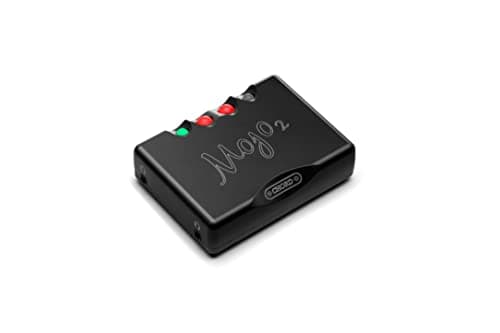
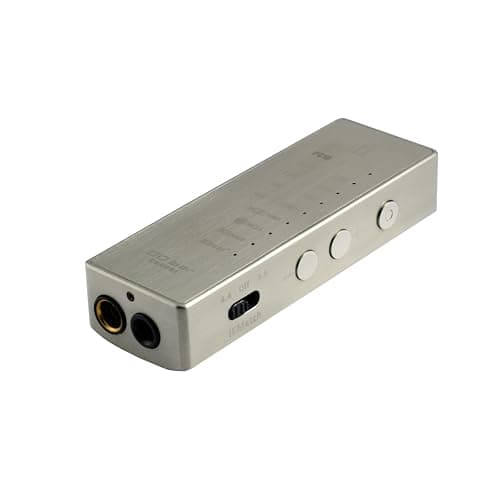
The DAC chip is the heart of any digital-to-analog converter, and different chips produce subtly different sound characteristics. ESS Sabre chips (found in Topping and SMSL products) tend toward analytical precision with outstanding measured performance, while Burr-Brown chips (used by iFi) lean warmer and more musical. AKM chips (in the FiiO K7) split the difference with a natural, slightly warm presentation. Chord takes a completely different approach with custom FPGA-based conversion. For most listeners, the differences between modern DAC chips are subtle rather than dramatic, and the implementation matters more than the chip itself. If you prioritize accuracy and flat response, look at ESS-based units. If you want a more forgiving, musical presentation, Burr-Brown and AKM implementations tend to deliver that character.
Some products on this list are DAC-only units (Schiit Modi 5, Topping D10s, SMSL DO200 MKII) that require a separate headphone amplifier, while others combine both functions (iFi Zen DAC 3, FiiO K7, Topping DX5 II, RME ADI-2 DAC FS). If you are building your first desktop audio setup and want simplicity, a DAC/amp combo is the most practical choice — you connect one device to your computer and plug your headphones directly in. If you already own a headphone amplifier or plan to feed powered speakers, a DAC-only unit often delivers better value because you are not paying for amplification you do not need. Separates also give you the flexibility to upgrade each component independently as your system evolves.
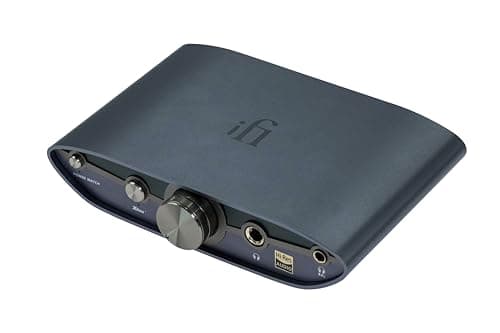
Desktop DACs (iFi Zen DAC 3, FiiO K7, Topping DX5 II) are designed to sit permanently on your desk, drawing power from a wall outlet or USB bus, and typically offer more connectivity, more power, and better build quality than portable options. Portable DACs (Chord Mojo 2, iFi hip-dac 3, iFi GO bar Kensei) run on battery or draw power from your phone and prioritize compact size and weight for use on the go. If you listen primarily at a desk, a desktop DAC will almost always deliver better performance per dollar. If you commute, travel, or want to upgrade your phone's audio output, a portable DAC unlocks a level of sound quality that no phone's built-in audio can match. Some listeners buy both — a desktop unit for home and a portable dongle for travel.
Many DACs on this list feature both balanced (4.4mm Pentaconn or XLR) and single-ended (3.5mm or RCA) outputs. Balanced connections carry the audio signal on two separate conductors with opposite polarity, which theoretically rejects interference and can deliver more power. In practice, the audible benefit of balanced connections depends on your headphones and cable lengths — for short desktop runs, the difference is often negligible, but balanced outputs do typically deliver more wattage, which helps drive demanding headphones. If you own or plan to purchase headphones with a balanced cable option, choosing a DAC with a 4.4mm or XLR balanced output gives you the flexibility to take advantage of the additional power. For casual listening with easy-to-drive headphones, single-ended connections are perfectly adequate.
Consider what sources you need to connect. USB is the most common input for computer audio and supports the highest sample rates. Optical (Toslink) and coaxial (S/PDIF) inputs let you connect game consoles, TVs, CD players, and network streamers. Bluetooth adds wireless convenience for phone audio, though it introduces lossy compression (LDAC is the highest quality Bluetooth codec, but still does not match a wired USB connection). More specialized inputs like I2S and AES/EBU (found on the SMSL DO200 MKII) cater to enthusiasts with high-end digital transports. Most listeners need USB plus one or two additional inputs. If you plan to connect multiple sources, check that the DAC offers enough inputs and supports easy switching between them.
DAC pricing spans from under $100 to well over $1,000, but the relationship between price and audible improvement is not linear. The biggest jump in sound quality happens when you move from a computer or phone's built-in audio to any dedicated DAC — even a $109 Topping D10s represents a dramatic upgrade. The $149 to $299 range is the sweet spot for most listeners, where products like the Schiit Modi 5, FiiO K7, iFi Zen DAC 3, and Topping DX5 II deliver genuinely excellent performance that satisfies the vast majority of ears. Above $500, products like the Chord Mojo 2 and RME ADI-2 DAC FS offer refinements in detail, features, and build quality, but the improvements become increasingly subtle. Spend your budget where it matters most to you — if you prioritize portability, invest in a better portable DAC rather than stretching for a desktop unit you will rarely use.

 1/5
1/5